

BLOG ARTICLE
Why HVAC Systems Fail During East Tennessee Heat Waves
Brandon Keen
East Tennessee heat waves can push HVAC systems to their limits. Learn the warning signs, common causes, and how to prevent costly breakdowns.
When temperatures spike across East Tennessee, HVAC systems work harder than almost any other appliance in your home. During severe heat waves, air conditioning systems often run for hours without shutting off, placing enormous stress on critical components.
If your air conditioner struggles during extreme heat in Johnson City, TN, Kingsport, TN, or Bristol, TN, there are usually underlying causes that need attention. Dirty coils, airflow restrictions, aging systems, thermostat issues, and neglected maintenance are some of the most common reasons HVAC systems fail during summer heat waves.
Why Do HVAC Systems Fail During Heat Waves?
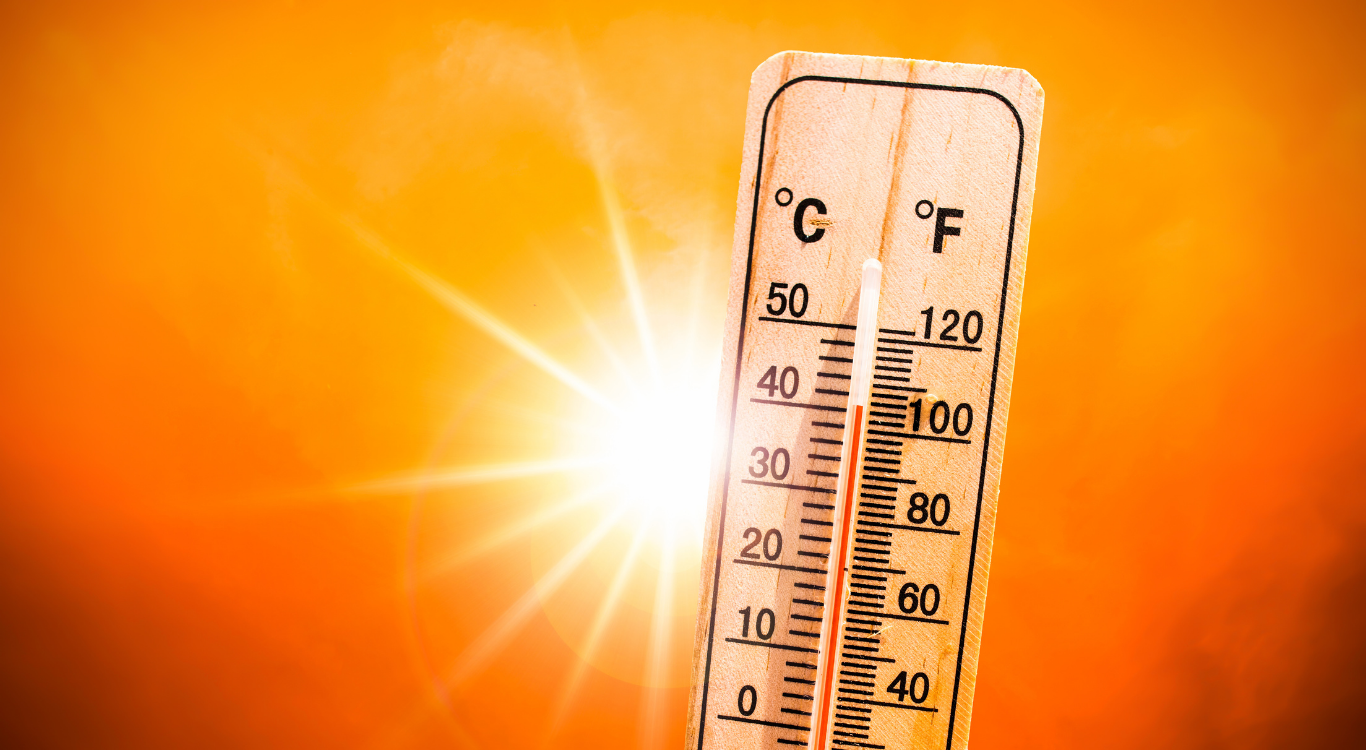
During an East Tennessee heat wave, outdoor temperatures and humidity levels can dramatically increase the workload placed on your HVAC system. Many air conditioning systems are designed to maintain indoor temperatures roughly 15–20 degrees cooler than outdoor conditions. When temperatures climb into the upper 90s with heavy humidity, systems must work significantly longer to maintain comfort.
According to the U.S. Department of Energy, heating and cooling account for nearly half of a home’s total energy usage. During prolonged heat events, this constant demand increases wear and tear on HVAC equipment. As systems run continuously, components begin overheating, airflow weakens, and performance declines.
What Causes HVAC Systems to Break Down in Extreme Heat?
Several factors contribute to HVAC failures during East Tennessee summers.
Common Causes of HVAC Failure During Heat Waves:
- Dirty air filters restricting airflow
- Frozen evaporator coils
- Overheated compressors
- Low refrigerant levels
- Clogged outdoor condenser coils
- Failing capacitors
- Aging HVAC systems
- Poor attic ventilation
- Thermostat malfunctions
- Leaking ductwork
Many homeowners across the Tri-Cities region don’t realize their HVAC system already has underlying issues until a heat wave exposes them.
Why Does My Air Conditioner Run Constantly During Hot Weather?
It is normal for air conditioning systems to run longer during extreme heat. However, your HVAC system should still cycle occasionally under normal operating conditions.
Signs Your HVAC System May Be Struggling:
- Your AC never shuts off
- Indoor temperatures continue rising
- Weak airflow from vents
- Warm air coming from registers
- High humidity inside the home
- Rising electric bills
- Strange noises or odors
- Ice forming on refrigerant lines
If your air conditioner runs constantly during East Tennessee heat waves, it may indicate airflow problems, refrigerant issues, or an aging system nearing failure.
Can a Dirty Air Filter Cause HVAC Failure?
Yes. A dirty air filter is one of the leading causes of HVAC problems during summer.
When airflow becomes restricted:
- Your system works harder
- Components overheat
- Evaporator coils may freeze
- Energy efficiency drops
- Indoor comfort decreases
The Department of Energy estimates homeowners can improve HVAC efficiency by regularly replacing dirty air filters. During heavy summer usage in Johnson City, TN, Kingsport, TN, and Bristol, TN, filters may need replacement more frequently than homeowners expect.
How Do I Know if My HVAC System Is Overheating?
Overheating HVAC systems often show warning signs before complete failure occurs.
Common Signs of an Overheating Air Conditioner:
- Outdoor unit feels extremely hot
- AC repeatedly trips breakers
- System shuts off unexpectedly
- Burning smells near vents
- Loud buzzing or humming sounds
- Poor cooling performance
Extreme East Tennessee humidity can make overheating problems worse because your system must remove both heat and moisture from indoor air.
Is It Worth Repairing or Replacing an Older HVAC System?
This is one of the most common questions homeowners ask during summer breakdowns.
Repair vs Replace Considerations
| Repair May Be Worth It If: | Replacement May Be Better If: |
|---|---|
| Your system is under 10 years old | Your system is 15+ years old |
| Repairs are minor | Breakdowns are becoming frequent |
| Energy bills remain manageable | Cooling costs continue increasing |
| Cooling performance is still strong | Your home stays uncomfortable |
Many older systems in East Tennessee struggle to keep up with today’s prolonged heat waves and humidity levels. Upgrading to a modern high-efficiency HVAC system may improve:
- Cooling performance
- Indoor humidity control
- Energy efficiency
- Airflow consistency
- Long-term reliability
According to Energy Star, replacing older HVAC equipment with high-efficiency systems can significantly reduce cooling costs annually.
How Much Does It Cost to Prevent HVAC Failure?
Preventative maintenance is usually far less expensive than emergency HVAC repair or full system replacement.
Preventative Maintenance May Include:
- Air filter replacement
- Coil cleaning
- Refrigerant checks
- Electrical inspections
- Thermostat calibration
- Condensate drain cleaning
- Airflow testing
Routine maintenance helps identify small issues before they become major breakdowns during peak summer heat.
Why East Tennessee Heat Waves Are Especially Hard on HVAC Systems
Homes throughout East Tennessee and the Tri-Cities region face unique cooling challenges:
- High humidity levels
- Long cooling seasons
- Rapid temperature swings
- Older home construction
- Heavy attic heat buildup
These environmental conditions force HVAC systems to work harder and longer than systems in milder climates.
That’s why many homeowners in Johnson City, TN, Kingsport, TN, and Bristol, TN experience air conditioning failures during extended summer heat waves.
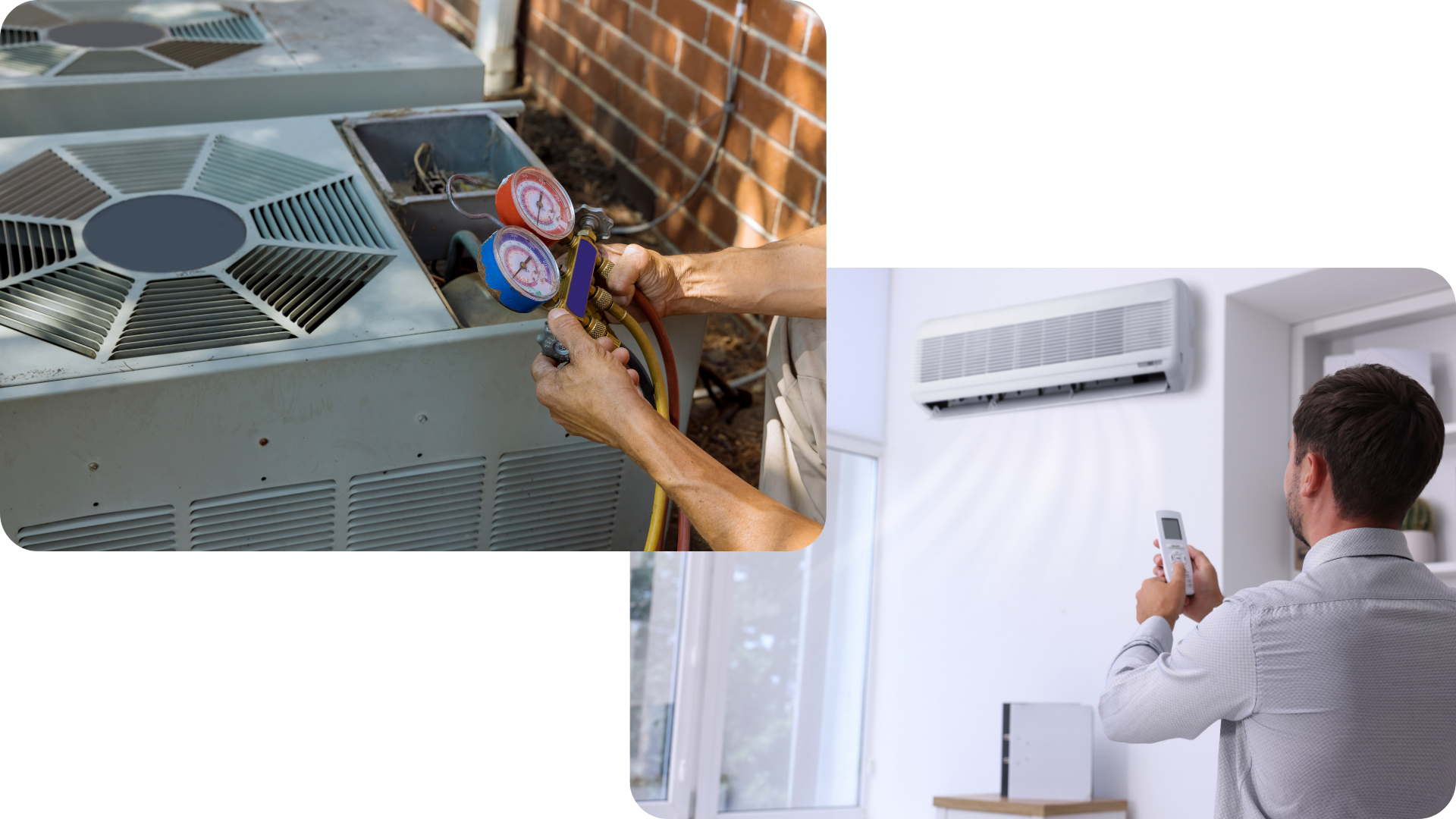
Can Smart Thermostats Help Prevent HVAC Problems?
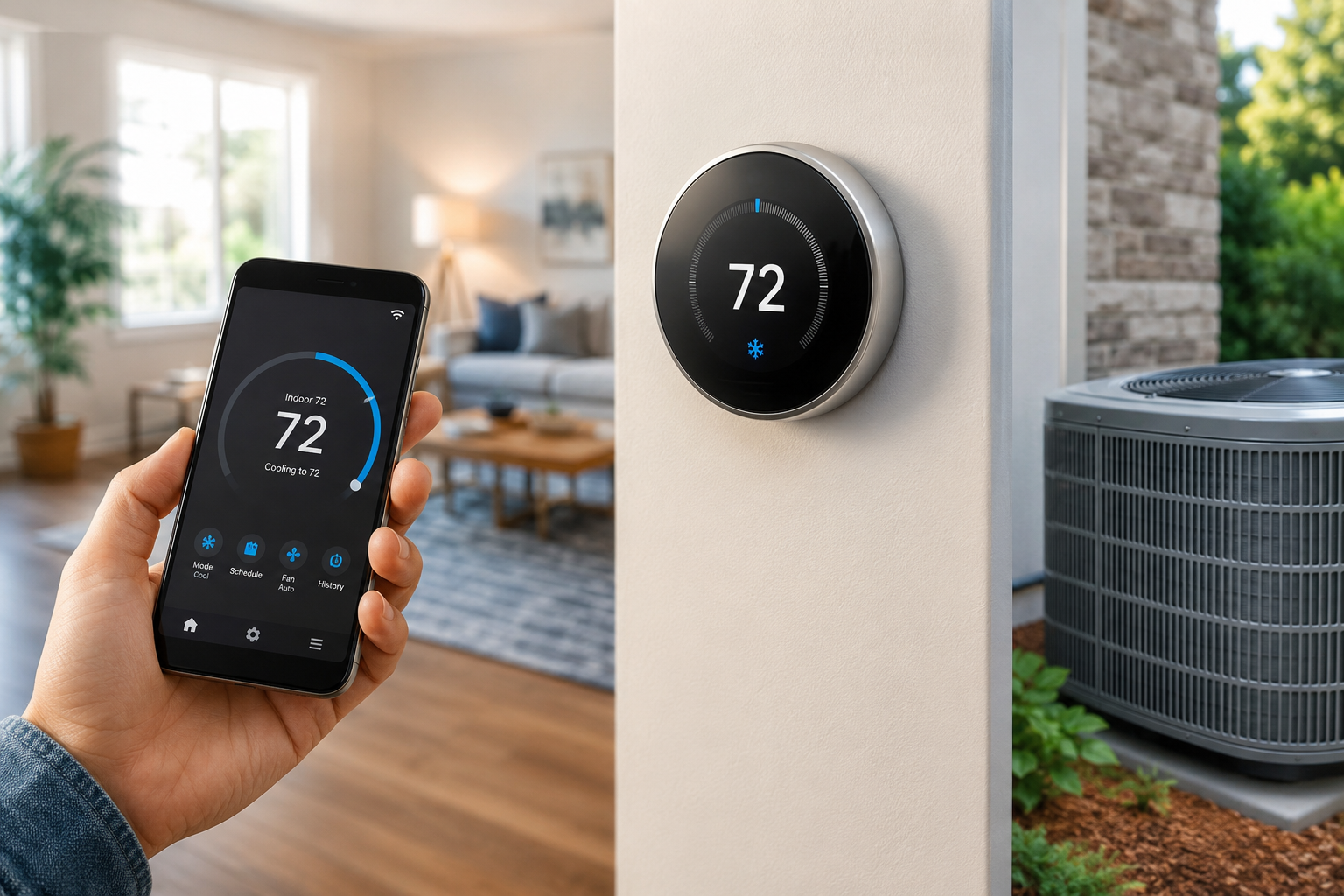
Smart thermostats can help reduce stress on HVAC systems by:
- Improving temperature management
- Reducing unnecessary runtime
- Monitoring system performance
- Sending maintenance alerts
- Helping homeowners manage humidity levels
Modern thermostat technology is becoming increasingly popular across East Tennessee as homeowners look for ways to improve comfort while reducing energy costs.
Trust Phil’s Heating and Air During East Tennessee Heat Waves
When summer temperatures rise, Phil’s Heating and Air is here to help homeowners across East Tennessee stay cool and comfortable.
Whether you need:
- Emergency HVAC repair
- Air conditioning maintenance
- Smart thermostat upgrades
- HVAC inspections
- Airflow diagnostics
- Or a complete HVAC replacement
…our experienced team is ready to help homes throughout the Tri-Cities area handle the toughest summer heat.
Call Phil’s Heating and Air today at (423) 741-5459 to schedule your HVAC service and keep your system running strong during East Tennessee heat waves.
FAQ
Frequently-asked-questions
Have questions about HVAC problems during East Tennessee heat waves? Explore our frequently asked questions below to learn more about common AC issues, warning signs, repair vs. replacement considerations, and ways to keep your system running efficiently during extreme summer temperatures.
Why does my HVAC system stop working during extreme heat?
Extreme heat forces HVAC systems to run longer and harder. Dirty filters, low refrigerant, overheating components, and airflow restrictions can all contribute to breakdowns.
Is it normal for my AC to run all day during a heat wave?
Longer runtimes are common during extreme heat, but your system should still cycle periodically. Constant operation may indicate an underlying issue.
Can a dirty air filter cause my air conditioner to fail?
Yes. Dirty filters restrict airflow, reduce efficiency, and increase strain on HVAC components, potentially causing overheating or frozen coils.
How do I know if my HVAC system is too old?
Frequent repairs, rising energy bills, uneven cooling, and poor performance during hot weather are common signs an HVAC system may need replacement.
How much does HVAC maintenance cost compared to repairs?
Preventative maintenance is typically much less expensive than emergency repairs or replacing a failed HVAC system during peak summer demand.
Can a smart thermostat help during East Tennessee summers?
Smart thermostats can improve efficiency, manage runtime, monitor humidity, and help reduce unnecessary strain on HVAC systems.
Why are East Tennessee summers so hard on air conditioners?
East Tennessee’s combination of high humidity, prolonged heat, and older homes creates heavy cooling demands that stress HVAC systems.
SHARE THIS BLOG POST
MORE HVAC TIPS & TRICKS
Related BLOG Articles




Repair vs. Replace Your HVAC System in 2026: The Hidden Costs East Tennessee Homeowners Need to Know