

BLOG ARTICLE
Understanding SEER, AFUE & HSPF: Ratings That Affect Comfort & Energy Bills
Brandon Keen
Understanding SEER, AFUE & HSPF
When it’s time to replace or upgrade your heating and cooling system, the sticker price isn’t the only number that matters. The efficiency ratings on your HVAC equipment can have just as big of an impact, not only on your comfort, but also on your monthly utility bills. Terms like SEER, AFUE, and HSPF may look confusing, but they’re actually powerful tools that help homeowners and business owners understand how efficiently a system performs. When you know what these ratings mean, you can make smarter decisions, maximize comfort, reduce energy waste, and save significantly over the life of your system.
Whether you live in Johnson City, Kingsport, Bristol, or anywhere in the Tri-Cities, understanding HVAC efficiency is one of the best ways to protect your investment.
❓ Why HVAC Efficiency Ratings Matter
Heating and cooling can account for over 40–50% of a home’s total energy consumption, according to national energy data. That means even small improvements in efficiency can help you:
- Reduce monthly heating and cooling bills
- Improve year-round comfort
- Reduce strain on your HVAC system
- Extend equipment lifespan
- Lower environmental impact
Many modern HVAC systems are 30% to 50% more efficient than systems installed 10–15 years ago. Choosing equipment with the right rating can pay for itself through long-term savings. Let’s break down what each rating really means.
🌡️ What Is SEER?
SEER = Seasonal Energy Efficiency Ratio
This rating applies to:
- Central air conditioners
- Heat pumps (in cooling mode)
SEER measures how much cooling a system delivers compared to how much electricity it uses over an entire cooling season. The higher the SEER number, the more efficiently the system operates.
What Is a “Good” SEER Rating?
Today’s systems typically fall into these ranges:
- Standard systems: 14–16 SEER
- Mid-efficiency: 16–18 SEER
- High-efficiency: 20+ SEER
Even stepping up a few SEER points can reduce electricity usage significantly. For example, upgrading from a 10 SEER (common in older systems) to a 16 SEER can reduce cooling costs by roughly 35–40% under typical use conditions.
SEER2: The New Testing Standard
Recent federal regulations introduced SEER2, which uses more accurate real-world testing. Minimum efficiency requirements increased in many regions, including ours here in Tennessee. That means new systems today must meet higher performance standards than equipment installed years ago — good news for comfort and energy savings.
🔥 What Is AFUE?
AFUE = Annual Fuel Utilization Efficiency
This rating applies to:
- Gas furnaces
- Oil furnaces
- Boilers
AFUE measures how efficiently the furnace converts fuel into usable heat.
- A furnace with 80% AFUE means 80% of the fuel becomes heat, while 20% is lost.
- A furnace with 95% AFUE wastes far less energy, meaning more heat reaches your home.
Typical AFUE Efficiency Ranges
- Standard furnaces: 80% AFUE
- High-efficiency furnaces: 90%–98% AFUE
Modern high-efficiency furnaces can reduce heating bills 15%–30% or more, depending on your current system and home structure.
In colder climates or large homes, the savings multiply even further.
❄️ What Is HSPF?
HSPF = Heating Seasonal Performance Factor
This rating applies to:
- Heat pumps (in heating mode)
While SEER measures cooling performance, HSPF measures how efficiently a heat pump heats your home over an entire heating season.
What Is a Good HSPF Rating?
- Standard heat pumps: 7.5–8.5 HSPF
- High-efficiency models: 9–10+ HSPF
Higher HSPF ratings generally mean:
- Lower winter heating costs
- Better cold-weather comfort
- Less energy waste
With the latest technology advances, many heat pumps now perform exceptionally well in colder temperatures — making them an outstanding alternative to traditional heating systems in East Tennessee’s climate.
💰 What These Ratings Mean for Your Wallet
Higher efficiency = lower long-term operating costs. While higher-rated systems may cost more upfront, they often deliver thousands of dollars in energy savings over their lifetime. In many cases, homeowners see:
- 20–50% reductions in energy consumption
- Reduced repair needs
- Fewer comfort issues
- Potential rebates or incentives depending on the equipment and program availability
For homeowners planning to stay in their homes for years, choosing a better-rated system is often the smarter investment.
👷♂️ Why Professional Guidance Matters
Not every home, business, or industrial environment needs the same rating or type of system. Factors like square footage, insulation, number of floors, duct condition, and usage demands all play a role. An improperly sized or poorly installed “high-efficiency” system can still perform poorly — meaning efficiency ratings only pay off when the equipment is designed and installed correctly.
🏠 Phil’s Heating & Air: Your HVAC Efficiency Experts
At Phil’s Heating & Air, we help homeowners, businesses, and industrial facilities across Johnson City, Kingsport, Bristol, and the Tri-Cities choose systems that deliver real performance — not just numbers on paper. We provide:
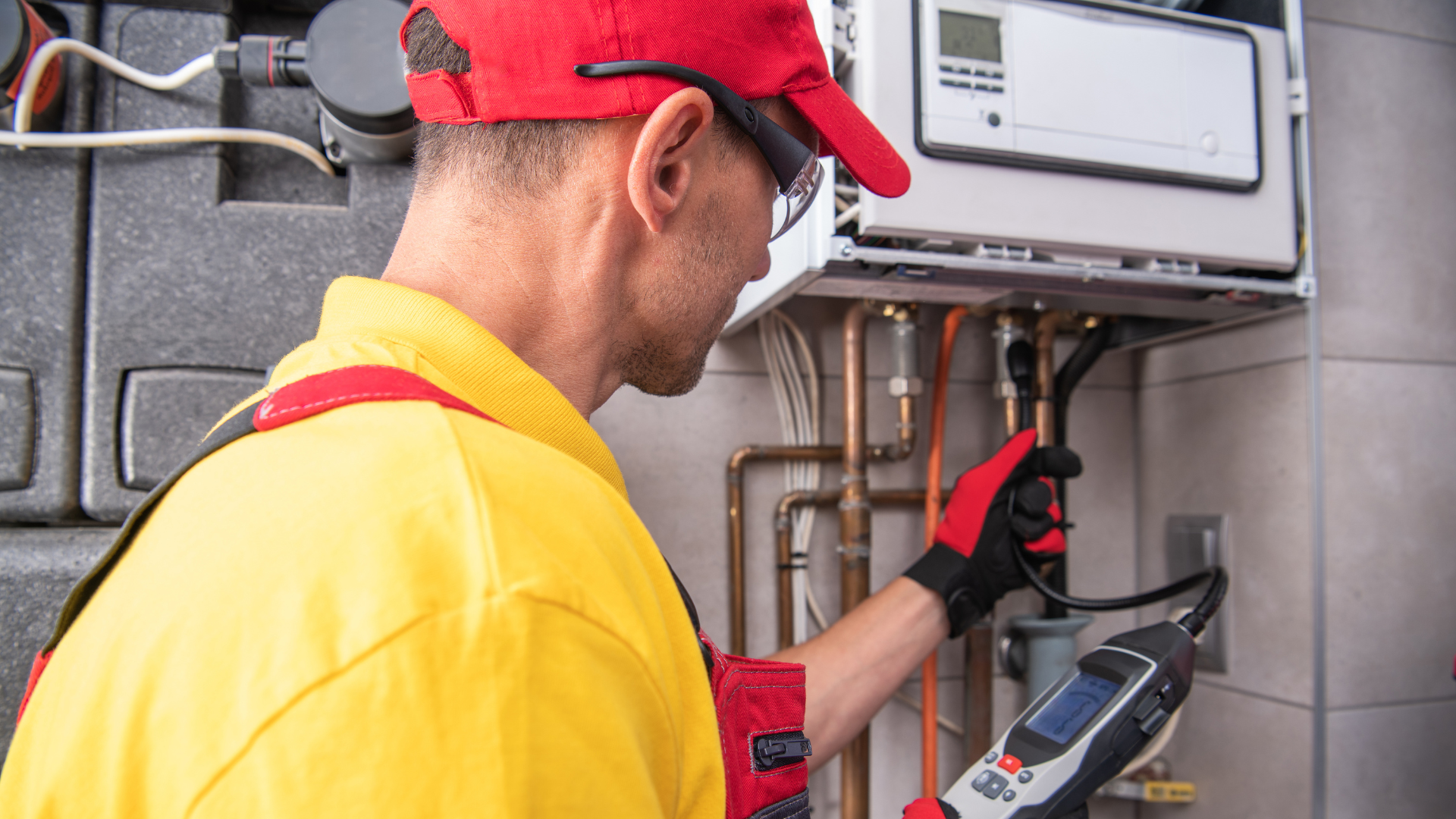
- 🏠 Residential HVAC installation & upgrades
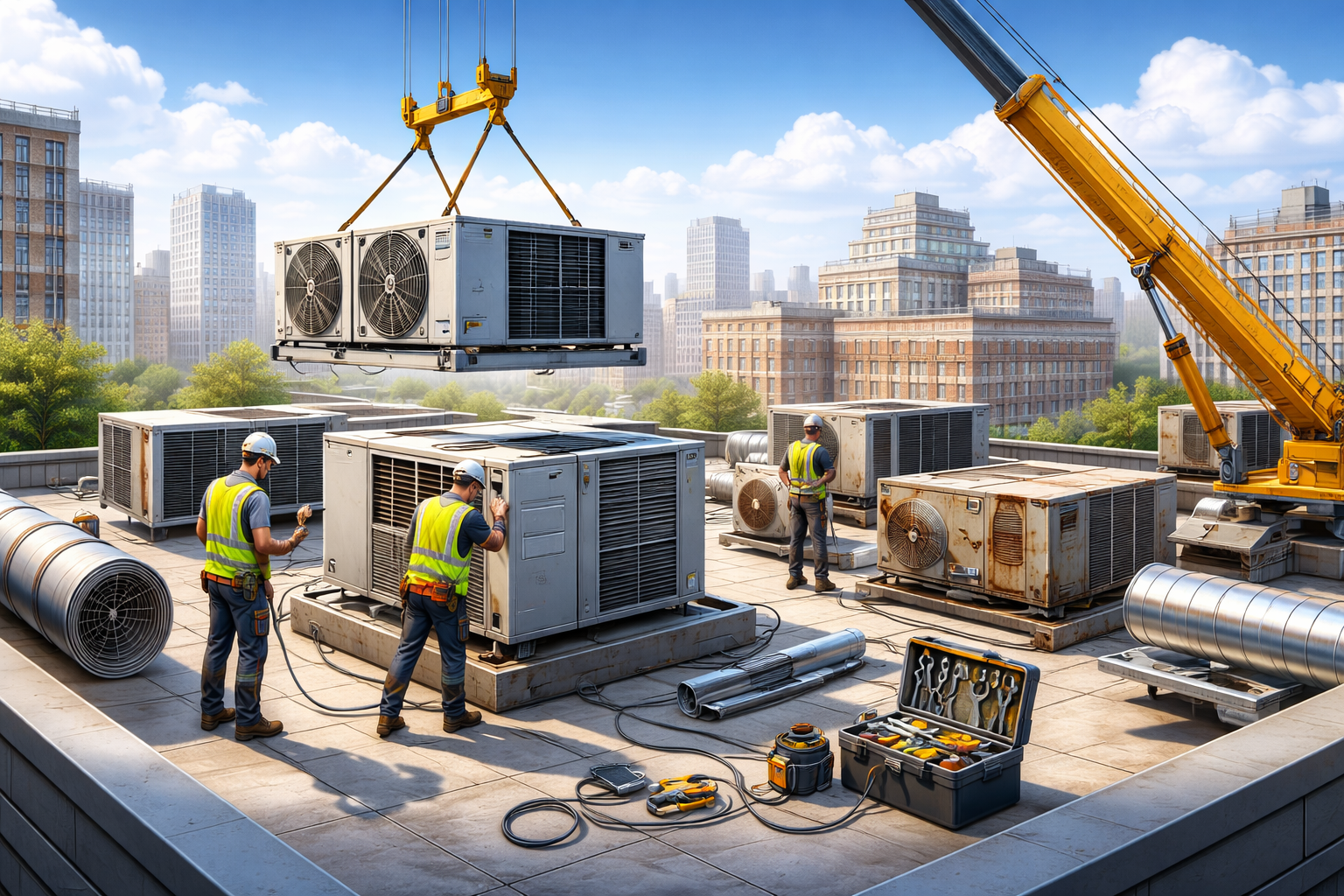
- 🏢 Commercial HVAC system design and replacement
- 🏭 Industrial HVAC solutions for demanding environments
- System efficiency evaluations
- Honest recommendations based on real needs
We don’t guess. We evaluate your building, load demands, duct condition, comfort goals, and budget to match you with the right equipment, with ratings that truly benefit you.
🏁 Final Thoughts
Understanding SEER, AFUE, and HSPF helps you make smarter HVAC decisions. These ratings aren’t just technical jargon — they directly affect your comfort, monthly bills, and long-term peace of mind. If you’re considering a new HVAC system or want to understand whether your current setup is performing efficiently, the experts at Phil’s Heating & Air are here to help. 👉 Contact Phil’s Heating & Air today to schedule a system evaluation or consultation.
📚 References & Resources
- U.S. Department of Energy — Heating & Cooling Energy Efficiency
- ENERGY STAR — HVAC Equipment Ratings & Efficiency Guides
- Air Conditioning Contractors of America (ACCA)
- American Society of Heating, Refrigerating and Air-Conditioning Engineers (ASHRAE)
SHARE THIS BLOG POST
MORE HVAC TIPS & TRICKS
Related BLOG Articles





Repair vs. Replace Your HVAC System in 2026: The Hidden Costs East Tennessee Homeowners Need to Know