

BLOG ARTICLE
Zoning Solutions for Mixed-Use Buildings: Comfort & Efficiency Tips for Landlords
Brandon Keen
Listen up, landlords! This will make an impact
Mixed-use buildings are some of the most challenging properties to heat and cool efficiently. When retail spaces, offices, and residential units all share the same structure, comfort expectations vary wildly, and a one-size-fits-all HVAC system rarely delivers. That’s where HVAC zoning becomes a game-changer for landlords and property owners.
Below, we’ll break down how zoning systems work, why they’re ideal for mixed-use or multi-tenant buildings, and the real cost-saving benefits landlords can expect.
What Is HVAC Zoning?
HVAC zoning divides a single building into multiple, independently controlled areas—or zones—each with its own thermostat. Instead of heating or cooling the entire building uniformly, zoning allows precise temperature control based on how each space is used.
Each zone is regulated by motorized dampers within the ductwork. These dampers open or close as needed, directing conditioned air only where it’s required.
In short:
Different spaces. Different schedules. Different comfort levels, one smart system.
Why Mixed-Use Buildings Need Zoning
Mixed-use buildings naturally have competing HVAC demands:
- Retail spaces generate heat from lighting, foot traffic, and equipment
- Offices often need consistent daytime cooling
- Residential units require evening and overnight comfort
- Upper floors retain more heat than ground-level spaces
Without zoning, one tenant’s comfort often comes at the expense of another’s—and landlords end up fielding constant temperature complaints. Zoning eliminates this tug-of-war by allowing each area to operate independently.
Improved Tenant Comfort = Higher Retention
Comfort directly impacts tenant satisfaction. When occupants can control their own environment:
- Retail tenants create a better shopping experience
- Office workers stay productive and comfortable
- Residential tenants enjoy consistent temperatures year-round
For landlords, this translates to fewer complaints, longer leases, and stronger tenant relationships, all critical factors in mixed-use property success.
Energy Efficiency & Cost Savings for Property Owners
One of the biggest advantages of HVAC zoning is its impact on operating costs.
How Zoning Saves Money:
- Prevents over-conditioning unused spaces
- Reduces runtime on HVAC equipment
- Minimizes temperature conflicts that waste energy
- Allows off-hour setbacks for closed retail or office zones
Over time, zoning can significantly lower monthly utility expenses, especially in buildings where usage patterns vary by tenant or time of day.
Reduced Wear & Longer System Life
Because zoning reduces unnecessary HVAC operation, equipment doesn’t have to work as hard or as often. This leads to:
- Fewer emergency repairs
- Longer equipment lifespan
- More predictable maintenance schedules
For landlords managing large or high-value properties, this long-term reliability is just as valuable as monthly energy savings.
Is HVAC Zoning Right for Your Property?
Zoning works particularly well for:
- Buildings with retail on the ground floor and offices or apartments above
- Multi-tenant office buildings
- Mixed commercial-residential developments
- Properties with hot/cold spot issues or frequent HVAC complaints
A professional HVAC assessment can determine whether zoning can be added to an existing system or if upgrades are recommended.
A Smarter Way to Manage Mixed-Use Comfort
For landlords, HVAC zoning isn’t just a comfort upgrade... It’s a strategic investment. Better temperature control leads to happier tenants, lower operating costs, and a more efficient building overall. If your mixed-use property struggles with uneven temperatures or rising energy bills, zoning may be the solution that finally brings everything into balance.
If you own or operate a mixed-use building, apartment complex, multi-family housing units, or other large commercial or industrial buildings... Contact Phil's Heating and Air for HVAC Solutions. We understand the intricacies of Commercial HVAC Solutions and will deliver energy-efficient results that save you money, keep your tenants happy, and increase your profitability.
SHARE THIS BLOG POST
MORE HVAC TIPS & TRICKS
Related BLOG Articles







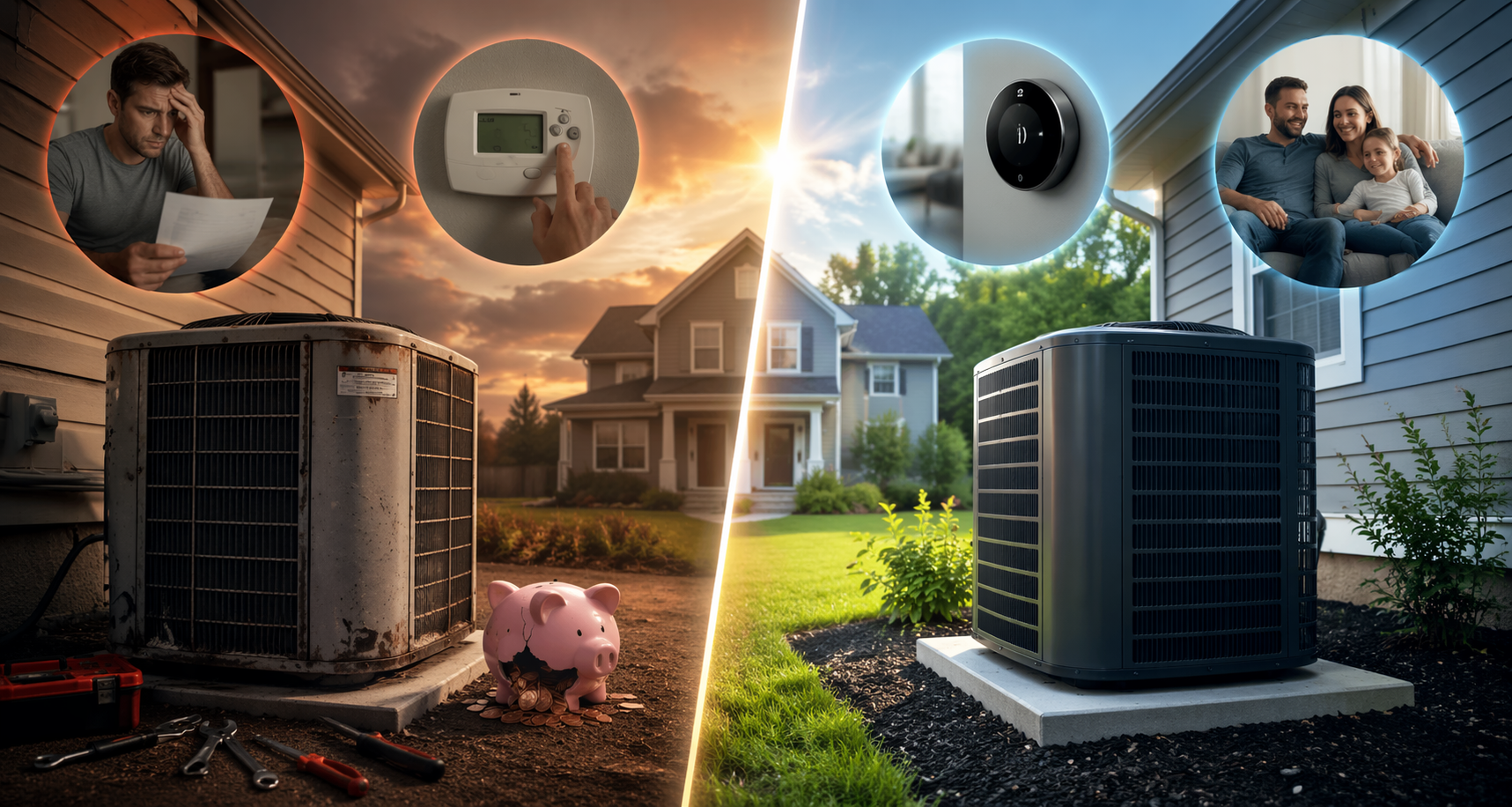
Repair vs. Replace Your HVAC System in 2026: The Hidden Costs East Tennessee Homeowners Need to Know