

BLOG ARTICLE
🏢 The Commercial HVAC Replacement Checklist: When to Upgrade & What to Expect
Brandon Keen
Keep your building comfortable, efficient, and cost-effective with smart replacement planning.
Upgrading or replacing a commercial HVAC system is one of the most important decisions a building owner or facility manager can make. A strategic replacement can significantly improve energy efficiency, occupant comfort, and long-term operating costs — but knowing when to replace, what to expect during the changeout, and how to minimize disruption is key. Below is a practical checklist for evaluating, planning, and executing your commercial HVAC replacement.
🔍 When Is It Time for a Commercial HVAC Replacement?
Commercial HVAC equipment doesn’t last forever; most systems average between 15 to 20 years of reliable service if properly maintained. After this point, wear and tear increase, performance declines, and operating costs rise significantly. Here are the top indicators that a commercial HVAC system may be due for replacement:
📈 1. System Age Exceeds Its Practical Lifespan
Most commercial HVAC equipment is designed to last about 15–20 years, depending on maintenance, usage patterns, and environmental conditions. Once a system approaches this age, its efficiency and reliability typically decline rapidly.
💸 2. Rising Energy Bills
Older HVAC systems lose efficiency as they age. If your utility costs are climbing even though usage hasn’t changed, your HVAC unit is likely consuming extra energy to maintain comfort levels.
🛠️ 3. Frequent Repairs & Costly Service Calls
Repeated breakdowns are a major red flag. According to industry guidance, if repair costs regularly exceed 50% of the value of a new system, replacement is often the smarter investment.
🌡️ 4. Inconsistent Comfort & Poor Performance
Uneven temperatures throughout your space (hot and cold spots), poor air flow, or issues with humidity control are classic signs that your commercial HVAC system is struggling to do its job.
🧼 5. Noisy Operation or Poor Air Quality
Grinding, rattling, or clanking noises often indicate broken or worn components, and poor indoor air quality can point to failing filters or ventilation issues that a new system can solve more effectively than repeated fixes.
📋 Planning Your Commercial HVAC Replacement
Once you’ve identified that a replacement is warranted, it’s time to plan strategically. A well-executed replacement can reduce downtime, control costs, and improve long-term performance.
🧮 1. Evaluate System Size & Load Requirements
An HVAC professional should perform updated load calculations to ensure that your new system is sized properly for your building’s current and future needs.
💡 2. Choose Energy-Efficient Equipment
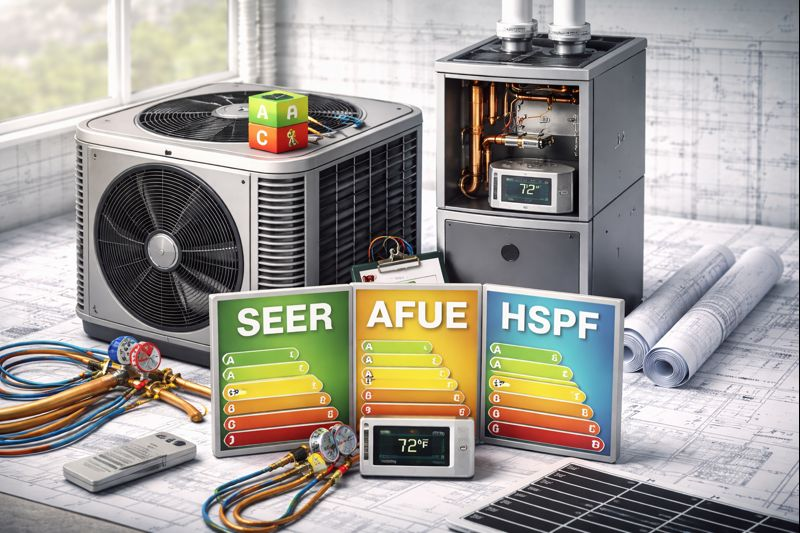
Modern commercial HVAC systems offer improved energy efficiency — often delivering 30–40% lower energy use compared to older models which can translate to significant savings over time. Consider high SEER ratings, variable-speed motors, and advanced controls.
📅 3. Schedule During Low-Demand Periods
Plan your installation during off-peak seasons or times when your building has lower occupancy to minimize disruption. Early planning helps you avoid emergency replacements during extreme weather.
🔧 4. Coordinate with Tenants & Stakeholders
Communicate timelines, expected noise, and affected zones well in advance. This keeps tenants informed and reduces operational surprises.
🔁 5. Upgrade Controls & Thermostats
Investing in smart controls, zoning systems, or building management integration during your replacement can amplify long-term comfort and efficiency gains.
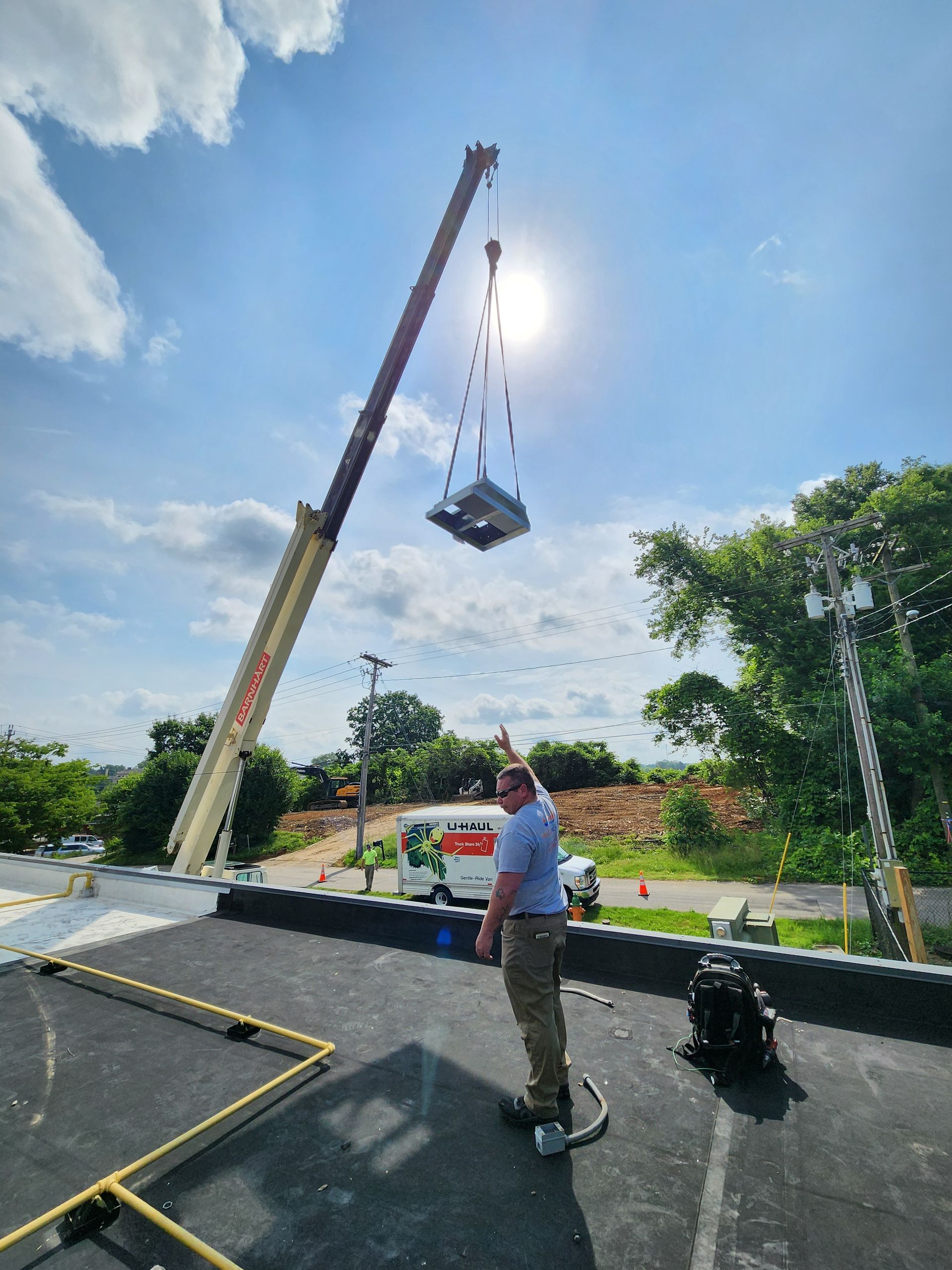
🛠️ What to Expect During the Changeout
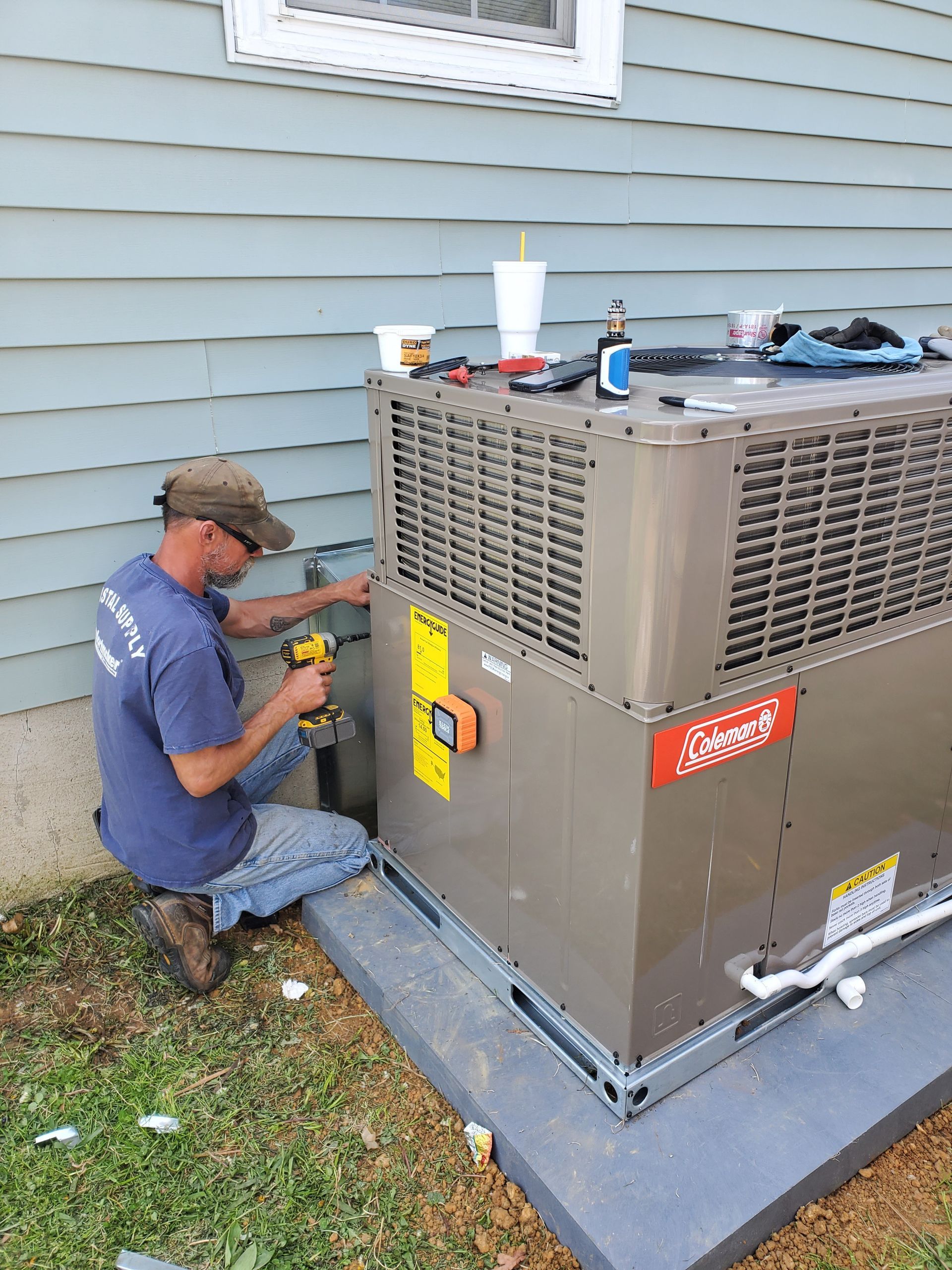
Commercial HVAC replacement is a multi-step process:
- Site Assessment & System Selection: Your HVAC contractor assesses current conditions and recommends the right equipment.
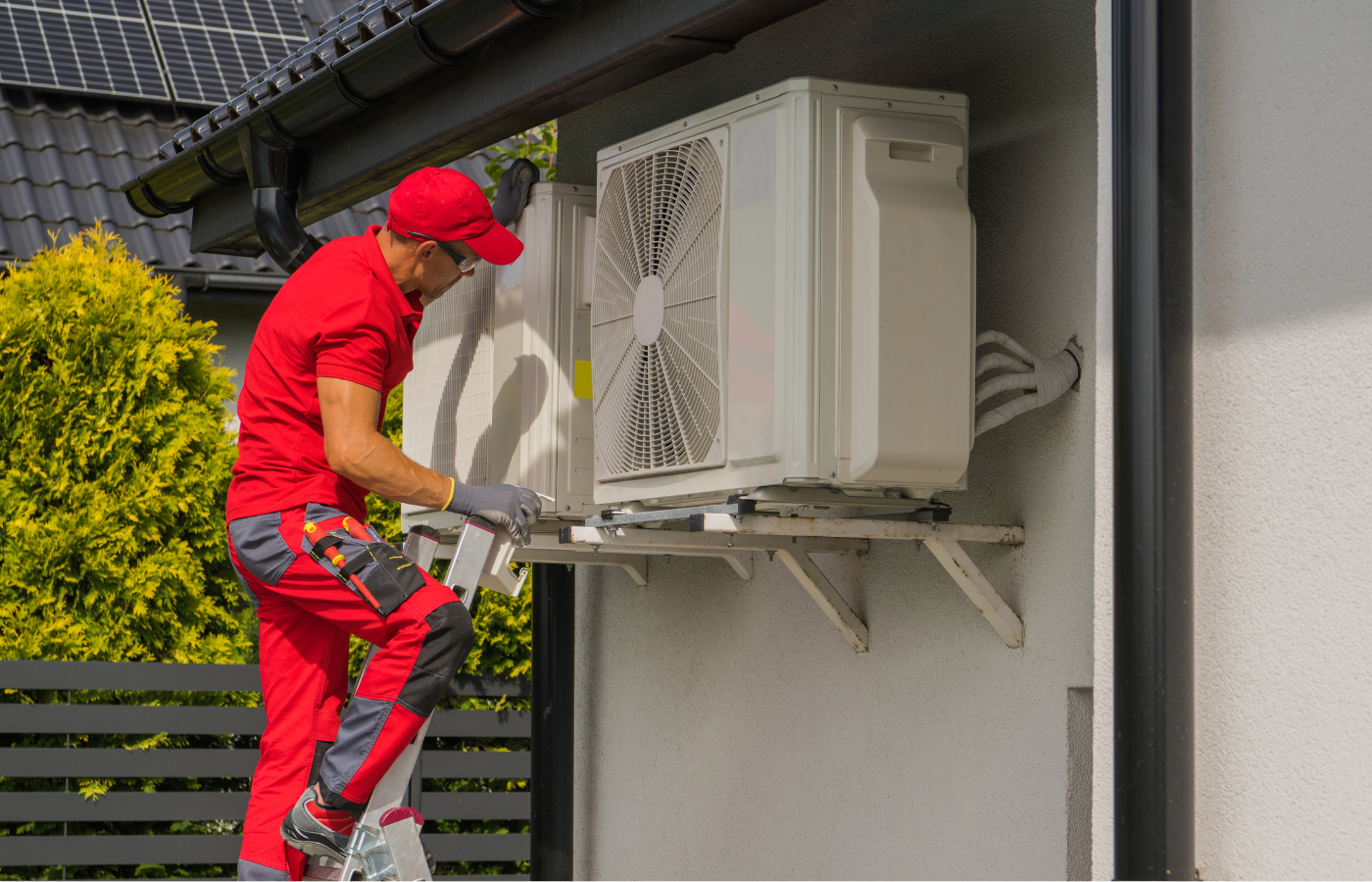
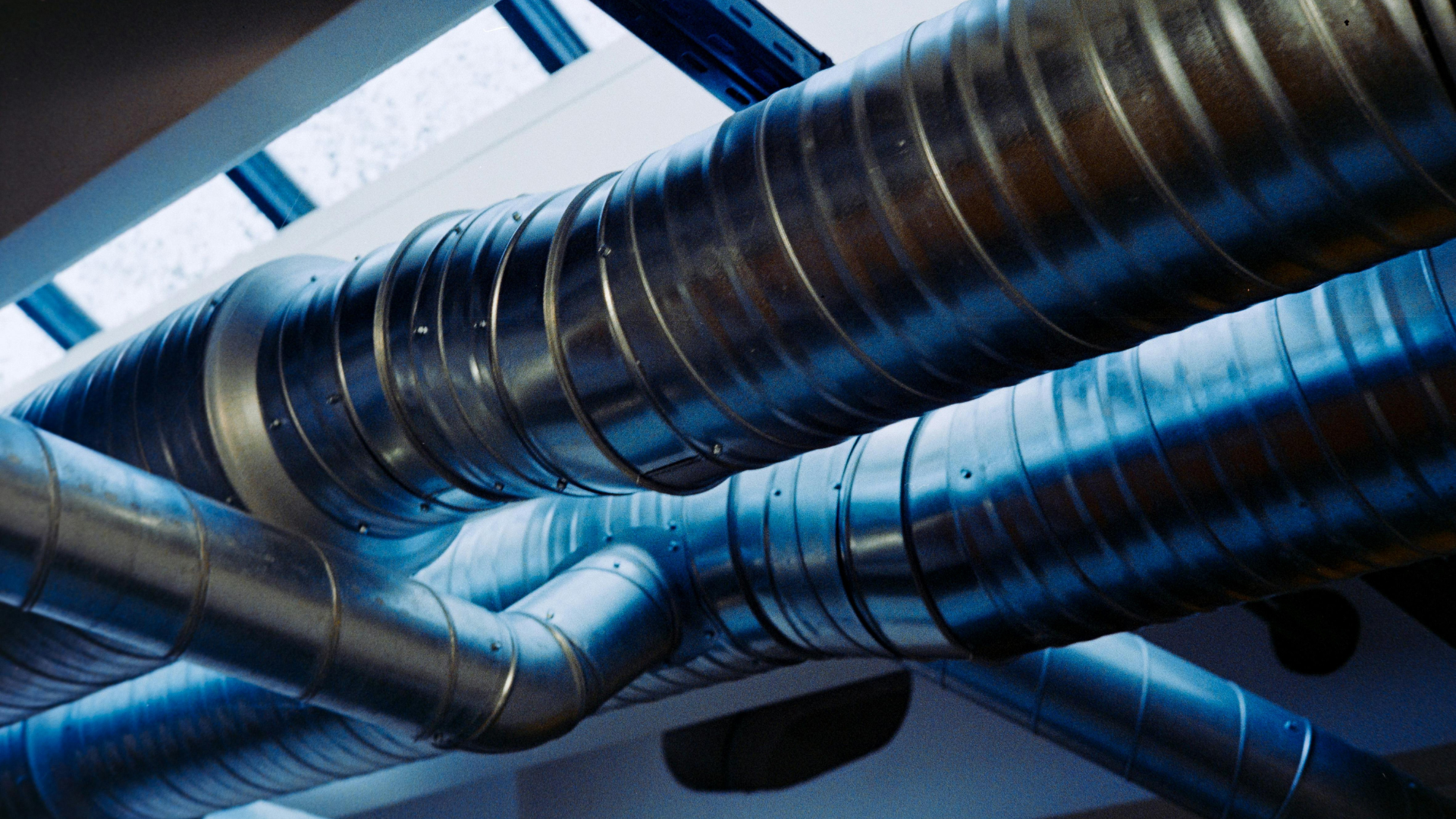
- Pre-Installation Prep: Remove old equipment, verify ductwork integrity, and prepare electrical and refrigerant lines.
- Installation & Commissioning: New equipment is installed, tested, and calibrated for optimal performance.
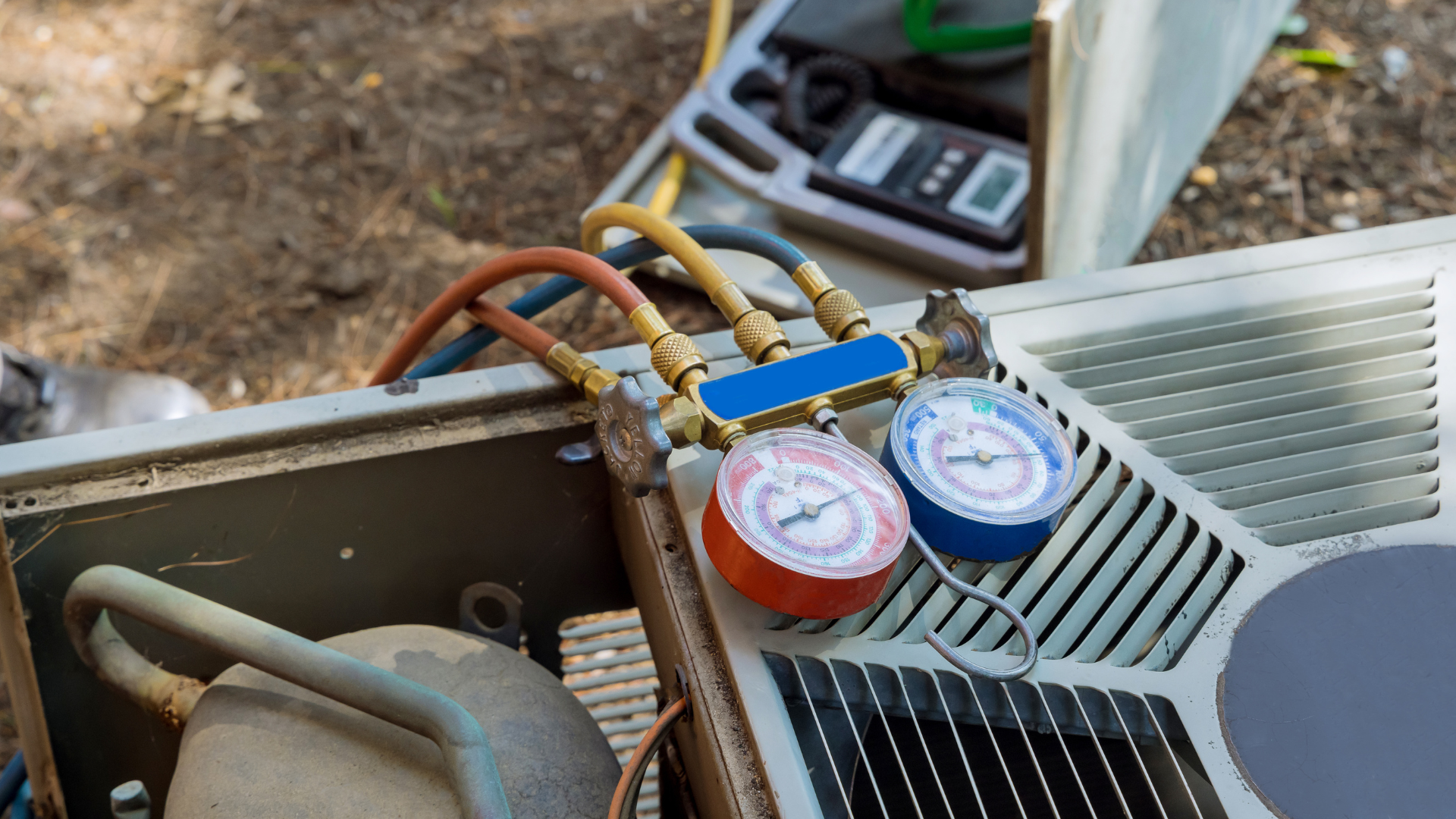
- Post-Installation Support: Technicians verify efficiency and may provide training on new controls.
With proper coordination, system changeouts can be completed with minimal disruption to daily business operations.
📉 Why Replacement Is a Smart Investment
A commercial HVAC replacement is not just an expense... It’s a business investment with proven ROI:
- Lower operating costs thanks to modern efficiency improvements.
- Fewer emergency repairs and reduced downtime.
- Improved comfort and air quality for employees and customers.
- Compliance with current energy and building standards.
🔧 Final Checklist: Commercial HVAC Replacement
Before making a final decision, run through this quick summary checklist:
✔ Is your system older than 15–20 years?
✔ Are your energy bills rising without increased usage?
✔ Are repair costs adding up?
✔ Do occupants complain about comfort or air quality?
✔ Will a new system lower long-term operating costs?
If you checked “yes” on several of these, a commercial HVAC replacement might be the next smart step for your building. Contact us to explore the options, or call or text us today at (423) 741-5459.
SHARE THIS BLOG POST
MORE HVAC TIPS & TRICKS
Related BLOG Articles





Repair vs. Replace Your HVAC System in 2026: The Hidden Costs East Tennessee Homeowners Need to Know