

BLOG ARTICLE
How Zoning Systems Can Improve Comfort in Multi-Story Homes
Brandon Keen
ALL YOU NEED TO KNOW ABOUT HVAC ZONING
If you live in a multi-story home, you’ve probably noticed one frustrating reality: the upstairs is almost always warmer than the downstairs in summer and colder in winter. That temperature imbalance isn’t your imagination. Heat naturally rises, cool air settles, and traditional HVAC systems treat your entire house as one single temperature zone. That means the thermostat on the main floor may read “comfortable,” while your bedroom upstairs feels like a sauna… or an icebox.
This is exactly where HVAC Zoning Systems come in. A zoning system divides your home into multiple controlled areas, each with its own thermostat and automated dampers inside your ductwork. Rather than forcing one temperature across the entire house, zoning allows your HVAC system to send heating and cooling where it’s actually needed.
For families, homeowners, and property owners across Johnson City, Kingsport, Bristol, and the surrounding Tri-Cities, zoning can dramatically improve comfort, efficiency, and control.
❓ Why Multi-Story Homes Struggle with Even Temperatures
There are a few physical and structural reasons why multi-level homes constantly fight temperature differences:
- Heat rises: upper floors absorb roof and attic heat while warm air naturally drifts upward.
- Sun exposure: rooms with greater sunlight (especially west-facing) warm up faster.
- Insulation differences: varying insulation quality between floors or rooms impacts temperature.
- Long duct runs: air has to travel farther to reach upper floors, losing efficiency.
- Single thermostat limitations: one thermostat cannot accurately represent multiple temperature environments.
Most HVAC systems cycle based on the main floor thermostat, meaning the upstairs or downstairs is always playing catch-up. Zoning resolves this problem by allowing each level to be controlled independently.
🏠 What Exactly Is an HVAC Zoning System?
A zoning system is an upgrade to your existing ducted heating and cooling system. It uses:
- Multiple thermostats throughout the home
- Motorized dampers inside your ductwork
- A zone control panel that acts as the “brain” of the setup
When a thermostat calls for air, the dampers open only in that zone. Instead of conditioning the entire house, your HVAC delivers air right where it’s needed. Think of it like having multiple mini-systems inside one HVAC unit... smarter, more precise, and far more efficient.

💡 Key Benefits of HVAC Zoning Systems
✅ 1. Comfort Where You Want It
No more fighting about thermostat settings. Each floor, or even individual rooms, can maintain the temperature that feels right. Bedrooms can be cooler at night. Living areas can stay comfortable during the day. Everyone wins.
💰 2. Lower Energy Bills
Why heat or cool rooms that no one is using? Organizations like the U.S. Department of Energy report that zoning can reduce heating and cooling costs by 20% to 30% when designed correctly. When combined with programmable or smart thermostats, energy waste drops even further. In a world where energy costs continue to climb, zoning simply makes financial sense.
🏡 3. Extended HVAC Equipment Life
When your HVAC system doesn’t have to work as hard to condition the entire home at once, it reduces overall strain on the equipment. That often leads to:
- Less wear and tear
- Fewer repair calls
- Longer system lifespan
That means more years of reliable comfort and fewer expensive replacements.
😴 4. Better Sleep & Daily Comfort
Many families struggle with uncomfortable sleeping conditions due to overheated bedrooms. Zoning lets you create the perfect sleep environment upstairs while keeping downstairs temperatures comfortable for evening living. This is one of the most common reasons families across the Tri-Cities request zoning upgrades.
🌡️ 5. Custom Comfort for Unique Homes
Zoning is especially valuable for:
- Multi-story homes
- Homes with finished basements
- Large homes with spread-out layouts
- Homes with bonus rooms or additions
- Properties with vaulted ceilings or large windows
Instead of designing your life around your HVAC system… zoning lets your HVAC system adapt to your life.
🔧 Can Zoning Be Added to an Existing HVAC System?
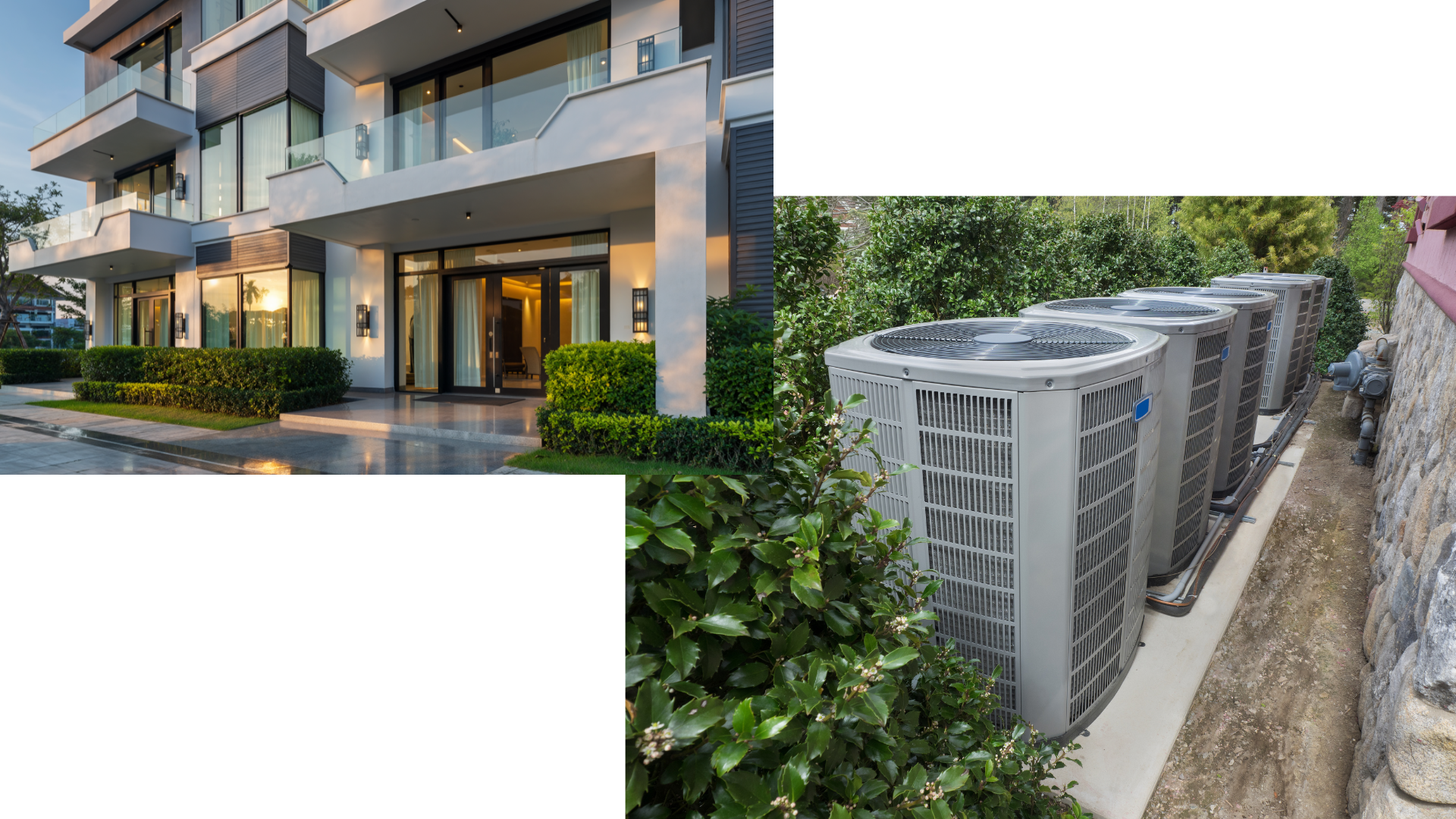
Yes! In most cases, zoning can be retrofitted into existing duct systems. During installation, a professional technician installs dampers into strategic sections of ductwork and adds thermostats in each zone. However, zoning must be engineered correctly. Poorly installed systems can create airflow problems and actually reduce performance. That’s why working with an experienced HVAC company matters.
👷♂️ Phil’s Heating & Air: Your Local Zoning System Experts
Whether you're a homeowner, business owner, or property manager, Phil’s Heating & Air has the expertise to design zoning systems that truly make a difference. Our experienced HVAC technicians understand the unique challenges of East Tennessee homes — from older houses in Johnson City to newer builds in Kingsport and commercial spaces in Bristol.
We provide zoning solutions across:
We don’t install “cookie-cutter” systems. Every zoning design is customized to ensure maximum comfort, efficiency, and long-term reliability.
🏁 Final Thoughts
If you’re tired of hot upstairs rooms, freezing downstairs spaces, and constant thermostat battles, an HVAC zoning system may be one of the smartest comfort upgrades you can make. It delivers better temperature control, energy savings, reduced strain on your HVAC equipment, and a more comfortable living or working environment year-round. Ready to explore zoning for your home or building?
👉 Contact Phil’s Heating & Air today to schedule an evaluation and discover whether zoning is right for you.
📚 References & Resources
- U.S. Department of Energy - Energy Efficiency & Home HVAC Performance
- ENERGY STAR – Heating & Cooling Guide
- Air Conditioning Contractors of America (ACCA) - Comfort & Airflow Standards
- American Society of Heating, Refrigerating and Air-Conditioning Engineers (ASHRAE)
SHARE THIS BLOG POST
MORE HVAC TIPS & TRICKS
Related BLOG Articles







Repair vs. Replace Your HVAC System in 2026: The Hidden Costs East Tennessee Homeowners Need to Know