

BLOG ARTICLE
Residential HVAC System Replacement: When Homeowners Should Upgrade
Brandon Keen
Knowing when to replace your HVAC system can save money, improve comfort, and dramatically reduce energy costs.
Upgrade your comfort and efficiency. The right HVAC replacement today can save thousands in energy and repair costs tomorrow.
Your heating and cooling system is one of the most important systems in your home. It keeps your family comfortable through East Tennessee’s humid summers and chilly winters. But like any mechanical system, HVAC equipment does not last forever. Many homeowners continue repairing aging systems without realizing that residential HVAC system replacement may be the more cost-effective long-term solution. New HVAC systems are significantly more efficient, more reliable, and designed to meet modern energy standards.
If you’re wondering whether it’s time for a residential HVAC replacement or changeout, the signs below can help homeowners determine when an upgrade makes the most financial sense.
How Long Do Residential HVAC Systems Typically Last?
Most residential HVAC systems are designed to last between 10 and 15 years, depending on usage, installation quality, and maintenance. According to the U.S. Department of Energy, many older HVAC systems installed before modern efficiency standards operate at much lower efficiency levels than today’s systems.
Typical lifespan estimates include:
- Central air conditioning systems: 12–15 years
- Heat pumps: 10–15 years
- Furnaces: 15–20 years
However, systems that lack proper maintenance or operate under heavy use may fail earlier. As equipment ages, efficiency declines, and repair costs increase, making HVAC system replacement more attractive financially.
Rising Energy Bills Can Signal an Aging HVAC System
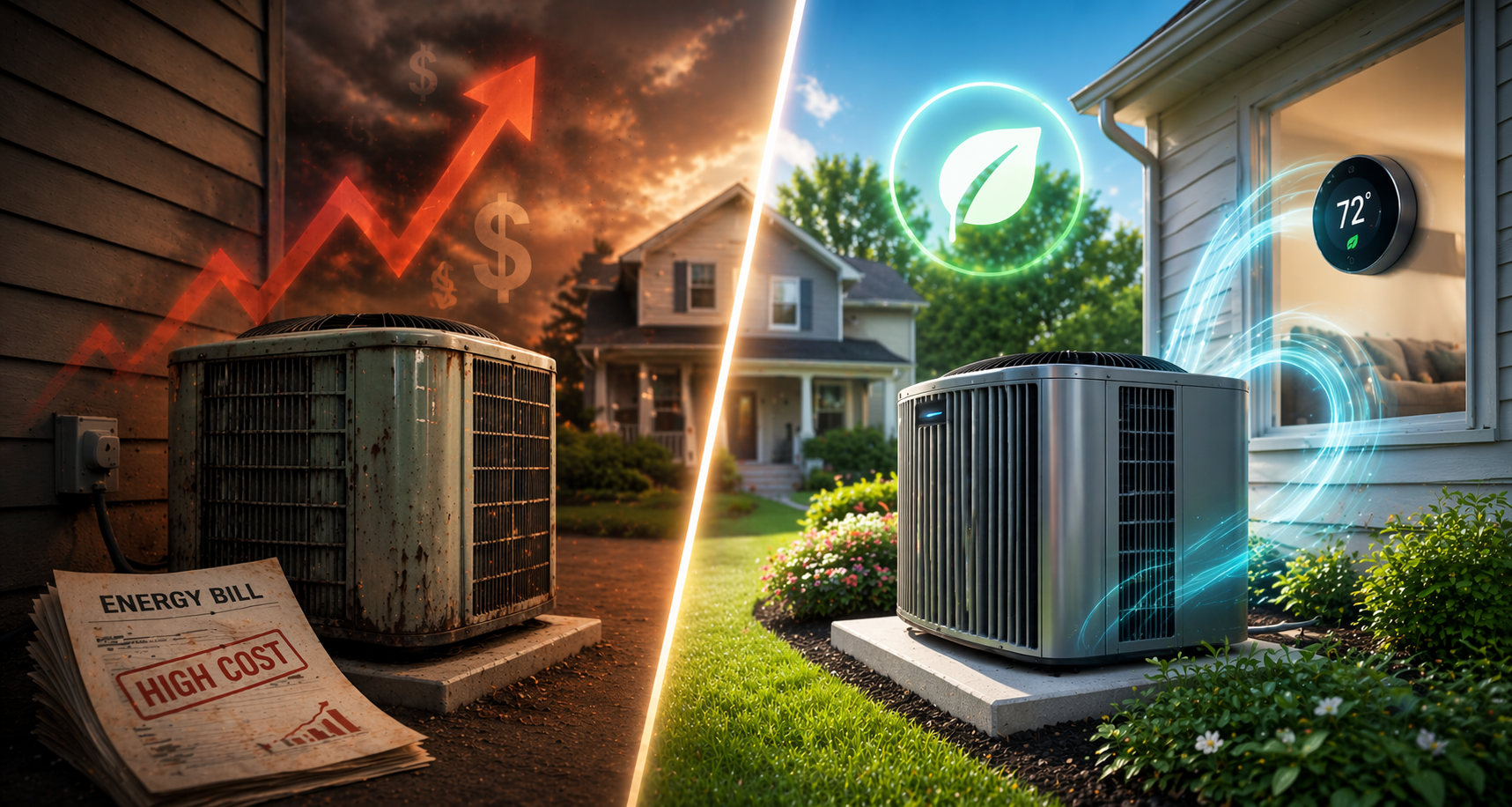
One of the biggest warning signs that homeowners should consider residential HVAC replacement is rising utility costs. Older heating and cooling systems require more energy to maintain the same comfort levels as modern high-efficiency systems. The U.S. Department of Energy estimates that heating and cooling account for nearly 50% of energy use in the average American home. That means HVAC efficiency has a major impact on monthly utility bills.
Upgrading from an older HVAC system to a modern high-efficiency unit can significantly reduce energy consumption. In fact:
- High-efficiency HVAC systems can reduce energy use by 20–40% compared to older equipment.
- ENERGY STAR-certified HVAC equipment may deliver up to 15% greater efficiency compared to standard systems.
For homeowners in East Tennessee, upgrading to a modern HVAC system can translate into hundreds of dollars in annual energy savings.
Frequent HVAC Repairs Add Up Quickly
As HVAC systems age, components wear down, and breakdowns become more frequent. Motors, compressors, capacitors, and refrigerant systems all experience increased strain over time.
While occasional repairs are normal, frequent service calls often indicate that an HVAC system is nearing the end of its lifespan.
Many HVAC professionals use a simple guideline when evaluating whether repair or replacement is the better option:
If the cost of repairs exceeds 50% of the value of a new HVAC system, replacement is often the smarter investment.
Modern HVAC systems not only reduce repair costs but also provide better reliability and fewer unexpected breakdowns during extreme weather conditions.
Outdated Refrigerants and Environmental Regulations
Another reason homeowners consider residential HVAC system replacement is outdated refrigerant technology.
Older air conditioning systems often rely on R-22 refrigerant (Freon), which has been phased out due to environmental regulations.
Because R-22 is no longer produced, servicing systems that use it has become increasingly expensive.
New HVAC systems use modern refrigerants designed to be more environmentally friendly and energy efficient, making replacement a better long-term solution.
Uneven Temperatures and Comfort Issues
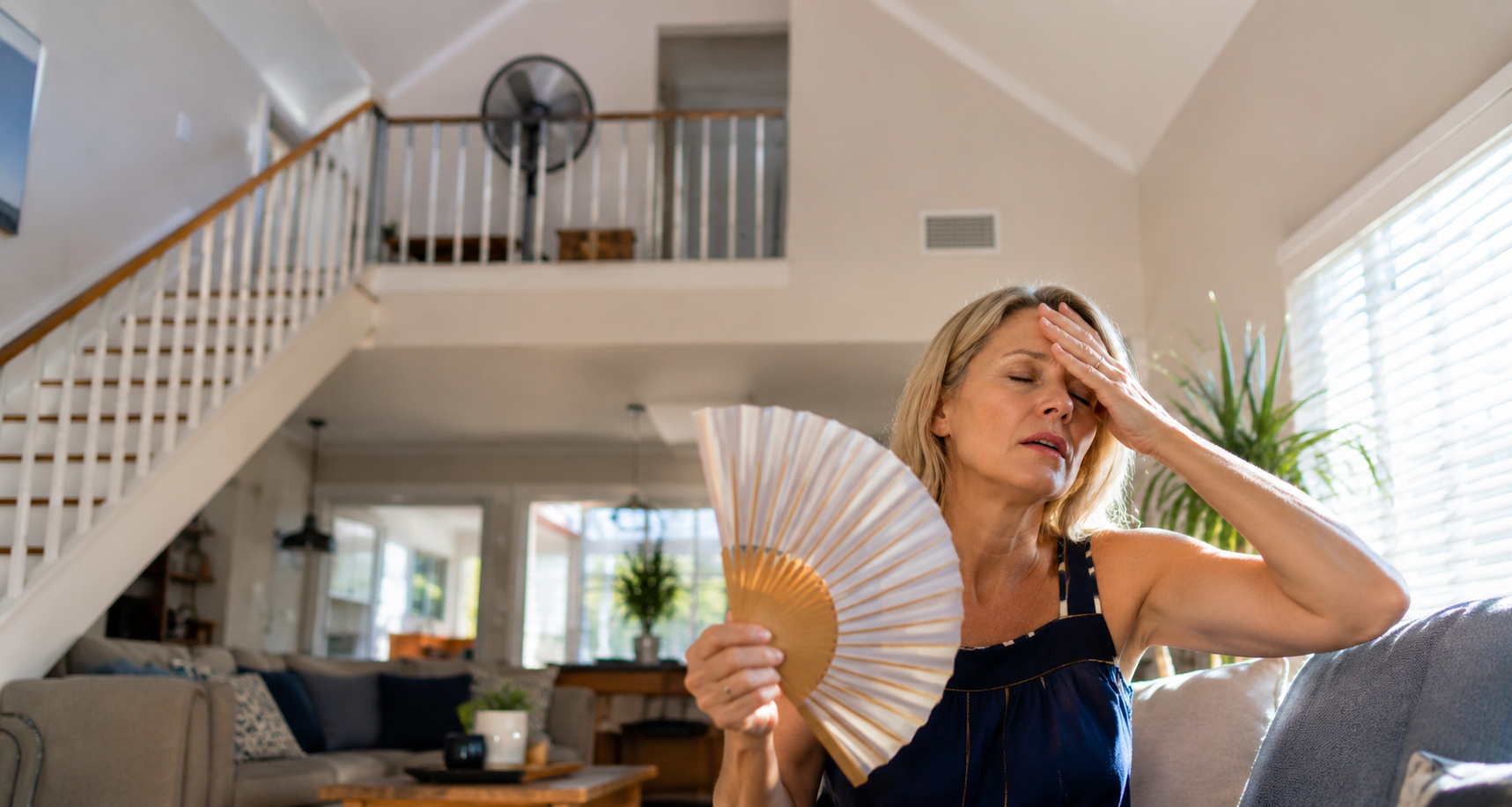
A failing HVAC system may struggle to distribute air evenly throughout your home.
Signs of poor HVAC performance include:
- Rooms that feel hotter or colder than others
- Weak airflow from vents
- Constant thermostat adjustments
- Difficulty maintaining comfortable temperatures
These problems often occur when HVAC systems lose efficiency or are no longer properly sized for the home. Modern HVAC systems provide improved airflow, advanced climate control, and more consistent indoor temperatures, greatly improving comfort throughout the house.
New HVAC Systems Offer Major Efficiency Improvements
Technology has improved dramatically in residential HVAC systems over the past decade.
Modern systems feature:
- Variable-speed compressors
- Smart thermostat compatibility
- Advanced airflow design
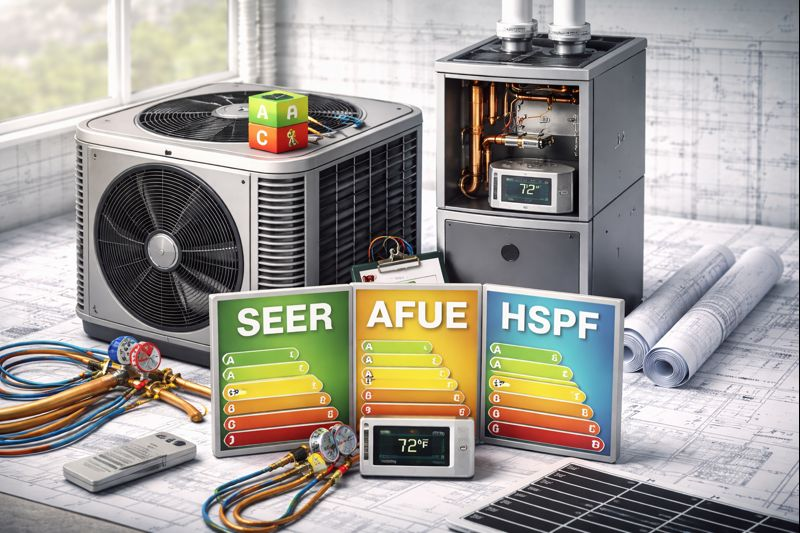
- Higher SEER2 efficiency ratings
- Improved humidity control
According to ENERGY STAR, replacing an older HVAC system with a high-efficiency model can reduce heating and cooling energy use by up to 20–30%. In addition to saving energy, modern HVAC systems often operate quieter and more consistently, providing a noticeable improvement in home comfort.
Rebates and Incentives for HVAC Replacement
Many homeowners are surprised to learn that HVAC system replacement may qualify for energy rebates and tax incentives.
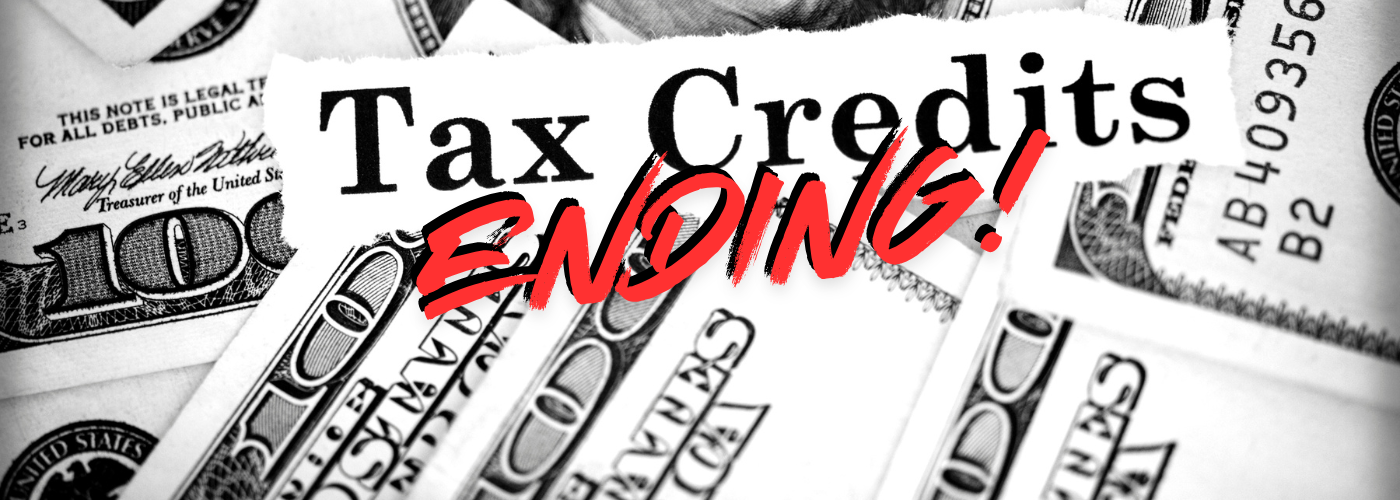
Programs such as TVA EnergyRight and federal energy efficiency incentives may help offset the cost of upgrading to high-efficiency HVAC systems.
These rebates encourage homeowners to install energy-efficient heating and cooling equipment that reduces overall energy consumption.
Working with a professional HVAC contractor can help homeowners identify available rebate opportunities when upgrading their system.
Preventive Maintenance Protects Your HVAC Investment
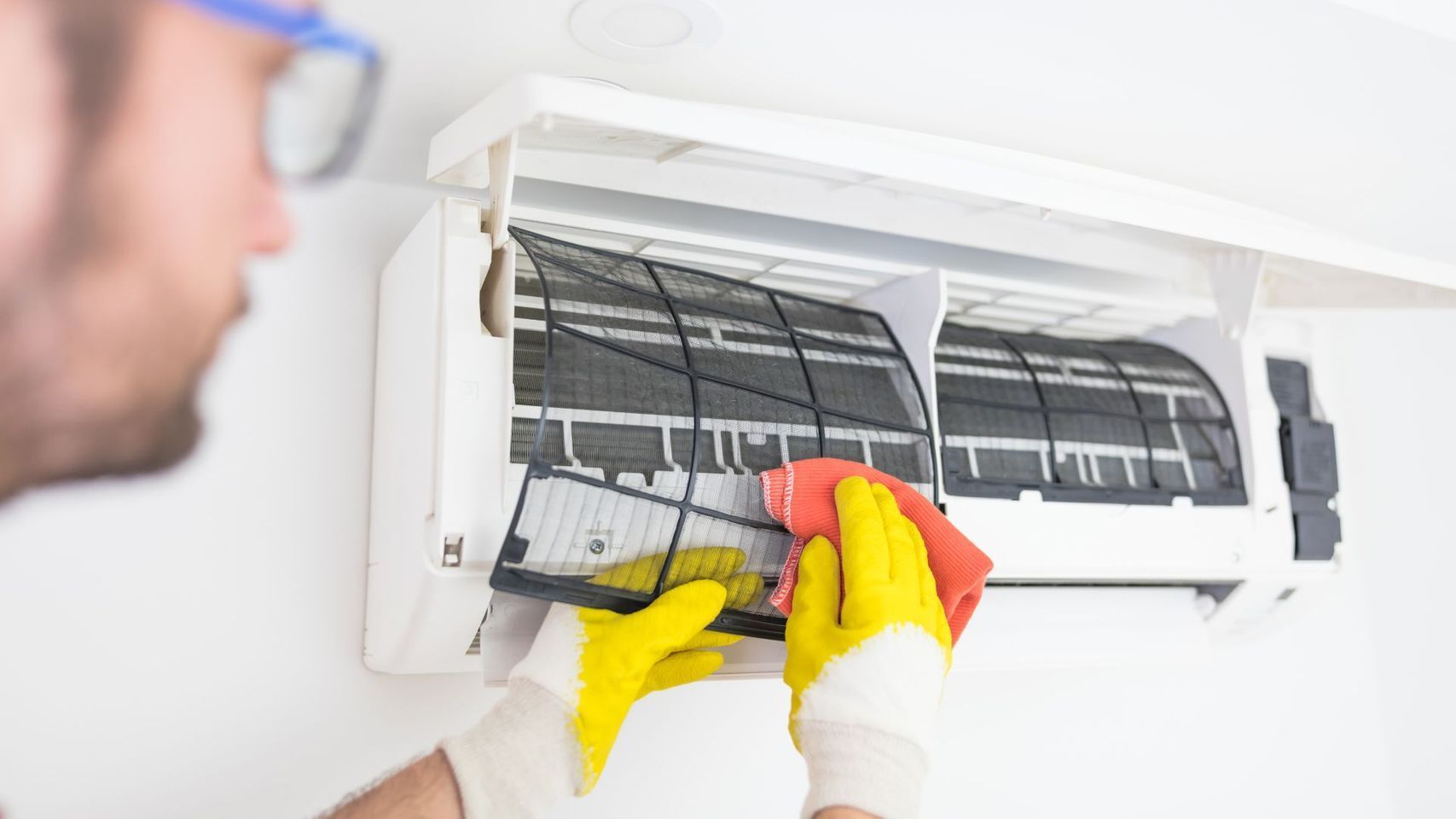
Even after upgrading to a new system, ongoing HVAC preventive maintenance remains critical for maximizing efficiency and system lifespan.
Regular maintenance services help:
- Maintain peak system performance
- Improve energy efficiency
- Reduce unexpected breakdowns
- Extend equipment lifespan
Homeowners who invest in HVAC maintenance plans can ensure their new system continues operating at peak performance for years to come.
Professional HVAC Installation Matters
Choosing the right HVAC equipment is only part of the equation. Proper installation is equally important.
Improper HVAC installation can lead to:
- Reduced energy efficiency
- Poor airflow
- Uneven temperatures
- Premature system failure
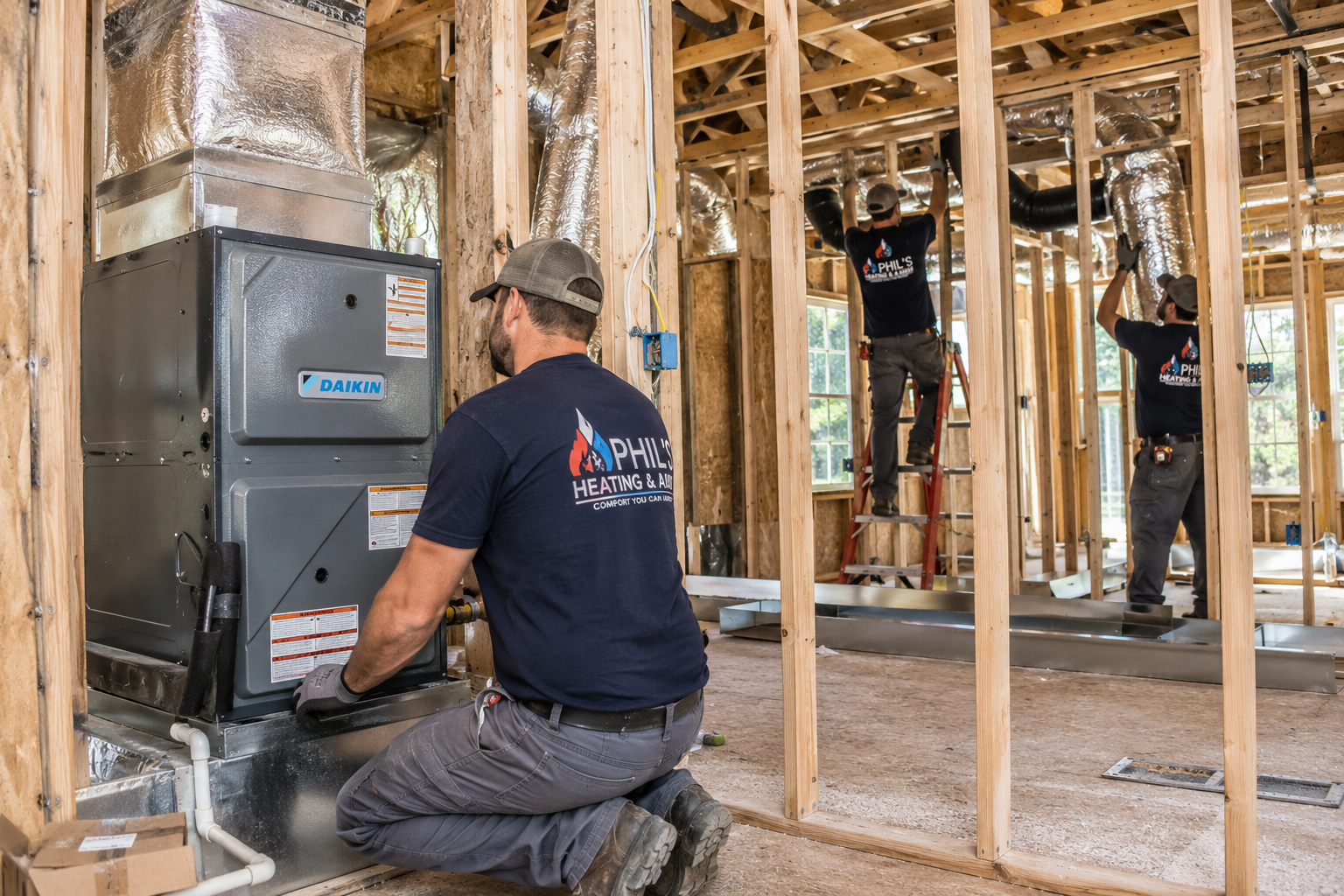
Working with experienced HVAC professionals ensures that your residential HVAC system replacement is properly sized, installed, and optimized for your home.
Residential HVAC System Replacement in the Tri-Cities
At Phil’s Heating & Air, we specialize in residential HVAC system replacement and installation throughout the Tri-Cities region, including Johnson City, Kingsport, Bristol, and surrounding communities. Our team helps homeowners choose the right HVAC system for their home, improve energy efficiency, and ensure long-term comfort.
Our residential HVAC services include:
- HVAC system replacement and changeouts
- High-efficiency HVAC system installation
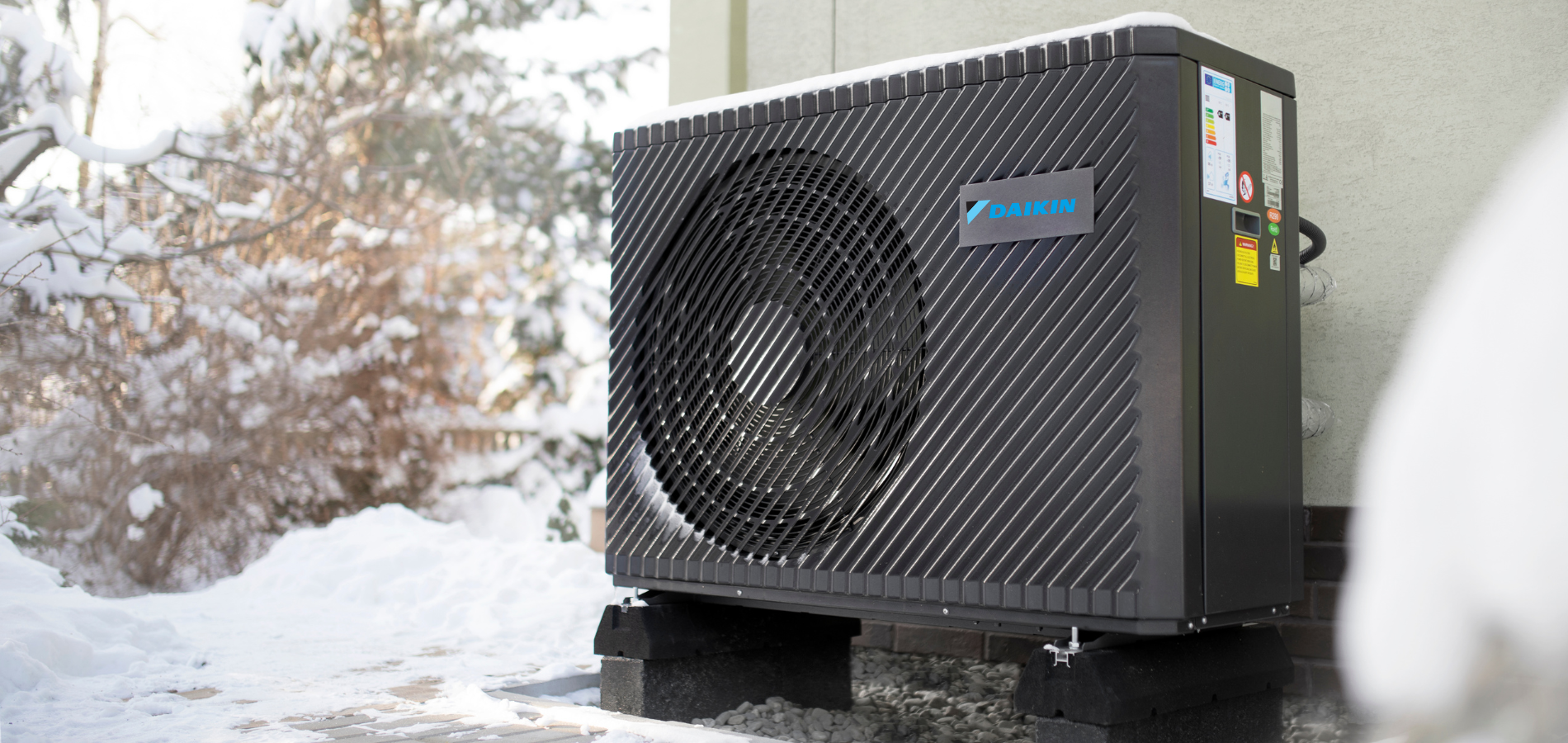
- Heat pump installation
- Energy-efficient HVAC upgrades
- Preventive HVAC maintenance plans
If your heating and cooling system is aging, inefficient, or constantly needing repairs, it may be time to consider upgrading to a modern residential HVAC system.
📞 Call or text Phil’s Heating & Air at (423) 741-5459 to schedule a consultation and learn more about residential HVAC replacement options for your home.
SHARE THIS BLOG POST
MORE HVAC TIPS & TRICKS
Related BLOG Articles




Repair vs. Replace Your HVAC System in 2026: The Hidden Costs East Tennessee Homeowners Need to Know