

BLOG ARTICLE
Commercial HVAC Preventive Maintenance Checklist
Brandon Keen
What Should Your Commercial HVAC Preventive Maintenance Checklist Include?
Quick Answer
A commercial HVAC preventive maintenance plan should be tailored to the building, equipment, operating hours, and manufacturer recommendations. A professional inspection may cover filters, coils, drains, motors, controls, ventilation, safety components, and system performance. Regular service can help identify developing problems, but no checklist can prevent every breakdown.
Why Commercial HVAC Preventive Maintenance Matters
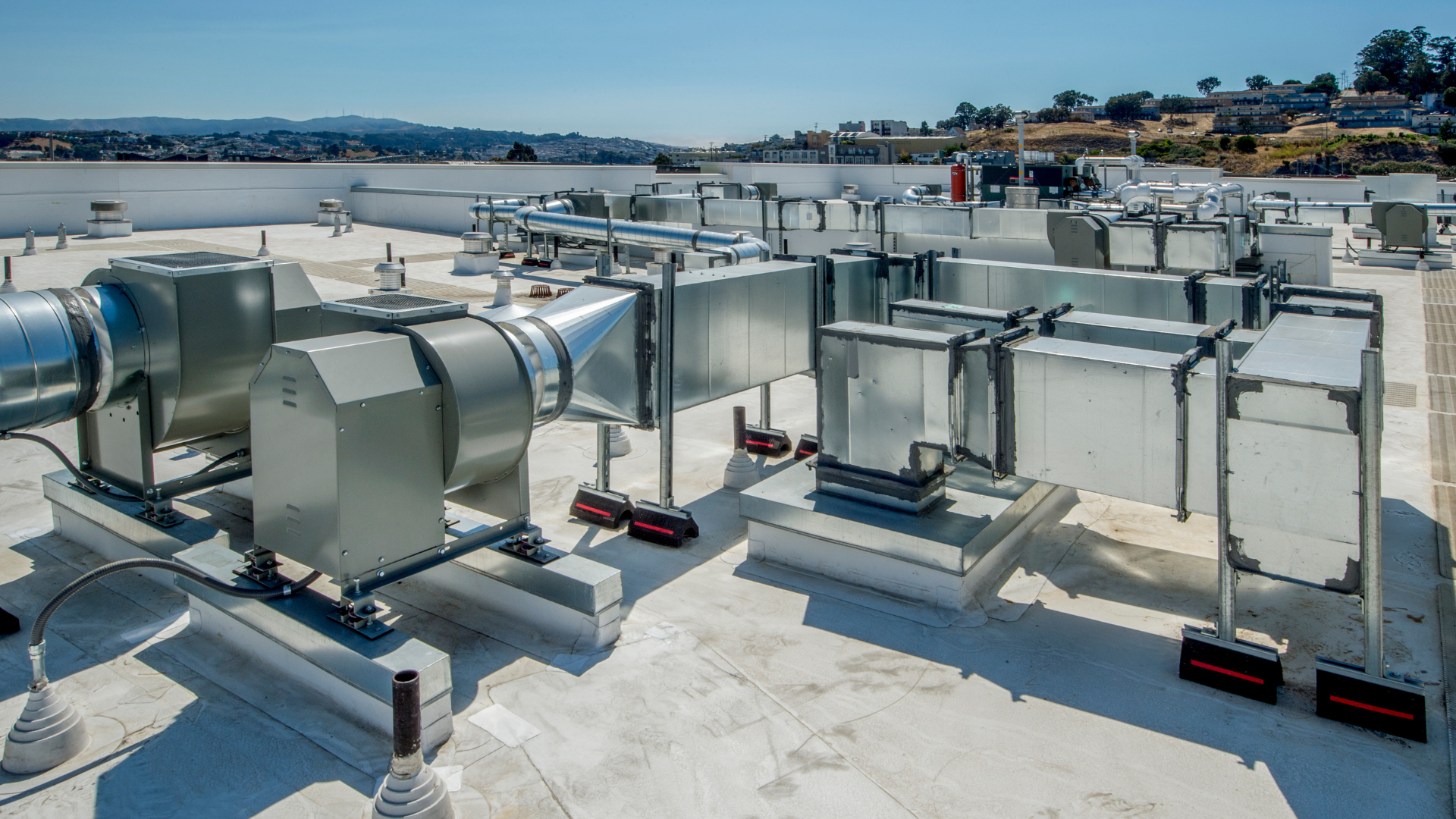
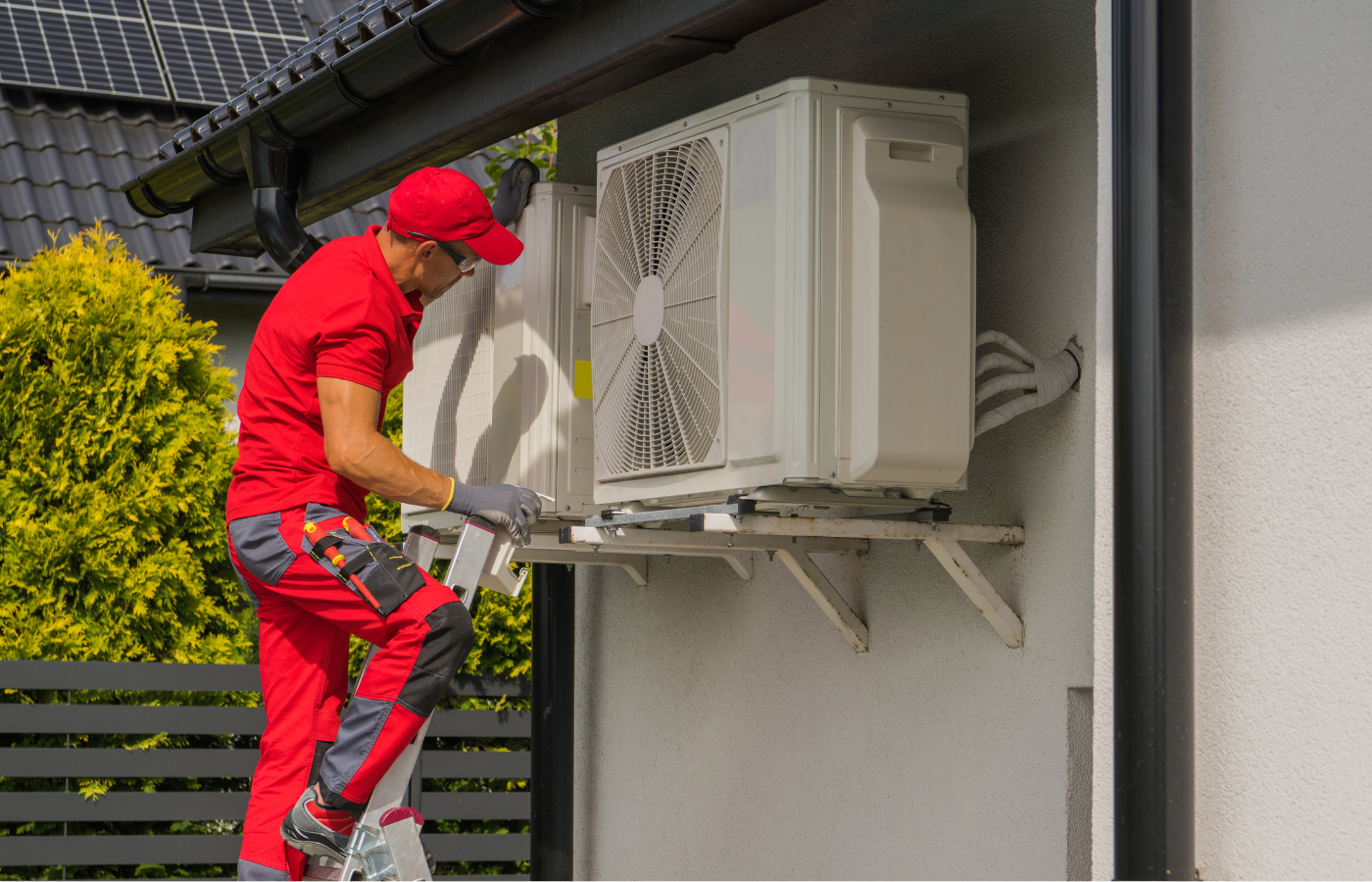
Commercial HVAC systems may serve many rooms or zones and include rooftop units, air handlers, heat pumps, ventilation equipment, and building controls. If one part is dirty, worn, blocked, or operating incorrectly, employees and customers may notice uneven temperatures, poor airflow, equipment alarms, or unexpected downtime.
A written preventive maintenance plan helps building managers track service, identify recurring issues, and plan repairs before peak heating or cooling demand. Maintenance does not guarantee that equipment will never fail, but it gives a qualified technician a chance to spot concerns and explain next steps.
Commercial HVAC Preventive Maintenance Checklist
Use this checklist as a guide for discussing service with your HVAC provider. The right tasks and intervals depend on the equipment and site.
1. Review equipment history and building needs
Before a visit, gather available equipment records, previous service notes, recurring comfort complaints, and building automation alerts. Tell the technician about recent changes to occupancy, schedules, or how the space is used. This context can help focus the inspection.
2. Inspect filters and airflow
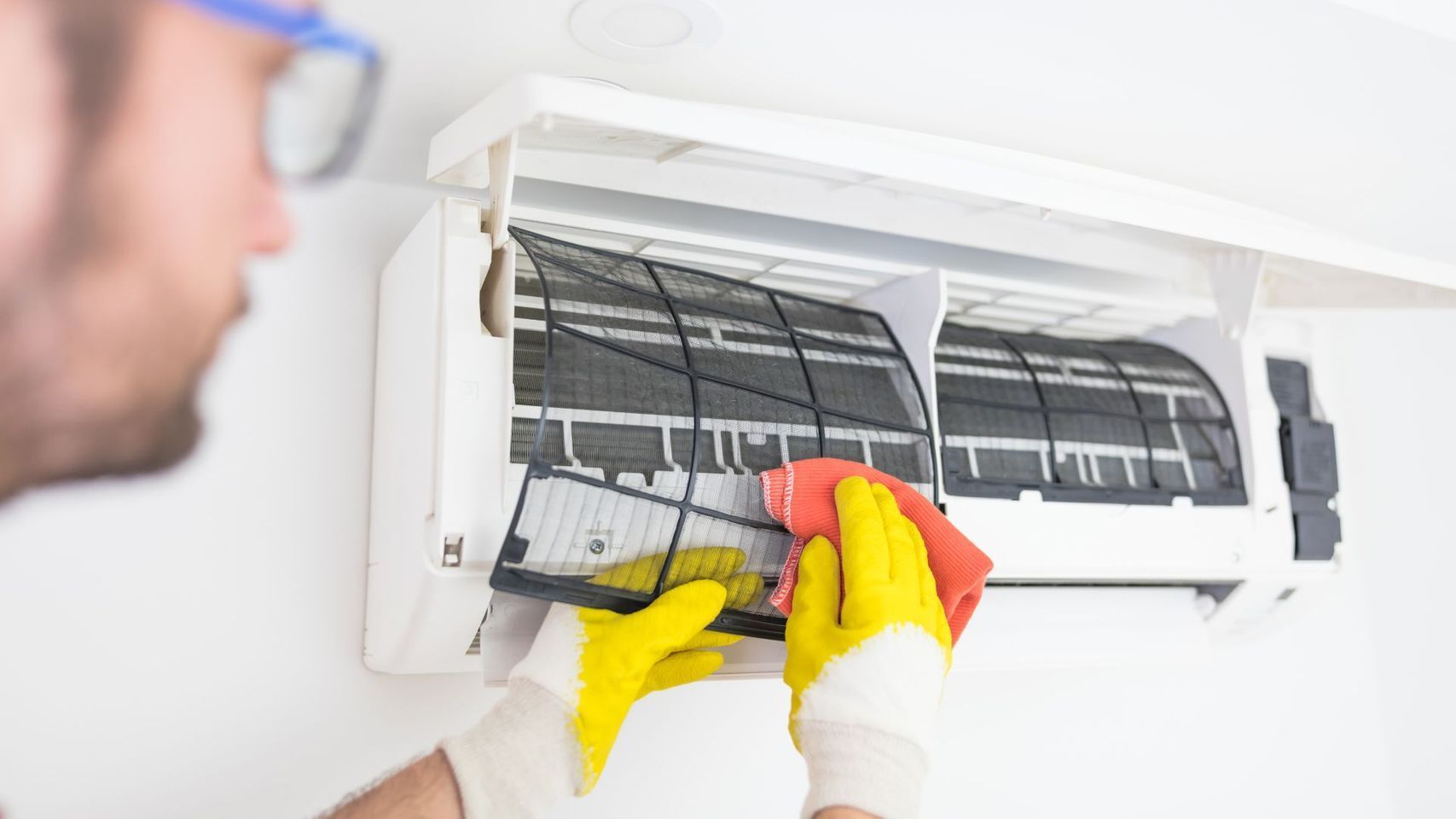
- Confirm filters are the correct size and type for the equipment.
- Inspect filters and replace them when their condition or pressure reading calls for it.
- Check accessible supply and return grilles for blockage.
- Inspect blower assemblies, fans, belts, and bearings where the system uses them.
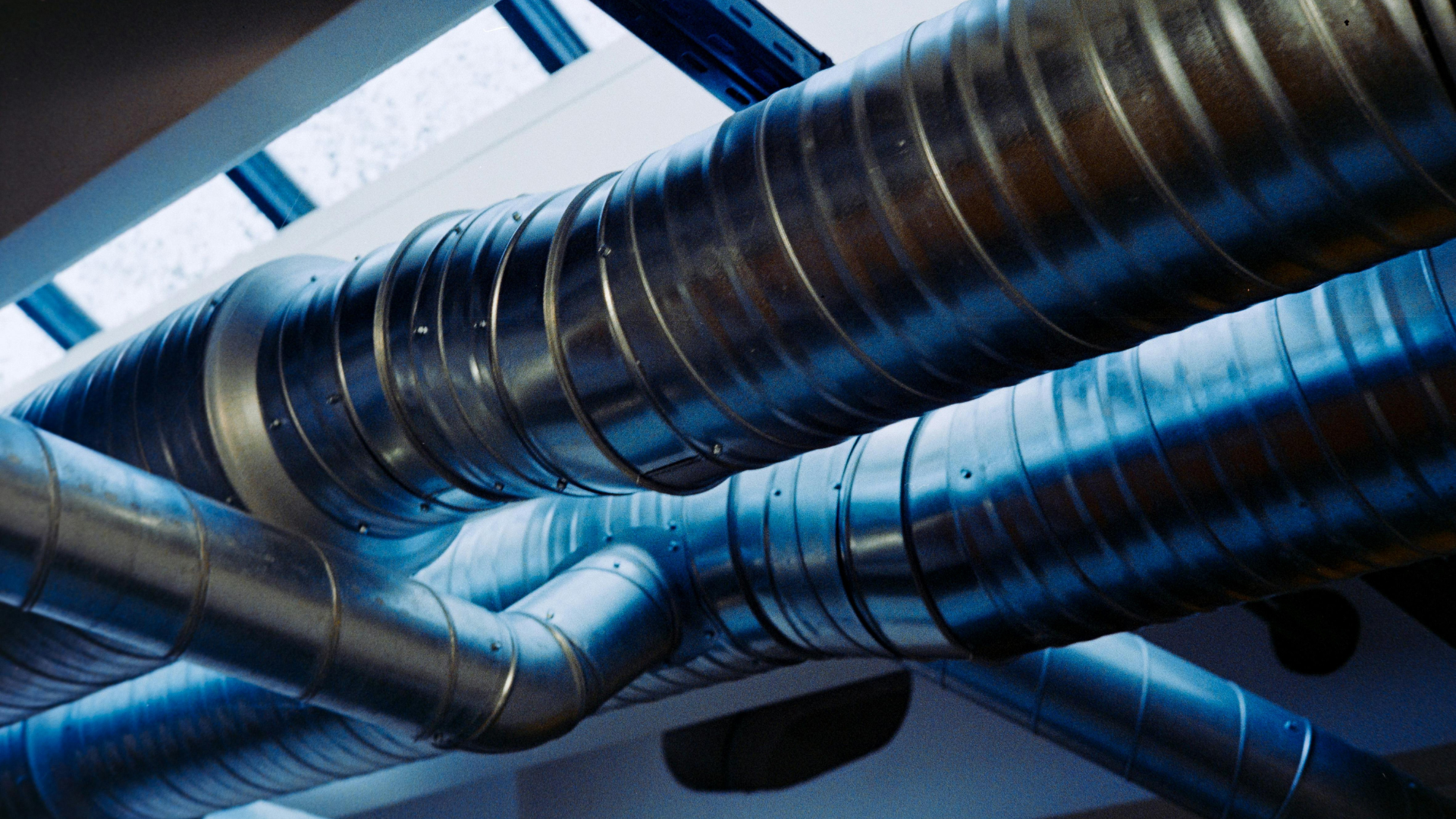
- Look for visible duct damage, loose insulation, or air leakage where accessible.
A higher-rated filter is not automatically the right choice for every system. Filter selection should suit the equipment and the building’s ventilation needs.
3. Check coils, condensate, and moisture control
- Inspect heating and cooling coils and clean them when needed.
- Check condensate pans, traps, and drain lines for blockage, standing water, or leaks.
- Look for water stains, corrosion, or moisture around the equipment.
- Confirm that condensate can drain as designed.
Filters, drain pans, controls, and ventilation components all play a role in building HVAC operation. EPA guidance also emphasizes equipment access so systems can be inspected and maintained.
4. Test heating and cooling operation
- Verify that heating and cooling cycles operate as intended.
- Inspect motors, fans, compressors, and other components relevant to the system.
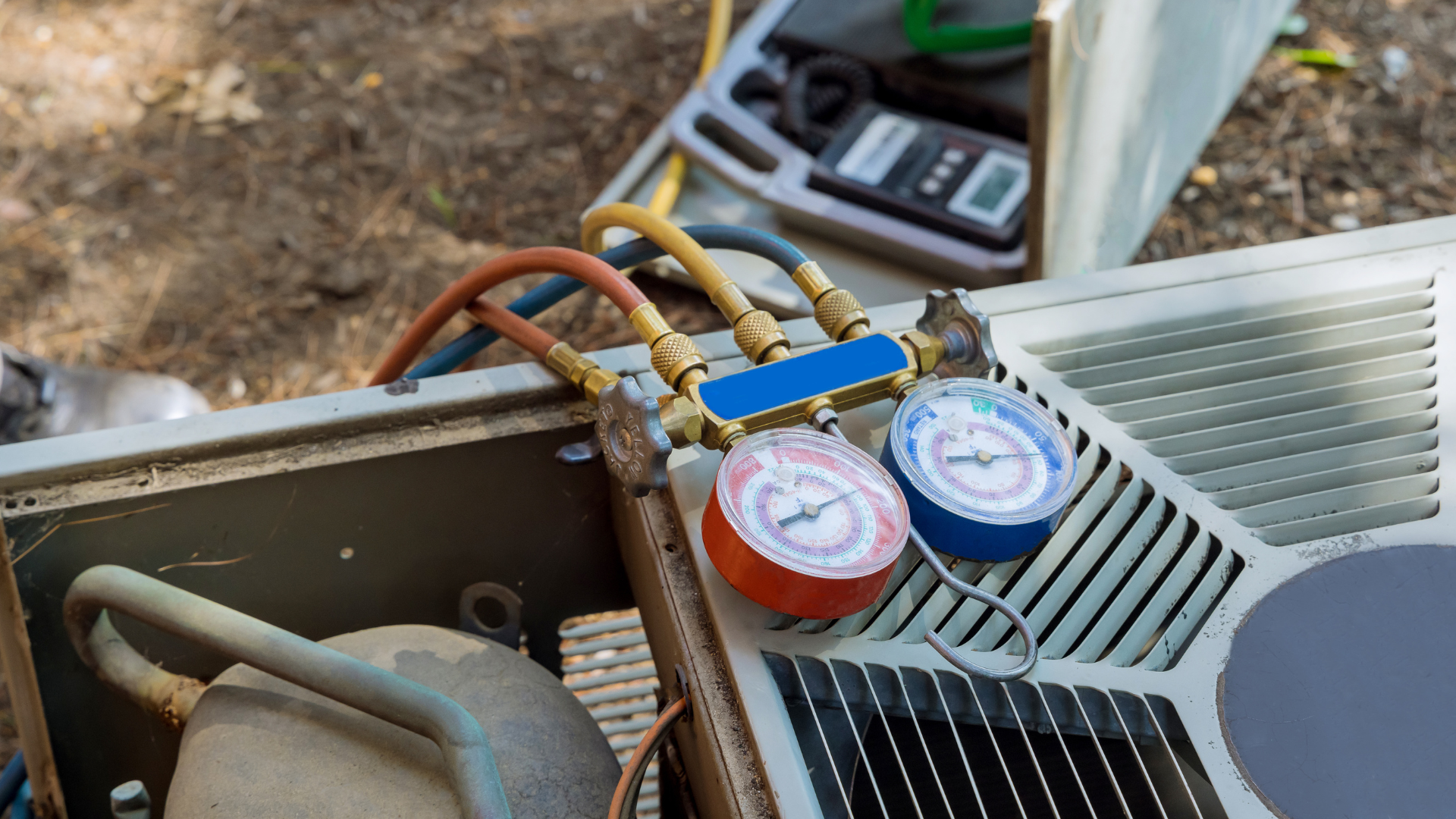
- Check the refrigerant circuit using procedures appropriate to the equipment.
- For fuel-burning equipment, inspect applicable ignition, burners, heat-exchanger condition, and venting.
- For heat pumps, check the operating sequence and defrost function where applicable.
- Test safety controls and review active fault codes.
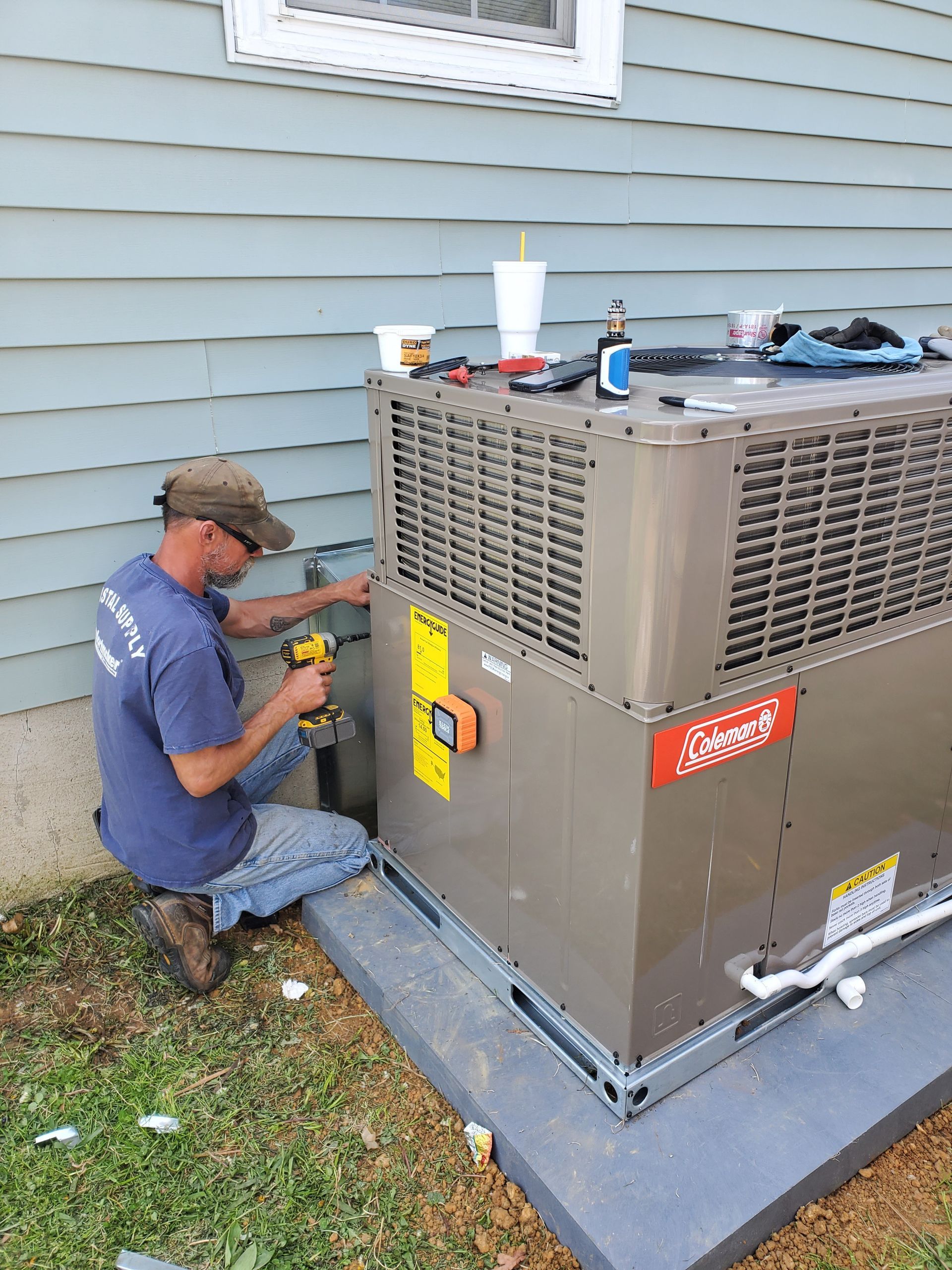
The exact inspection depends on whether the building uses a heat pump, furnace, rooftop package unit, split system, or another configuration.
5. Review controls and ventilation
- Check thermostat settings, schedules, sensors, and zone controls.
- Review building automation system alerts and schedules.
- Inspect outdoor-air dampers, economizers, exhaust systems, and air intakes where applicable.
- Confirm that controls respond to occupancy and building operating hours.
- Check that outdoor equipment and ventilation openings are clear of debris where it is safe to do so.
Ventilation settings should follow the system design and applicable building requirements. Avoid making unreviewed adjustments that could affect indoor air quality or building pressure.
6. Inspect electrical and mechanical components
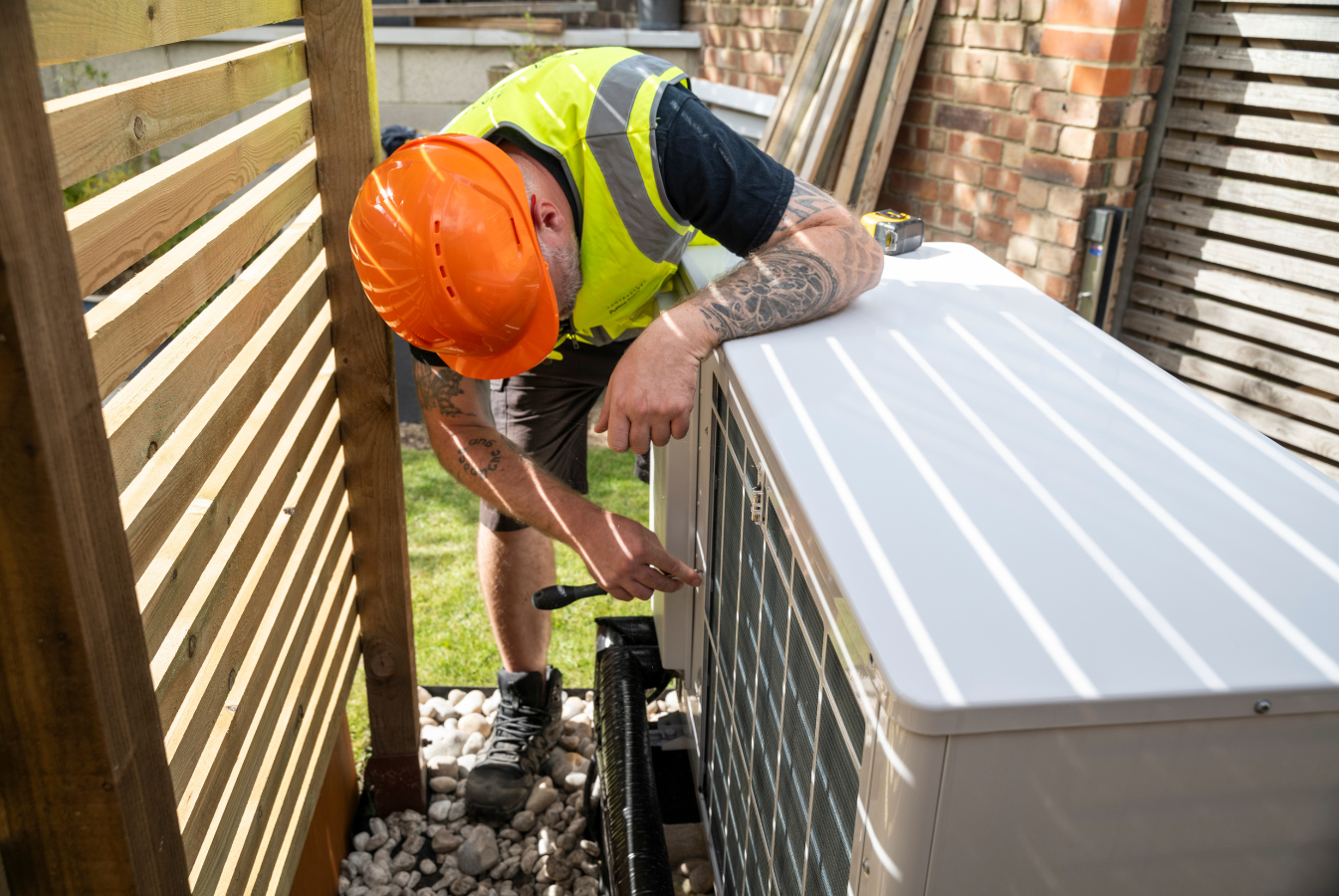
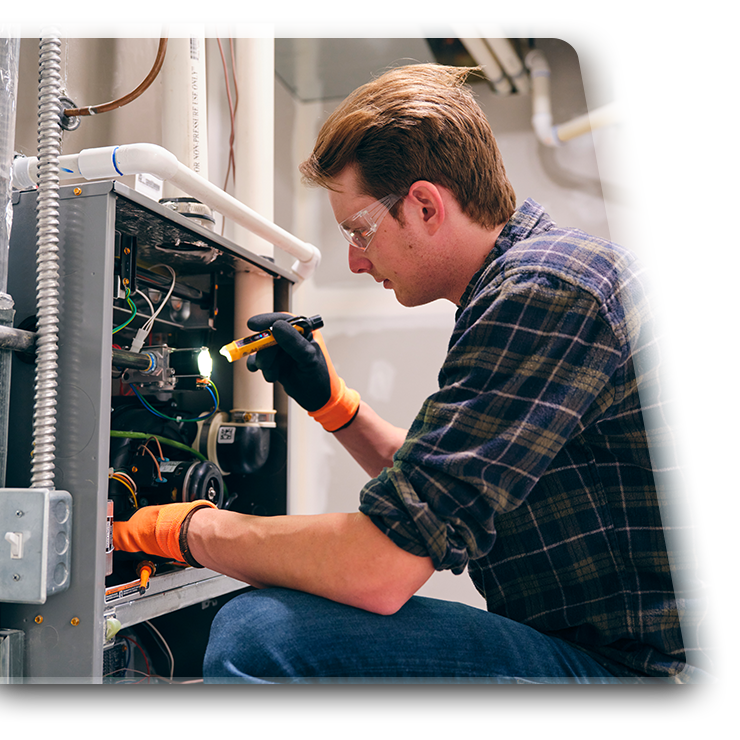
A qualified technician can inspect electrical connections, contactors, safeties, motors, and other system components as appropriate. They can also look for unusual vibration, noise, wear, loose panels, or signs of overheating. Building staff should not open electrical panels or attempt repairs unless trained and authorized.
7. Record findings and follow-up work
Ask for a service summary that identifies the equipment checked, work completed, recommended repairs, and any items that need follow-up. Keep those records with the building’s maintenance history so the next visit can account for previous findings.
What Building Staff Can Monitor Between Visits
Facility staff can help by keeping a simple log of comfort complaints, system alarms, unusual noise or vibration, visible water leaks, and changes in runtime or energy use. If the system has a filter pressure gauge or building automation alerts, follow the site’s procedures for monitoring them.
Keep equipment access areas clear, and report a change as soon as it appears. Avoid opening equipment panels, handling refrigerant, or attempting repairs outside your staff’s training and authorization.
How Often Should Commercial HVAC Maintenance Be Scheduled?
There is no single schedule that fits every commercial HVAC system. Follow the equipment manufacturer’s maintenance instructions and ask your service provider to account for system type, operating hours, building conditions, filter loading, and the importance of maintaining temperature in each area.
Some businesses plan professional checks before the main heating and cooling seasons, with additional inspections or filter checks based on building use. A restaurant, warehouse, office, or facility that operates around the clock may have different needs. A written schedule makes those responsibilities easier to track.
Signs Your Commercial HVAC System May Need Service
Consider scheduling an inspection if you notice:
- Uneven temperatures or repeated thermostat adjustments
- Reduced airflow or rooms that no longer reach their set temperature
- New rattling, buzzing, or vibration
- Water around indoor equipment or a blocked drain
- Persistent unusual odors
- Frequent alarms, short cycling, or repeated service calls
- A sudden change in energy use that cannot be explained by weather, occupancy, or operating hours
These signs can have different causes. A professional diagnosis can help determine whether the system needs maintenance, repair, or a larger evaluation.
Commercial HVAC Maintenance in the Tri-Cities
Phil’s Heating & Air provides commercial HVAC maintenance, repairs, and system evaluations for businesses in Johnson City, Kingsport, Bristol, Gray, and nearby Tri-Cities communities. Learn more about commercial HVAC services or preventive HVAC maintenance.
To discuss a maintenance plan for your building, contact Phil’s Heating & Air or call (423) 741-5459.
FAQ
Frequently-asked-questions
Does this checklist apply to every commercial HVAC system?
It covers common maintenance areas, but the exact tasks depend on the equipment, manufacturer instructions, building design, and how the space is used.
Can our maintenance staff complete the checklist?
Staff can monitor alarms, comfort complaints, and visible issues according to facility procedures. Internal inspections, electrical work, refrigerant service, and combustion checks should be handled by qualified personnel.
Does preventive maintenance prevent every HVAC breakdown?
No. Maintenance can help identify developing problems and keep service records current, but parts can still fail unexpectedly.
SHARE THIS BLOG POST
MORE HVAC TIPS & TRICKS
Related BLOG Articles




Repair vs. Replace Your HVAC System in 2026: The Hidden Costs East Tennessee Homeowners Need to Know