


BLOG ARTICLE
Heat Pump Frost and Steam: What Is Normal in East Tennessee?
Phil's Heating and Air
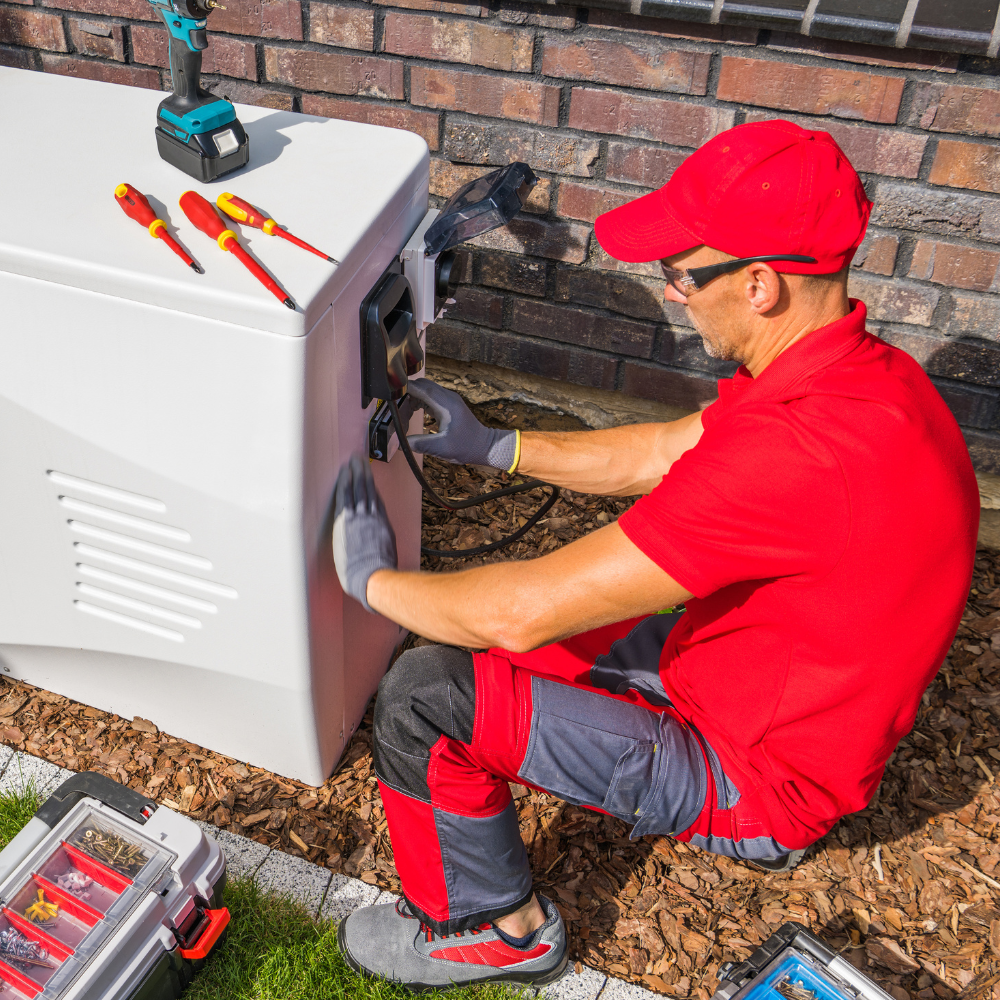
A light coating of frost and a brief cloud of white vapor can be normal when a heat pump is heating your home. The important question is whether the frost clears and normal heating returns. Ice that keeps growing, declining indoor temperature, or unusual mechanical noises deserves a service call.
On a chilly November morning in Gray, Johnson City, Kingsport, or Bristol, an outdoor unit can look surprisingly busy. Before assuming that steam means a breakdown, look at the whole sequence. This guide explains what to observe and what to tell your HVAC technician.
Why does a heat pump need to defrost?
During heating, the outdoor coil can be colder than the surrounding air. Moisture can freeze on that coil even when the outdoor temperature is above freezing. A defrost cycle temporarily warms the outdoor coil to remove that frost.
Trane's explanation of heat pump defrost describes several normal clues: white vapor, a brief change in sound, and an outdoor fan that pauses. Some systems also use supplemental heat during this process. The exact sequence and duration depend on the equipment and controls; your model's manual is the right reference.
What should you watch for?
A short event followed by normal heating
Note when the vapor starts, whether frost visibly clears, and whether your home continues to hold its thermostat setting. A photo from a safe distance can help if you later need service. There is no need to stand beside the unit or open a panel to watch it work.
Ice that stays or continues to build
A solid coating that does not clear is different from temporary frost. If the unit remains encased in ice or your home is losing heat, arrange an inspection. Trane's heat pump repair guide identifies persistent icing as a reason for professional attention.
Do not chip at the coil, pour boiling water on the equipment, cover the unit, or force a defrost cycle. Keep hands and tools away from the fan. If ice is contacting moving parts or you hear grinding, stop operation using the thermostat and call for guidance.
Smoke, sparks, or a burning smell
Do not label every cloud “normal steam.” Smoke, sparks, flames, or a strong burning odor require a different response. Keep away from the equipment; for an active fire, leave the area and call 911. Routine defrost guidance is not a reason to ignore signs of an electrical or fire emergency.
Make a service call more useful
When you contact Phil's Heating and Air, share these details:
- Whether the house is maintaining temperature or getting colder.
- When the frost or vapor appeared and whether it cleared.
- Any thermostat message, unusual sound, or recent change in operation.
- A photo of the outdoor unit and the model information, if already accessible.
A useful description might be: “The unit was frosty this morning, the vapor stopped, but the ice on one side is still growing and the house is below its setting.” Observations help the technician decide what to investigate; they do not identify a failed part on their own.
Heat pump defrost FAQs
Does frost mean the heat pump is too old?
No. Frost alone does not establish the system's condition or mean replacement is necessary. The ability to clear frost and maintain comfort matters more than one snapshot.
Should I switch to emergency heat whenever I see frost?
No. Normal defrost is automatic. Follow your equipment instructions and a technician's advice if the system has a fault; emergency heat is not a routine frost-removal setting.
What if I cannot tell whether it is operating normally?
Describe the symptoms to a professional rather than experimenting with controls. Phil's offers heat pump services in the Tri-Cities and can evaluate the next step.
Get help with a frosty heat pump
For a heat pump that stays iced up or struggles to heat your home, request service from Phil's Heating and Air or call (423) 741-5459. For broader seasonal preparation, use our East Tennessee HVAC maintenance checklist.
SHARE THIS BLOG POST
MORE HVAC TIPS & TRICKS
Related BLOG Articles











Repair vs. Replace Your HVAC System in 2026: The Hidden Costs East Tennessee Homeowners Need to Know