

BLOG ARTICLE
What Should You Do If Your Business Loses Heat or Air Conditioning?
Brandon Keen
How Can You Protect People and Operations While Arranging HVAC Service?
Quick Answer
If your business loses heat or air conditioning, first protect employees, customers, and anyone who may be affected by the indoor temperature. Check only basic thermostat or building-control settings if authorized, then contact a qualified HVAC provider. Follow your facility’s safety plan for temperature-sensitive work, inventory, or equipment, and avoid improvised heating methods that can create fire or carbon monoxide hazards.
1. Put People’s Safety First
If indoor conditions are becoming unsafe, move employees and customers to a more comfortable location, pause affected work, or follow your business’s relocation plan. Pay attention to people who may be more vulnerable to temperature extremes.
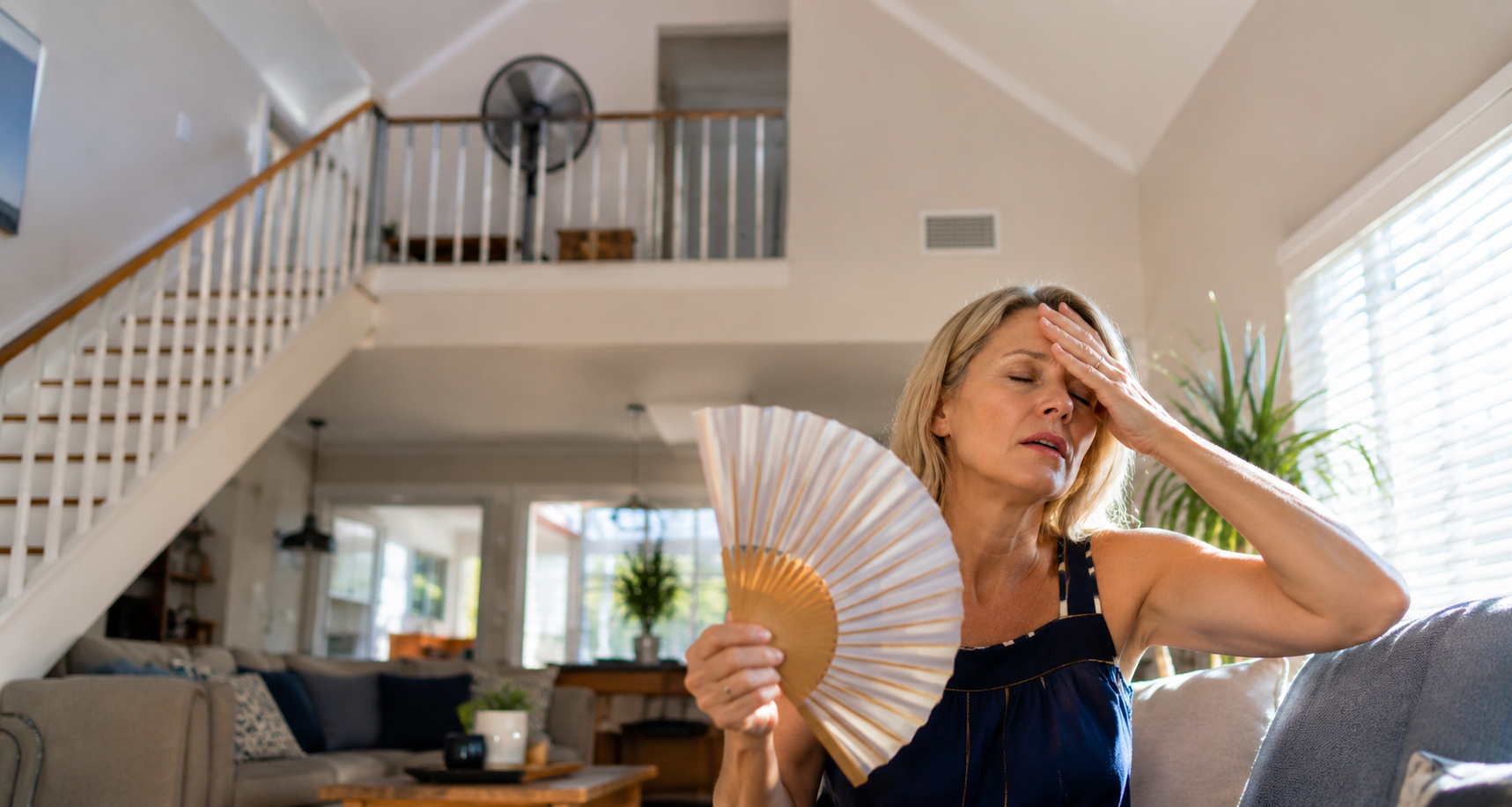
During extreme heat, don’t assume that a fan makes an overheated space safe. Fans move air but do not lower the room temperature. If anyone shows signs of heat-related illness, move them to a cooler area and seek medical help; call 911 for an emergency.
If a carbon monoxide alarm sounds or anyone has symptoms such as headache, dizziness, weakness, nausea, chest pain, or confusion, get everyone outside to fresh air and call 911. Do not re-enter until the building is cleared.
2. Check Only the Basics You’re Authorized to Check
A few simple checks may help identify an obvious control or power issue:
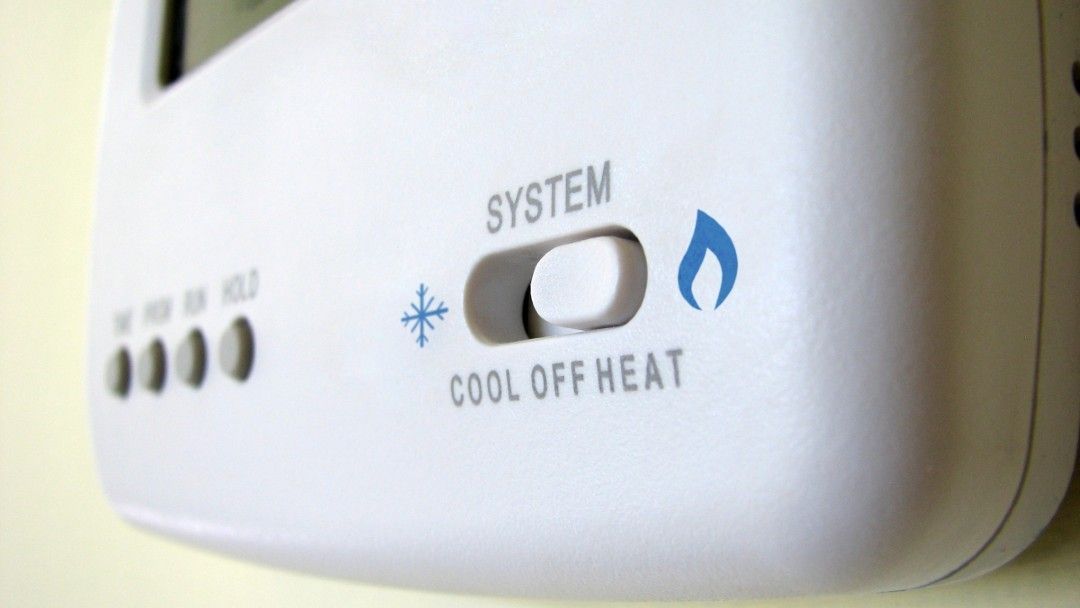
- Confirm the thermostat is on and set to the correct mode and schedule.
- Check whether the problem affects one zone or the entire building.
- Look for a visible equipment alarm or error code and note it.
- Check for a building-wide power outage or other electrical issue.
- Check a breaker only if you are authorized and it is safe to do so.
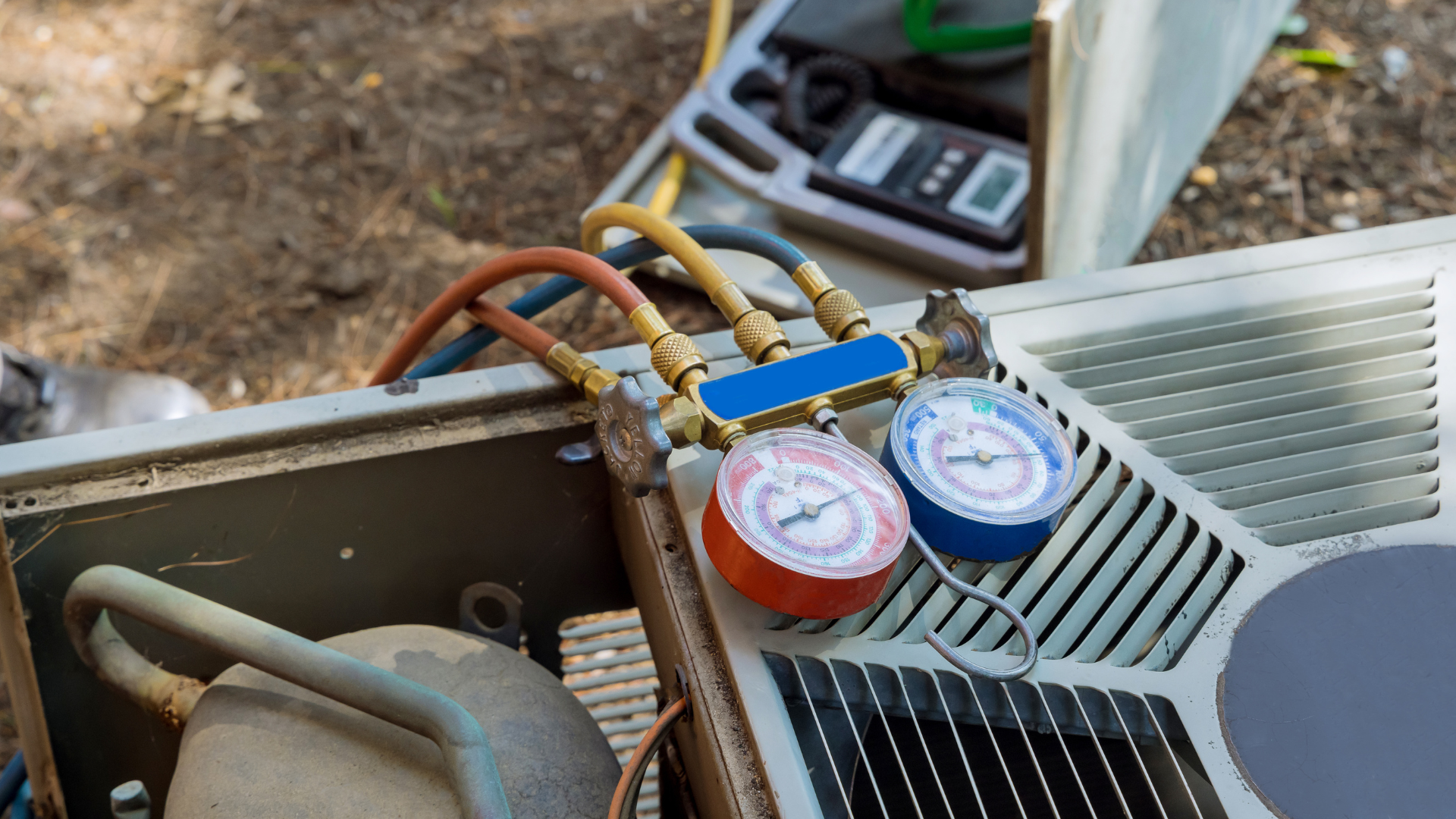
Do not open equipment or electrical panels, handle refrigerant, or repeatedly reset a breaker that trips again. Stop and call a qualified professional if you notice smoke, sparking, burning odors, or any other immediate hazard.
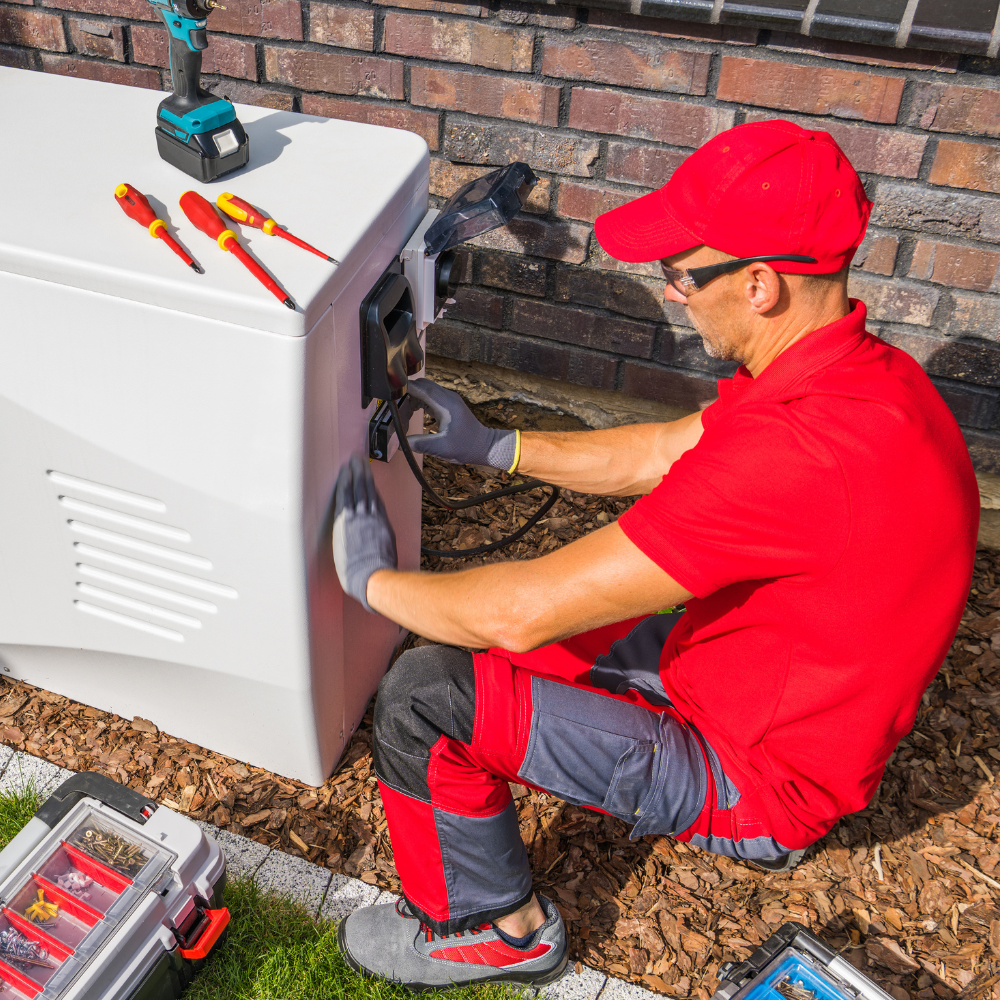
3. Call a Commercial HVAC Provider
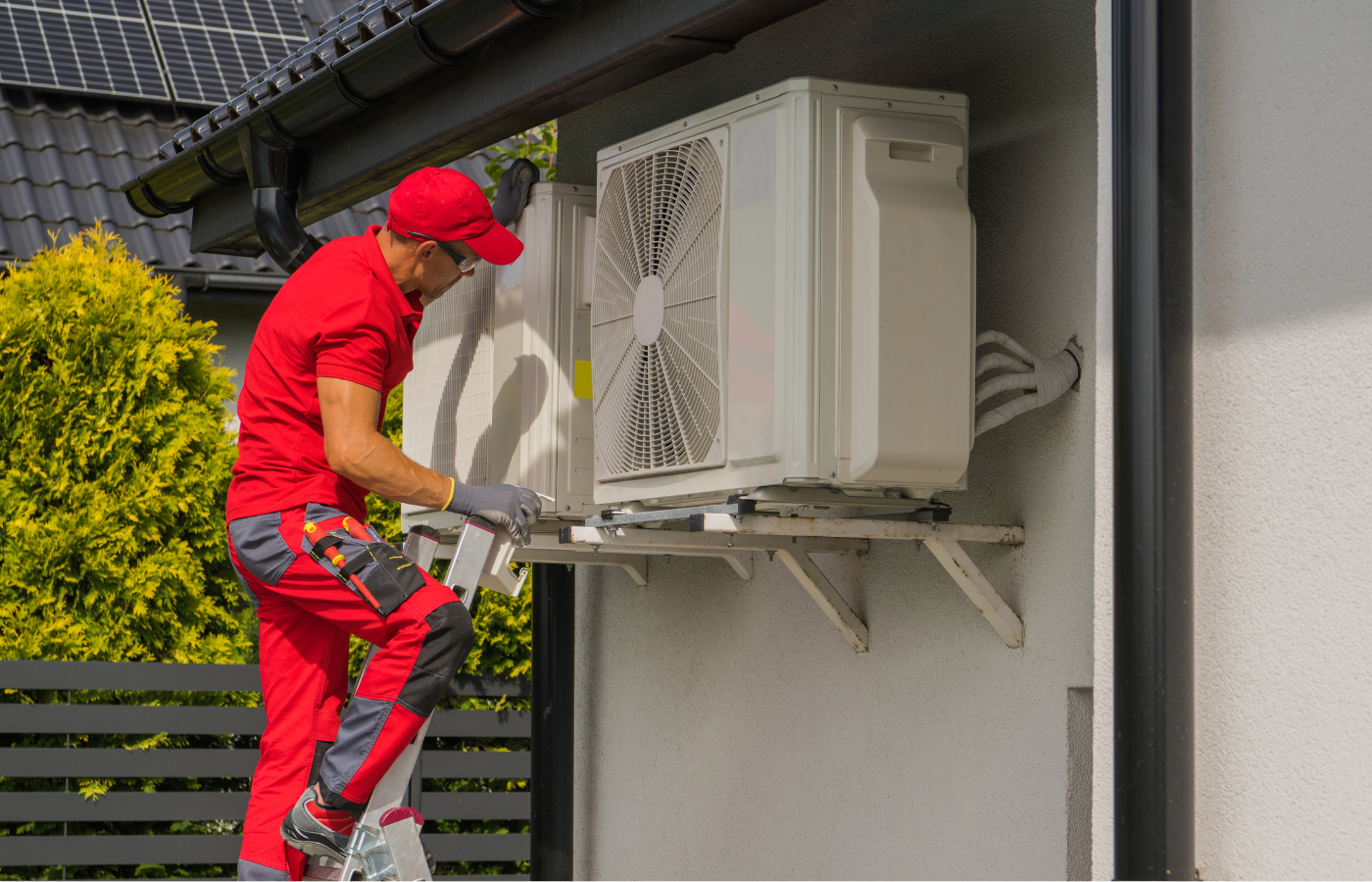
When you contact a technician, share details that can help direct the service call:
- Whether the building has lost heat, cooling, or both
- When the problem started
- Which rooms or zones are affected
- Any thermostat messages, alarms, or error codes
- Unusual sounds, odors, or visible water
- Recent power interruptions or changes to the building schedule
- Any temperature-sensitive equipment, inventory, or work areas
Keep equipment locations accessible and identify a building contact who can meet the technician or provide access.
4. Limit Temperature and Property Problems While You Wait
Follow your facility’s emergency plan, especially if you manage food, medical supplies, technology, or other temperature-sensitive items. Use approved monitoring and follow the requirements that apply to your operation.
If the building is too warm, shading sun-facing windows may help reduce additional heat. Opening windows depends on outdoor temperature and air quality; it may not be helpful when the air outside is hotter or polluted. If indoor conditions continue to rise, relocate people to a cooler place rather than relying on fans alone.
If the building is too cold, move people away from unheated areas and follow your plan for protecting plumbing, products, and equipment. Never use a gas oven, grill, generator, or outdoor-rated fuel-burning appliance to heat an indoor space. Use only heating equipment approved for the intended indoor application and follow its instructions and your facility’s fire-safety procedures.
5. Ask What Caused the Outage
Once the system is running again, ask the technician what caused the failure and whether any follow-up work is recommended. Keep the service report with your maintenance records. If the issue involved a control, drain, filter, motor, or recurring fault, ask how your building team should monitor it and when it should be checked again.
A commercial HVAC maintenance plan can help your team track service and identify changes before the next period of heavy heating or cooling demand.

When Should You Relocate or Pause Operations?
Consider moving people or pausing affected work if the building’s temperature is becoming unsafe, if an area supports temperature-sensitive operations, or if there is a suspected fire, electrical, gas, or carbon monoxide hazard. Follow your organization’s emergency procedures and applicable industry requirements.
A temporary service interruption can be inconvenient, but continuing work in unsafe conditions can put people and property at risk.
Commercial HVAC Emergency Service in the Tri-Cities
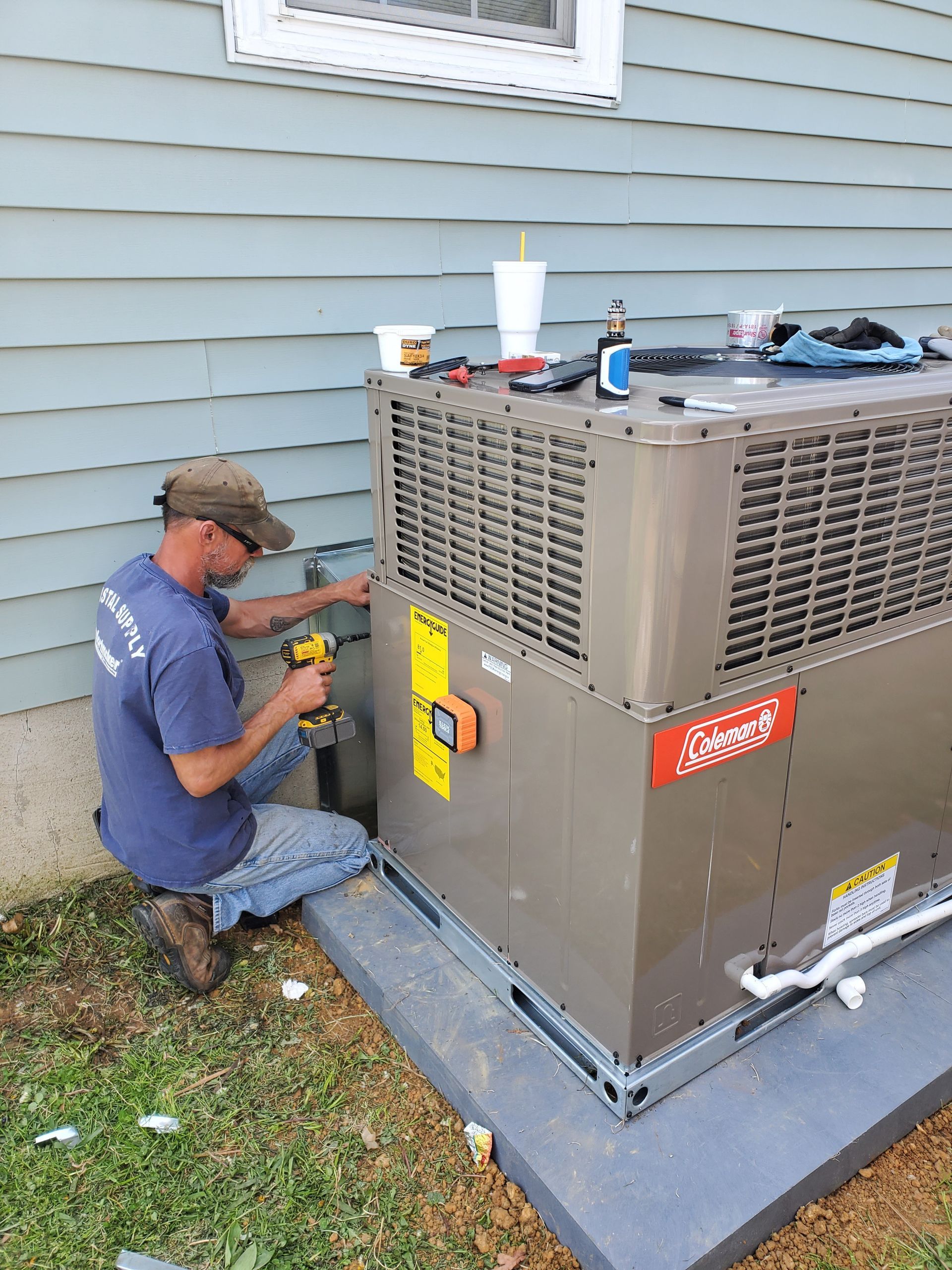
Phil’s Heating & Air provides commercial HVAC repair and replacement services for businesses in Johnson City, Kingsport, Bristol, Gray, and nearby Tri-Cities communities. For urgent service, contact Phil’s Heating & Air or call (423) 741-5459. You can also learn more about commercial HVAC repair and replacement.
FAQ
FREQUENTLY-ASKED-QUESTIONS
Should I keep turning the thermostat down or up?
Set it to the intended mode and a reasonable target, then check whether the system responds. Repeatedly changing the setpoint may not address the cause of the outage.
Should we open windows if the air conditioning stops?
It depends on outdoor temperature and air quality. Opening windows may help in some conditions, but can bring in hotter or polluted air. Follow your building’s ventilation and safety procedures.
Can we use a portable heater or generator indoors?
Never use a generator indoors. Do not use a gas oven, grill, or outdoor-rated fuel-burning appliance for heat inside a building. Any indoor heating equipment should be approved for that use and operated according to its instructions and facility rules.
How quickly can a technician arrive?
Response time depends on location, call volume, and the problem. When you call, explain that it is a commercial outage, which areas are affected, and whether there are safety or temperature-sensitive concerns.
SHARE THIS BLOG POST
MORE HVAC TIPS & TRICKS
Related BLOG Articles




Repair vs. Replace Your HVAC System in 2026: The Hidden Costs East Tennessee Homeowners Need to Know