

BLOG ARTICLE

Does Your New HVAC System Need New Ductwork?

Brandon Keen

September 11, 2026

When Existing Air Ducts Can Stay, and When They Could Hold Back Your New System

Quick Answers

Does a new HVAC system always need new ductwork? No. Existing ductwork can often remain when it is properly sized, well-sealed, correctly arranged, and in good physical condition. It should be inspected before the new equipment is selected and installed.


Can old ductwork affect a new HVAC system? Yes. Leaks, restrictions, poor insulation, damaged sections, and incorrect sizing can reduce airflow and make it harder for new equipment to heat or cool the property evenly.


Can ductwork be repaired instead of replaced? Often, yes. Sealing accessible leaks, reconnecting loose sections, replacing damaged runs, adding insulation, or modifying specific areas may correct the problem without replacing the entire duct system.


When is full ductwork replacement more likely? Replacement may make sense when the ducts are extensively damaged, poorly designed, severely undersized, contaminated by unresolved moisture problems, or incompatible with the new system and building layout.


Your New HVAC System Still Has to Deliver the Air

A new HVAC system can be quieter, more efficient, and much more dependable than the equipment it replaces. But it still has to move conditioned air through the building.


That is where the ductwork comes in.


Think of the HVAC unit as the heart, and the ducts act as the circulation system. A strong new heart is helpful, but the whole system still needs clear, properly sized pathways to do its job.


If the ducts leak, restrict airflow, or fail to reach important areas, even excellent new equipment may struggle to deliver the comfort you expected. You could end up with a brand-new system and the same old problem room glaring at you from the other end of the hallway.


That does not mean every HVAC installation needs complete ductwork replacement. It means the duct system deserves an inspection before the equipment is selected and the proposal is finalized.


When Can Existing Ductwork Be Reused?

Existing ducts may work perfectly well with a new HVAC system when they meet several basic requirements.


The ducts are appropriately sized. The supply and return system must support the airflow required by the selected equipment. A duct system that worked with the old unit should still be evaluated rather than assumed to be compatible.


The layout still fits the property. The ducts should serve the rooms, zones, or work areas that currently need heating and cooling. Renovations and changes in building use can alter those needs.


The ductwork is physically sound. Sections should not be crushed, collapsed, disconnected, heavily corroded, or damaged by moisture, pests, construction, or years of being used as an attic obstacle course.


Connections are properly sealed. Conditioned air should arrive at the intended vents instead of escaping into an attic, crawlspace, ceiling cavity, or mechanical room.


The ducts are appropriately insulated. Ductwork running through unconditioned areas may require insulation to limit unwanted heat gain, heat loss, and condensation.


The return-air system is adequate. Delivering air is only half the trip. The system also needs a suitable path for air to return to the equipment.

If the existing ducts satisfy these requirements, replacing them simply because the HVAC unit is new may add cost without delivering meaningful value.


Phil’s Heating & Air can evaluate the equipment and its air-delivery system as part of planning a new HVAC system installation.


How Can Bad Ductwork Affect New HVAC Equipment?

New equipment cannot force a poorly designed duct system to cooperate through sheer enthusiasm.


A duct problem may contribute to:

  • Weak airflow at certain vents.
  • Rooms or work areas that remain too warm or too cold.
  • Excessive air noise or whistling.
  • Longer operating times.
  • Frequent cycling.
  • Difficulty controlling humidity.
  • Higher energy use than expected.
  • Unnecessary strain on the blower and other components.
  • Pressure imbalances within the building.


These symptoms do not prove the ductwork needs complete replacement. Filters, equipment settings, controls, insulation, building leakage, and other HVAC components can produce similar problems.


That is why testing matters. The goal is to identify the restriction, leakage, sizing problem, or design issue before recommending the fix.

A diagnosis beats an expensive guessing game every time.


How Much Air Can Leaky Ductwork Waste?

According to ENERGY STAR’s duct-sealing guidance, a typical house can lose approximately 20% to 30% of the air moving through its duct system because of leaks, holes, and poorly connected ducts.


That figure applies to a typical residential example; it should not be treated as the measured leakage rate for every home or commercial building. Actual performance depends on the duct system, pressure, location, construction, and condition.


The practical point is simple: if conditioned air escapes before reaching the occupied space, the HVAC system must work harder to provide the comfort you requested.


Leaks outside the conditioned area can be particularly wasteful because the heating or cooling you paid for may end up in the attic, crawlspace, or another area nobody intended to condition.


Should Ductwork Be Sealed, Modified, or Replaced?

The correct recommendation depends on the extent and cause of the problem.


Duct sealing may be enough when the system is properly sized and arranged but has accessible leaks or loose connections. Appropriate sealants and installation methods matter. The product commonly called “duct tape” is not the professional answer to every duct problem, despite an admittedly excellent marketing name.


Targeted repairs may be enough when only a few sections are damaged, kinked, disconnected, or poorly supported.


Duct modifications may be appropriate when the system needs additional return-air capacity, resized runs, improved transitions, balancing adjustments, or changes to serve a remodeled area.


Full ductwork replacement may make sense when problems affect much of the system, the layout is fundamentally wrong, or the existing ducts cannot reasonably support the new equipment.


The most expensive option should not be the automatic recommendation. The least expensive option should not be automatic either. The right scope is the one that addresses the actual problem and supports the HVAC installation you are paying for.


Does New HVAC Equipment Require Different Airflow?

It can. New equipment may have different airflow requirements, blower capabilities, capacities, staging, or control strategies from the system it replaces. Even when the nominal equipment size appears similar, the ductwork should be checked for compatibility.


For residential and light-commercial projects, recognized HVAC design practices connect the building load, equipment selection, and duct design. The Air Conditioning Contractors of America identifies Manual J, Manual S, and Manual D among its technical standards for calculating residential loads, selecting equipment, and designing duct systems.


You do not need to become an HVAC engineer before requesting an estimate. You should expect the installer to consider how the equipment and duct system work together.


Putting in a larger unit and hoping the existing ducts “figure it out” is not much of an installation strategy.

Row of large gray outdoor HVAC units beside a white building and green lawn

Do Bigger HVAC Systems Need Bigger Ducts?

Sometimes. But installing a bigger system is not automatically the correct solution.


Equipment should be selected according to the property’s heating and cooling requirements. An oversized HVAC system may cycle too frequently, create temperature swings, and provide less effective humidity control. If the ductwork cannot handle the required airflow, a larger unit may also increase noise and pressure problems.


If a load evaluation shows that the building needs more capacity, the duct system may require changes to support it. That could include larger supply or return ducts, revised transitions, additional returns, or a different zoning strategy.


The answer should come from the building’s needs and the equipment requirements, rather than the theory that bigger equipment must be better.

Our Yeti may be a heavyweight. Your HVAC system does not need to be.


What Are the Signs Your Ductwork Needs Attention?

Ask for a ductwork evaluation before or during HVAC replacement if you notice:

  • Certain rooms never reach the desired temperature.
  • Airflow is noticeably weaker at some vents.
  • The ducts bang, rattle, whistle, or vibrate.
  • Flexible ducts are kinked, crushed, or sagging.
  • Visible duct sections have gaps, corrosion, or damaged insulation.
  • Dust or insulation appears around registers.
  • Utility use seems unusually high after accounting for weather and rates.
  • The building has been remodeled without corresponding HVAC changes.
  • The existing system has always struggled with comfort.
  • Moisture or condensation appears on or around the ducts.
  • The equipment has airflow-related service problems.
  • Supply or return paths have been blocked by renovations, furniture, or construction.


These signs can point toward duct issues, but they can also have other causes. Inspection and testing help separate an air-delivery problem from an equipment, control, or building-envelope issue.


What Should Be Checked Before an HVAC Installation?

A useful pre-installation assessment may include:

  • The size and condition of accessible supply ducts.
  • The size and condition of the return-air system.
  • Visible leaks and disconnected joints.
  • Damaged, compressed, or poorly supported sections.
  • Insulation in attics, crawlspaces, and other unconditioned areas.
  • Airflow at registers.
  • Pressure conditions within the HVAC system.
  • Equipment requirements and manufacturer specifications.
  • Room-by-room comfort complaints.
  • Changes to the property since the existing system was installed.
  • Areas that may need balancing, zoning, or added capacity.


Not every property requires the same tests or scope. A small residential changeout and a multi-zone commercial HVAC installation are very different projects.


The proposal should clearly state whether the existing ductwork will remain, what modifications are included, and whether any concealed conditions could affect the final scope.


What About Commercial HVAC Ductwork?

Commercial ductwork carries the same basic responsibility, moving air where it is needed, but the projects can become considerably more complex.


Offices, restaurants, retail spaces, churches, medical facilities, warehouses, and manufacturing buildings can have different occupancy patterns, ventilation requirements, heat sources, operating schedules, and pressure relationships.


A commercial HVAC installation may require evaluating:

  • Building use and occupancy.
  • Current and planned floor layouts.
  • Supply, return, and outside-air requirements.
  • Multiple zones and control strategies.
  • Ceiling space and service access.
  • Fire, smoke, and balancing components.
  • Heat produced by people, lighting, kitchens, machinery, or processes.
  • Hours of operation.
  • Areas that cannot tolerate an interruption.
  • Coordination with electrical, roofing, structural, and construction work.


Existing commercial ductwork may be retained, repaired, expanded, rebalanced, or replaced depending on the project. PHA provides commercial ductwork services and commercial HVAC solutions throughout the Tri-Cities and surrounding East Tennessee region.


For manufacturing facilities, warehouses, and other large properties, explore PHA’s industrial HVAC services.


Can Ductless HVAC Avoid Ductwork Replacement?

In some situations, a ductless mini-split system can serve an addition, converted space, isolated problem area, or property where installing traditional ducts would be impractical.


That does not make ductless equipment the right answer for every home or business. The number of zones, building layout, appearance, heating and cooling load, maintenance needs, and project budget should all be considered.


A ductless solution may supplement an existing central system, serve a specific area, or replace traditional equipment in an appropriate property. It should still be selected and installed around the building’s actual needs.


What Determines the Cost of New Ductwork?

Ductwork replacement does not have one reliable flat price because the labor and materials depend heavily on the property.


Major cost factors include:

  • The size of the home or commercial building.
  • The amount and type of ductwork required.
  • Accessibility through attics, ceilings, crawlspaces, or mechanical rooms.
  • The number of supply and return runs.
  • Demolition and reconstruction requirements.
  • Insulation needs.
  • Zoning and control changes.
  • Custom sheet-metal fabrication.
  • Work performed in an occupied business.
  • Permits, testing, and balancing requirements.
  • Removal and disposal of old materials.


A lower ductwork quote may cover fewer repairs, less insulation, or a more limited installation scope. Compare what each proposal includes before comparing the final totals.


You want the number at the bottom of the page to be competitive. You also want the air to reach the room after everyone goes home.


Questions to Ask Before Approving the Installation

Before signing a proposal, ask:

  1. Can my existing ductwork support the proposed equipment?
  2. Were the supply and return systems both evaluated?
  3. Did you find leaks, restrictions, or damaged sections?
  4. Can the problems be repaired, or is replacement recommended?
  5. Which duct modifications are included in the price?
  6. Will the system be checked or balanced after installation?
  7. Could concealed duct problems change the scope?
  8. How will the installation affect occupied areas?
  9. Are insulation, permits, disposal, and access work included?
  10. What comfort or airflow problems should this proposal correct?


Clear answers make it easier to compare estimates and understand the value behind each recommendation.

FAQ

Frequently Asked Questions About New HVAC System Ductwork

  • Can I install a new HVAC system using old ductwork?

    Yes, existing ductwork can often be reused when it is in good condition, properly sealed, correctly sized, and compatible with the new equipment. It should be evaluated before installation.

  • How old is too old for ductwork?

    There is no universal age that automatically requires replacement. Materials, installation quality, environmental conditions, physical damage, leakage, and building changes matter more than age alone.

  • Will new ductwork make my HVAC system more efficient?

    Properly designed and sealed ductwork can help the system deliver conditioned air more effectively. Actual energy savings depend on the previous duct condition, equipment, building, climate, operating habits, and utility rates.

  • Can I replace the HVAC unit now and repair the ducts later?

    Sometimes, but identified airflow or duct problems should be considered before equipment selection. Delaying necessary modifications could affect comfort and system performance from the beginning.

  • Does uneven temperature always mean the ducts are bad?

    No. Uneven temperatures can also involve equipment sizing, controls, insulation, windows, air leakage, solar exposure, or building use. A proper assessment should identify the cause.

  • Does every commercial HVAC replacement require new ductwork?

    No. Some commercial systems can connect to existing ducts with limited modifications. Other projects require major changes because of equipment requirements, renovations, building use, or problems within the existing air-delivery system.

Plan the Equipment and Ductwork Together

A new HVAC system does not automatically require new ductwork. It does require an honest look at the ducts already in place.


If the existing system is properly sized, sealed, insulated, and arranged, keeping it may be the best value. If it cannot deliver the airflow the new equipment needs, repairing or replacing the problem areas can protect the value of your installation and improve comfort throughout the property.

Phil’s Heating & Air helps homeowners, businesses, and industrial facilities throughout Gray, Johnson City, Kingsport, Bristol, Jonesborough, and the surrounding Tri-Cities plan complete HVAC solutions.


We will explain what can stay, what needs attention, and why. Request your HVAC installation assessment or call (423) 741-5459.  Your new HVAC system should come with better comfort—not a brand-new excuse for the same old hot room.

(423) 741-5459

SHARE THIS BLOG POST

MORE HVAC TIPS & TRICKS

Related BLOG Articles
Two men inspect a large rooftop HVAC unit on a building roof with mountains in the background
By Brandon Keen September 11, 2026
Buying a commercial rooftop HVAC unit? Learn about sizing, efficiency, installation costs, and replacement planning for your Tri-Cities business.
Man on rooftop in navy shirt, hand on chin, with damaged HVAC units and a thought bubble saying “Another repair?”
By Brandon Keen September 11, 2026
Repair or replace your commercial HVAC? Compare costs, efficiency, downtime, and long-term value with Phil’s Heating & Air in the Tri-Cities.
Two workers inspect rooftop HVAC equipment at dusk, with mountains in the background.
By Brandon Keen August 6, 2026
Learn what your commercial HVAC maintenance agreement should include to reduce downtime, control costs, protect equipment, and plan repairs across your facility.
Couple reviewing documents at a kitchen table beside a home air conditioner unit.
By Brandon Keen August 5, 2026
Compare HVAC replacement quotes in the Tri-Cities, uncover missing scope, evaluate warranties, and find the best price on your ideal heating and cooling system.
Man sitting on a couch, holding his head and looking stressed while checking his phone in a living room
By Brandon Keen July 7, 2026
Is your AC running constantly? Learn the common causes, when to call for HVAC repair, and how Phil's Heating & Air keeps Tri-Cities homes cool.
Home energy efficiency with heating and cooling gauge, house, solar panels, and bills under bright sun
By Brandon Keen July 6, 2026
Wondering why your electric bill is so high this summer? Discover 7 common causes, how to lower cooling costs, and improve HVAC efficiency in East TN.
Hand holding a phone with a 72° thermostat app beside a wall-mounted smart thermostat and outdoor AC unit
By Brandon Keen June 9, 2026
Discover how smart HVAC systems, thermostats, and modern heating and cooling technology improve comfort, efficiency, and energy savings.
Worker kneeling beside a furnace in a framed house under construction, installing HVAC ductwork.
By Brandon Keen June 9, 2026
Building a new home? Phil’s Heating & Air provides new construction HVAC installation, ductwork, and contractor partnerships across the Tri-Cities.
Outdoor air conditioner beside a thermometer showing hot temperatures in a sunny yard
By Brandon Keen May 14, 2026
Learn why HVAC systems fail during East Tennessee heat waves, common warning signs, repair vs replace tips, and how to prevent breakdowns.
Woman fanning herself on a bright sofa in a sunlit living room
By Brandon Keen May 14, 2026
Why is your upstairs hotter than downstairs? Learn common HVAC causes, repair options, and cooling solutions for East Tennessee homes.
A split image showing an old, costly HVAC unit and a new, money-saving, energy-efficient HVAC unit
By Brandon Keen April 15, 2026
Upgrade to a high-efficiency HVAC system in 2026. Learn how modern AC units outperform old systems and lower energy costs in East Tennessee homes.
Split image showing rising HVAC costs on the left and a piggy bank with a house unit on the right, representing savings.
By Brandon Keen April 14, 2026
HVAC replacement costs are rising in 2026. Learn why prices are increasing and why now is the best time to install a new AC system before costs go higher.
Split-screen showing an old HVAC system causing financial stress versus a new, efficient unit with smart home features.
By Brandon Keen April 14, 2026
Should you repair or replace your HVAC system? Learn the real costs, warning signs, and when East TN homeowners should upgrade before summer heat hits.
A technician with a clipboard stands smiling next to two Daikin air conditioning units in a lush, green outdoor setting.
By Phil Allen March 24, 2026
Save big on HVAC upgrades with TVA rebates and GreenSky financing. Upgrade now, pay over time, and enjoy 12-year warranty protection from Phil's Heating & Air.
A happy family of four sitting around a table set for tea with white flowers in the foreground.
By Brandon Keen March 12, 2026
Residential HVAC replacement guide for homeowners. Learn when to upgrade your HVAC system, reduce energy bills, and improve comfort with modern systems.
Two technicians in safety gear and hard hats work on large industrial cooling fans atop a rooftop under a blue sky.
By Brandon Keen March 12, 2026
Industrial HVAC systems for manufacturing facilities in the Tri-Cities. Improve airflow, energy efficiency, and climate control with expert HVAC installation.
A technician in a yellow shirt and red cap uses a diagnostic tool to check a wall-mounted boiler.
By Brandon Keen March 12, 2026
Learn the real cost of skipping HVAC preventive maintenance in East Tennessee. Reduce energy bills, prevent breakdowns, and extend system life with routine service.
Construction workers install rooftop air conditioning units with a crane in a city setting.
By Brandon Keen February 6, 2026
Know when to replace your commercial HVAC system, plan upgrades, reduce downtime, and cut energy costs with this step-by-step replacement checklist.

Cross-section of an office building showing HVAC system. Red lines indicate heat, blue indicates cooling. People are working.
By Brandon Keen February 6, 2026
HVAC zoning solutions for mixed-use buildings improve tenant comfort, reduce energy costs, and give landlords better control over heating and cooling efficiency.
HVAC equipment with SEER, AFUE, HSPF energy efficiency ratings; cooling unit, furnace, thermostat, and blueprints.
By Brandon Keen December 30, 2025
Understand SEER, AFUE, and HSPF HVAC ratings to improve comfort, lower energy bills, and choose the right high-efficiency system with Phil’s Heating & Air.
Modern, multi-story building entrance with glass doors, balconies, and manicured hedges; dusk setting.
By Brandon Keen December 30, 2025
Improve comfort in multi-story homes with HVAC zoning. Reduce hot and cold spots, boost efficiency, and save money with Phil’s Heating & Air experts.
Inside a large warehouse with loading docks, blue-toned. A semi-trailer truck is parked near one of the docks.
By Brandon Keen December 5, 2025
Industrial HVAC installations in Johnson City & the Tri-Cities designed for manufacturing, production, and large facilities. Improve efficiency and save!
Film studio exterior with several buildings, some vehicles, and trees.
By Brandon Keen December 5, 2025
Commercial HVAC changeouts in Johnson City & the Tri-Cities help businesses cut energy costs and improve performance. Upgrade your system with Phil’s Heating & Air.
Industrial cooling towers with pipes and a fan.
By Brandon Keen November 7, 2025
Morristown, TN industrial HVAC services that reduce downtime, improve efficiency, and protect manufacturing operations with proactive maintenance. Call 423-741-5459.
Outdoor Daikin heat pump unit in snow beside a house, with a large fan grille and dark casing

By Brandon Keen November 7, 2025
Lower your winter heating bill with practical HVAC tips for East Tennessee homes, including heat pump settings, filters, ductwork, and maintenance.
Family lying on a carpet beside text advertising a dehumidifier in beige and black.
By Brandon Keen October 7, 2025
Can a whole-home dehumidifier help your HVAC last longer? Learn how humidity affects East Tennessee homes and when professional installation makes sense.
By Brandon Keen September 30, 2025
Major HVAC tax credits end after 2025. Act now to claim credits plus up to $2,800 in rebates before these savings opportunities disappear. Call (423) 741-5459 today.
HVAC equipment on a rooftop, featuring silver ducts and machinery against a blue sky, cityscape in the background.
By Brandon Keen September 12, 2025
Discover how smart zoning boosts comfort and cuts energy costs in older East TN homes. Call Phil’s Heating & Air for expert zoning solutions today.
Heat pump on a white wall with two potted trees and decorative stones.
By Brandon Keen September 12, 2025
Learn which HVAC electrical issues you can fix yourself—and when to call Phil’s Heating & Air for safe, professional repair and lasting peace of mind. (423) 741-5459
HVAC technician in orange hard hat and safety vest repairs an air conditioning unit outdoors.
By Brandon Keen August 21, 2025
Heat pump or traditional HVAC? Discover the pros, cons, and best choice for East Tennessee homes with expert guidance from Phil’s Heating and Air.
A technician in red jumpsuit, repairing an air conditioning unit, mounted on a white wall, outside a house.
By Brandon Keen August 21, 2025
Stay comfortable year-round with our seasonal HVAC maintenance checklist for East Tennessee homes. Save energy, reduce costs, and extend system life.
A wooden thermometer is sitting in front of a bright orange background.
By Brandon Keen July 22, 2025
Is your AC struggling in the Tennessee heat this summer? Learn common causes, DIY tips, and how Phil’s Heating and Air can help restore comfort fast.
A man and a woman are walking on a dock with luggage.
By Brandon Keen July 22, 2025
Going on vacation? Learn how to take care of your HVAC unit while you're away and avoid damage to your home, contents, or animals when you go out of town.
A bunch of metal pipes are hanging from the ceiling of a building.
By Brandon Keen June 20, 2025
Learn how to choose the best commercial HVAC system for your facility in Johnson City, TN. Explore expert tips on installations, repairs, and replacements.
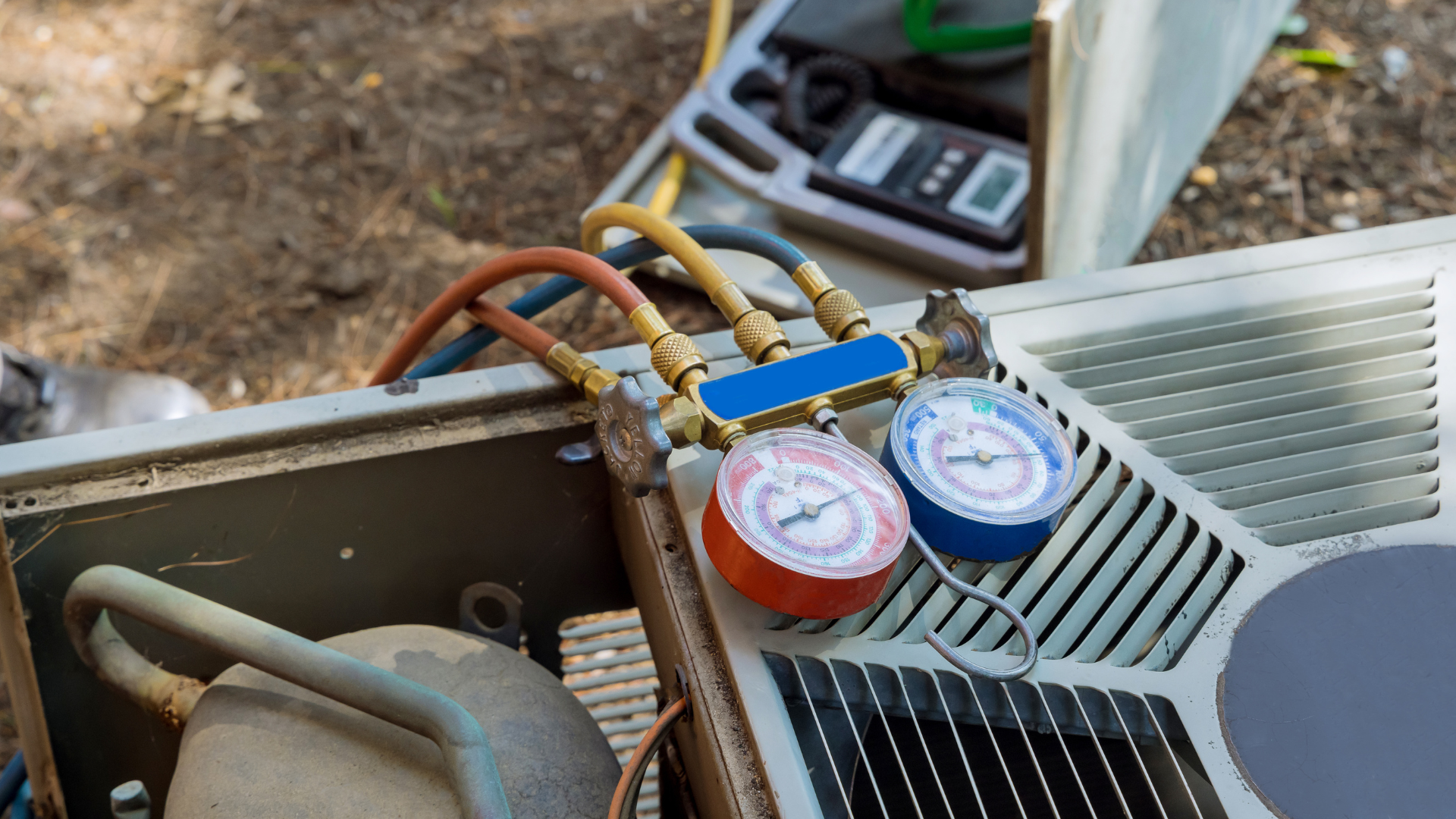
A close up of a refrigerator with two gauges attached to it.
By Brandon Keen May 19, 2025
Discover the top 10 most common HVAC repairs with data-backed tips to prevent them and save on costs. Learn how maintenance can extend your system’s life.
A view of a mountain covered in fog and clouds from a cliff.
By Brandon Keen April 22, 2025
Stay comfortable year-round in East TN with expert HVAC tips, maintenance, and installs from Phil's Heating and Air. Call now for a free system assessment!
A close up of rain drops on a window with a blurry background.
By Brandon Keen March 4, 2025
Do you know how humidity can cause HVAC problems? Phil's Heating and Air offers advice for the optimal humidity in your Tri-Cities, TN home.
A radiator is sitting next to a window in a bathroom.
By Phil Allen November 6, 2024
When it comes to the heating of your home, heating is not only a necessity, but one of the most important elements in your home. No matter what time of year it is, when your heating goes out or is not functioning like it usually does, it can be a big pain to try and figure out what is going on and how to fix it. Luckily for you, that's where Phil’s Heating and Air comes in! Today, we’re going to be discussing some of the most common problems that people run into, specifically when it comes to heating. Learn more, and connect with us today to get started
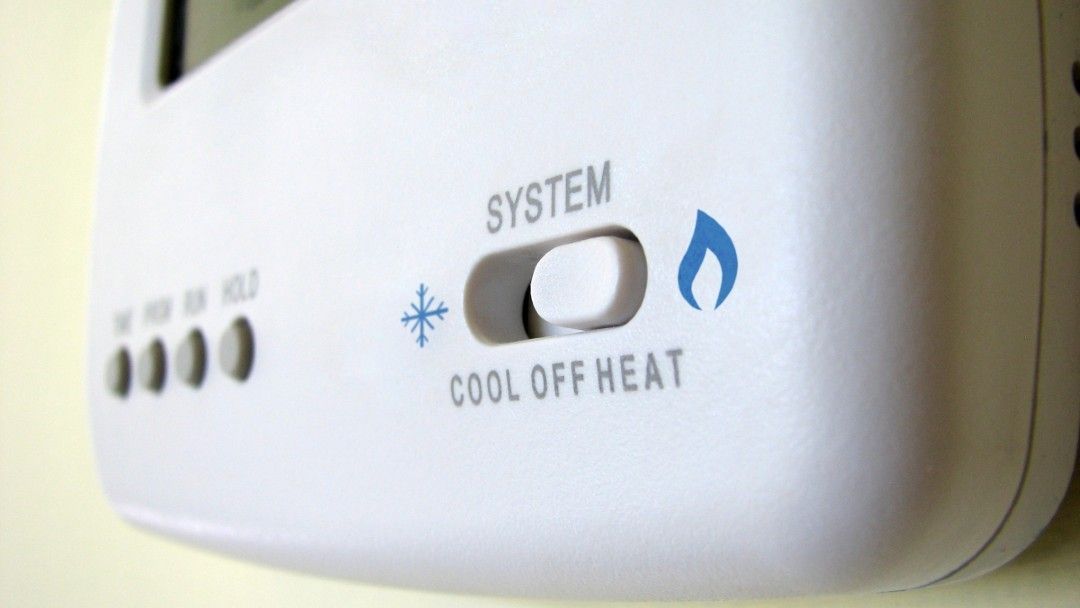
A close up of a system cool off heat thermostat
By Phil Allen November 6, 2024
Mini split hvac units - pros, cons, and considerations
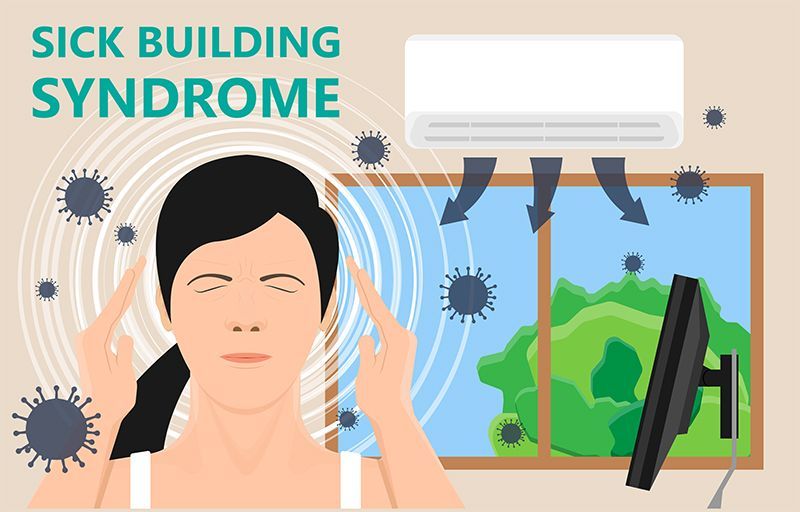
An illustration of a woman with sick building syndrome.
By Phil Allen November 6, 2024
The air inside your home can be two to five times more polluted than the air outside. The air pollution inside your home can contain humidity, noise, smoke, chemical fumes, mold, bacteria, lent, dust, carbon monoxide, radon gas, pet dander, plant spores, dry air, cooking odors, and pollen. Ask us about our Ventilation Maintenance Services to solve the poor air quality in your home today! (423) 741-3394
A man in a plaid shirt is holding an HVAC Air Filter
By Phil Allen November 6, 2024
Changing your Air Filter is critical! It allows your HVAC system to run more efficiently, lowering your energy costs, and increasing its effectiveness. Moreover, your system can require repairs if the air filter(s) are not changed on a regular basis. Change your air filter every 30-days, and consult with Phil's Heating and Air for Preventative HVAC Maintenance Services. We'll keep your heating and air system in tip-top shape! Call us today to learn more - (423) 741-5459
A woman is sitting on a couch holding a fan in her hand.
By Phil Allen November 6, 2024
HVAC units are a vital part of any commercial or residential property. They help keep the building cool in the summer and warm in the winter, but they can't last forever. Phil's Heating and Air has provided HVAC services to customers for more than 30 years now. In this blog post, we will discuss six signs that indicate it may be time to replace your HVAC unit! Learn more and reach out to us for superior HVAC Services through Phil's Heating and Air today.
A woman is laying on a couch holding a remote control.
By Phil Allen July 12, 2023
If you have a heat pump, you might be aware that you should avoid using the emergency heat setting on your thermostat. You might have been warned not to use this setting because it uses electric heat strips to heat your home, which are not nearly as energy efficient as your heat pump’s normal function. While you shouldn’t have to choose the emergency heat setting (except in actual emergencies), it is OK for your heat pump to occasionally use heat strips during normal operation. Because heat pumps work by pulling heat from the air outside your home, the colder that air is, the more difficult it is for your heat pump to operate this way…
An HVAC Technician from Phil's Heating and Air is cleaning a Mini Split HVAC System
By Phil Allen June 9, 2023
As temperatures rise in Tennessee, ensuring your home's AC system is running efficiently becomes essential. At Phil's Heating and Air, we understand the importance of regular maintenance to keep you cool all summer long. Learn our top AC maintenance tips to help you beat the heat and maintain optimal indoor comfort, and contact us today for speedy HVAC Services in the Tri-Cities, TN and the surrounding region.
A man wearing orange gloves is working on a machine
By Phil Allen May 23, 2023
During the hot months in the tri-cities area of Tennessee, a well-functioning air conditioner is your refuge from the heat. However, sometimes your AC may show signs of wear and tear that can lead to unanticipated breakdowns and discomfort. This blog post aims to highlight some common air conditioner problems and how Phil's Heating and Air, known as the King of next-day/sam-day service, can help. 1. Poor Airflow: If your AC isn't providing a consistent airflow or isn't cold at all, it could be an indication of a blockage restricting the airflow or a malfunctioning motor. Regular maintenance is critical to keep your AC unit efficient and extend the life of your unit.
A man is adjusting a thermostat on a wall.
By Phil Allen May 7, 2023
Learn 4 reasons you should be investing in regular preventative maintenance services for your HVAC System. Avoid costly repairs and replacements with Phil's Heating and Air's Preventative Maintenance Services.
Phil's Heating and Air Van wrapped in PHA graphics inside of the HVAC shop
By Phil Allen April 3, 2023
A reliable heat pump plays a crucial role in maintaining a comfortable indoor environment, especially in the diverse climate of the tri-cities area of Tennessee. However, like every machine, it doesn't last forever and will reach a point where replacement becomes inevitable rather than repair. Knowing when it's time to consider changing your heat pump is vital. Phil's Heating and Air is here to guide you on this journey, with next-day/same-day service and flexible financing options on changeouts. Here are a few telltale signs that it might be time to replace your heat pump.
A man is working on an air conditioner outside of a house.
By Phil Allen February 23, 2023
There’s no doubt that your HVAC system plays a crucial role in maintaining comfort in your home, especially during the extreme seasons in the tri-cities area of Tennessee. However, keeping your HVAC running flawlessly involves more than just reactive repairs. It needs proactive attention. That’s why a preventive maintenance plan for your HVAC system is a wise choice, and Phil’s Heating and Air offers you the best option in this regard. The primary purpose of a preventive maintenance plan is to mitigate the risk of unexpected breakdowns, ensuring your HVAC system is always at its peak performance. Here’s why it’s a worthwhile endeavor!
A woman is blowing snow from her hands in the snow.
By Phil Allen December 12, 2022
As the temperature dips and the season transitions from fall to winter in the tri-cities area of Tennessee, it's time to switch your HVAC system from cooling to heating. But before flipping the switch, there are a few things you should be mindful of to ensure a warm and cozy winter. Phil's Heating and Air, the unrivaled King of next-day and same-day service, is here to guide you about what to check when turning your heater on for the first time this season. Click this page to learn more or call us at (423) 741-5459 to schedule speedy service.
A man wearing a yellow hard hat is giving a thumbs up
By Phil Allen October 12, 2022
Your HVAC system is the beating heart of your home. It keeps you cool in the sweltering summer months and maintains a snug warmth during winter's chill. Yet, like any machine, it requires regular upkeep to perform efficiently and reliably. Here's why you need your HVAC unit checked multiple times a year and how Phil's Heating and Air can help. Twice-yearly maintenance of your HVAC unit can help uncover potential problems before they become costly emergencies. During these inspections, professionals evaluate components, ensure parts are functioning correctly, and identify any signs of wear and tear. Regular check-ups can increase the lifespan of your unit so click this page to learn more about HVAC Maintenance Services through Phil's Heating and Air.
ALL ARTICLES