Does Your HVAC Agreement Protect Uptime, Budgets, and Long-Term Equipment Value?
Does Your HVAC Agreement Protect Uptime, Budgets, and Long-Term Equipment Value?
Quick Answer
A commercial HVAC maintenance agreement should identify every covered system, establish a preventive maintenance schedule, define inspection and service tasks, explain emergency response terms, document findings, and clarify pricing, repairs, exclusions, and approval procedures. The best agreements also help property owners and facility teams track equipment condition, reduce unexpected downtime, and plan future HVAC repairs or replacements.
Commercial HVAC maintenance is about more than changing filters. For a business, school, industrial facility, shopping center, office building, or rental property, an HVAC failure can disrupt operations, affect employees and tenants, damage temperature-sensitive inventory, and create an emergency expense.
A well-written agreement gives your organization a clear maintenance plan and gives the people responsible for the property better control over comfort, reliability, risk, and long-term costs.
Who Should Review a Commercial HVAC Maintenance Agreement?
Commercial HVAC decisions often involve multiple stakeholders. The agreement should provide information that each decision-maker can understand and use.
- Facility Managers and Facility Directors: Look for equipment-specific schedules, detailed service records, response-time commitments, deficiency reports, and long-term replacement recommendations.
- Operations Managers: Prioritize system uptime, emergency procedures, occupied-hour scheduling, production requirements, and communication when HVAC work could affect normal operations.
- Commercial Property Managers: Confirm tenant responsibilities, covered common areas, service procedures, repair authorization limits, and documentation that can be shared with property owners.
- Property Owners and Landlords: Evaluate total maintenance costs, equipment condition, expected remaining service life, warranty protection, and upcoming capital expenses.
- Plant and Maintenance Managers: Focus on critical equipment, industrial operating conditions, redundancy, specialized controls, safety procedures, and the consequences of unplanned shutdowns.
- Business Owners and General Managers: Look for predictable pricing, priority response, reduced disruption, clear approval procedures, and a reliable point of contact.
- Asset and Portfolio Managers: Require consistent reporting across properties, comparable equipment data, budget forecasting, and documentation that supports larger repair or replacement decisions.
These buyers may represent offices, shopping centers, strip malls, restaurants, warehouses, manufacturing facilities, healthcare properties, churches, schools, multifamily developments, and mixed-use buildings. The agreement should reflect how the property is actually occupied and operated.
What Equipment Should the Agreement Cover?
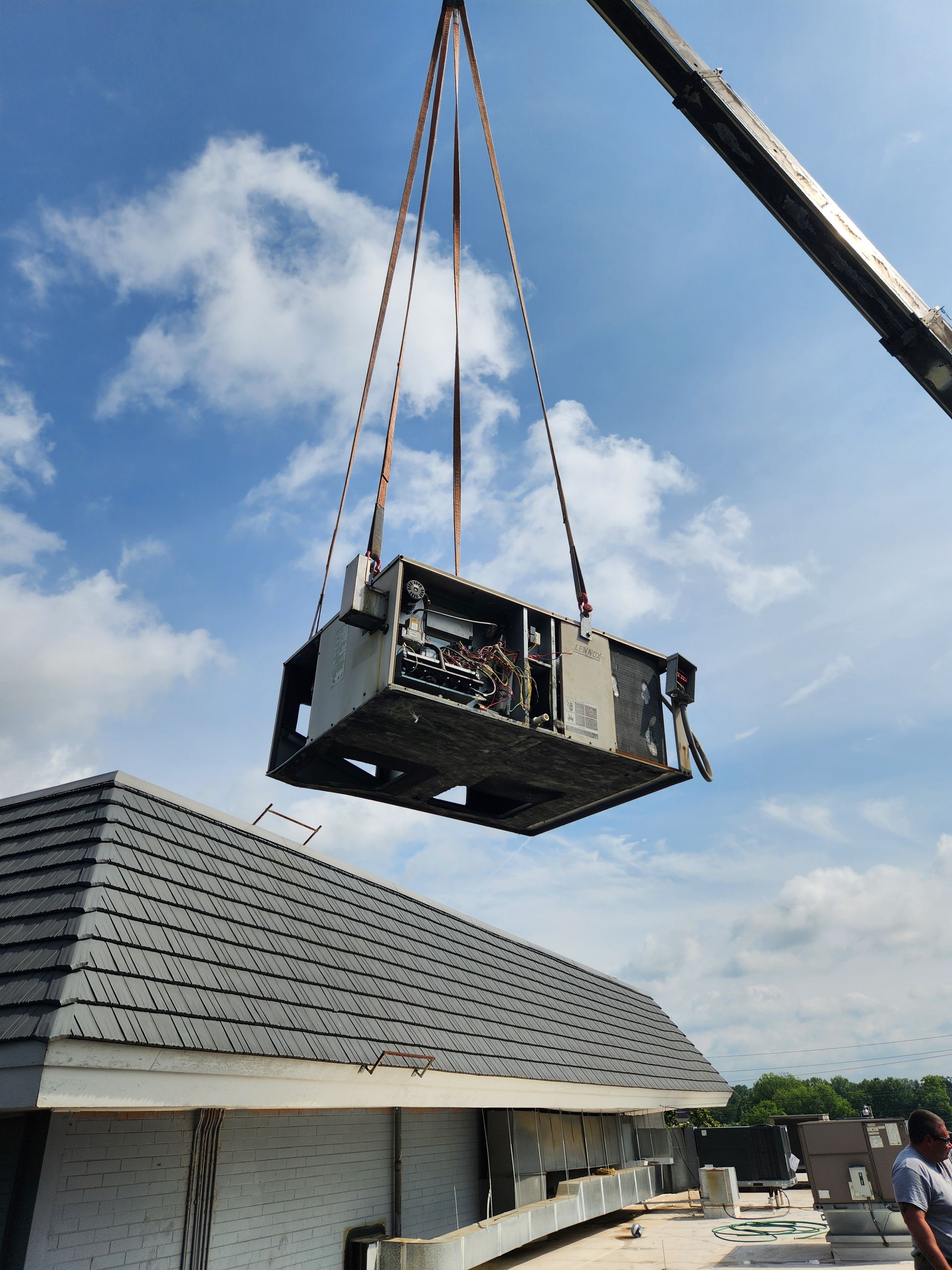
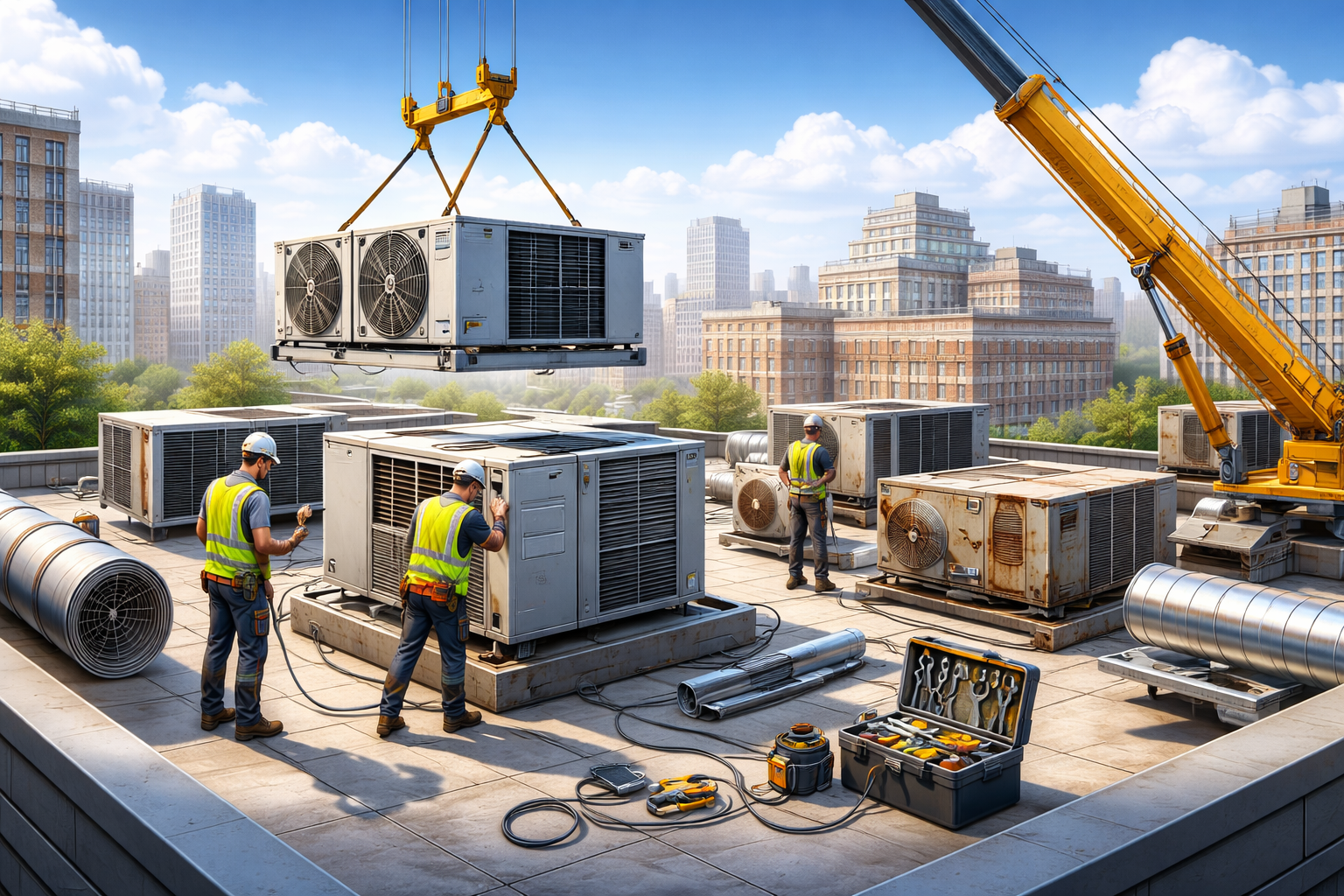
The agreement should begin with an accurate inventory of the HVAC equipment being maintained. Each asset should be identified by location, equipment type, manufacturer, model number, serial number, capacity, condition, and any available warranty information.
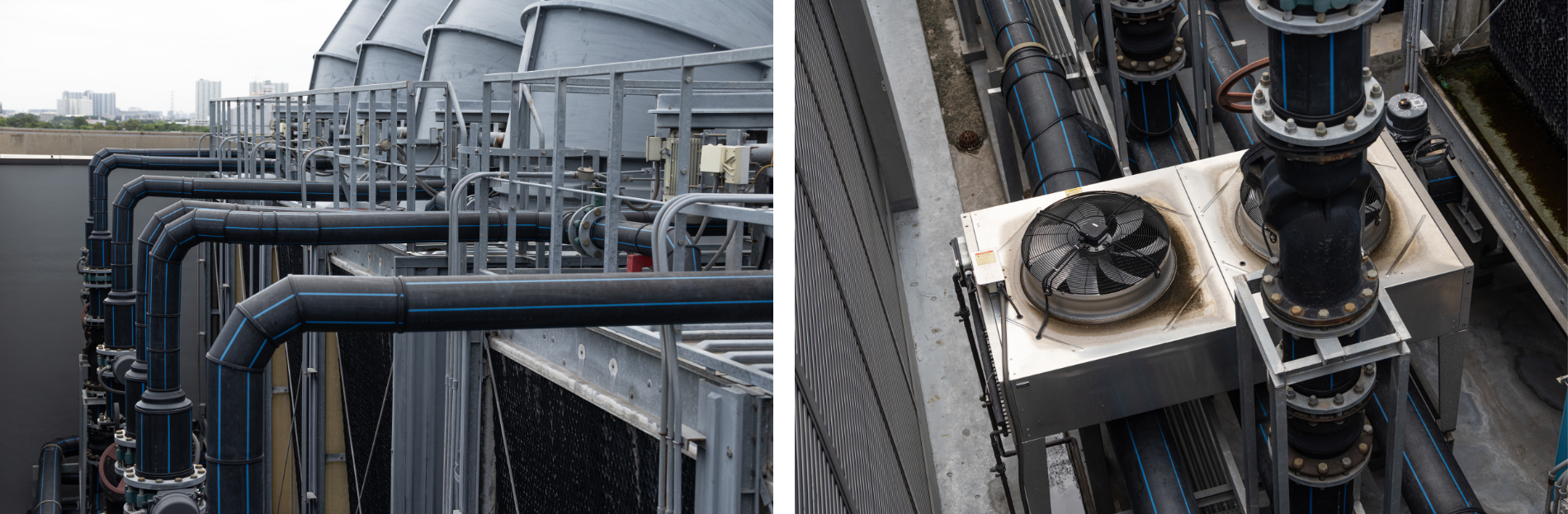
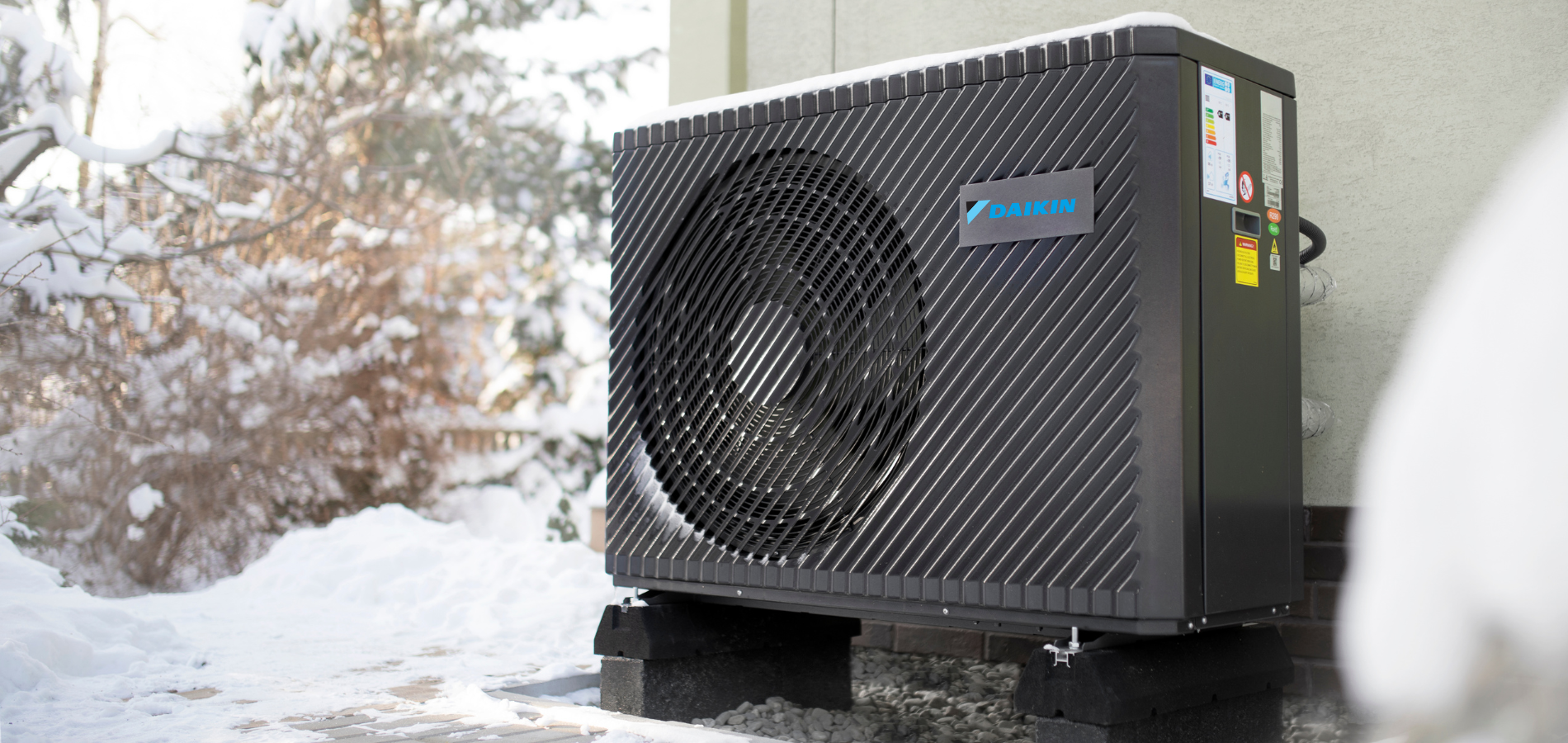
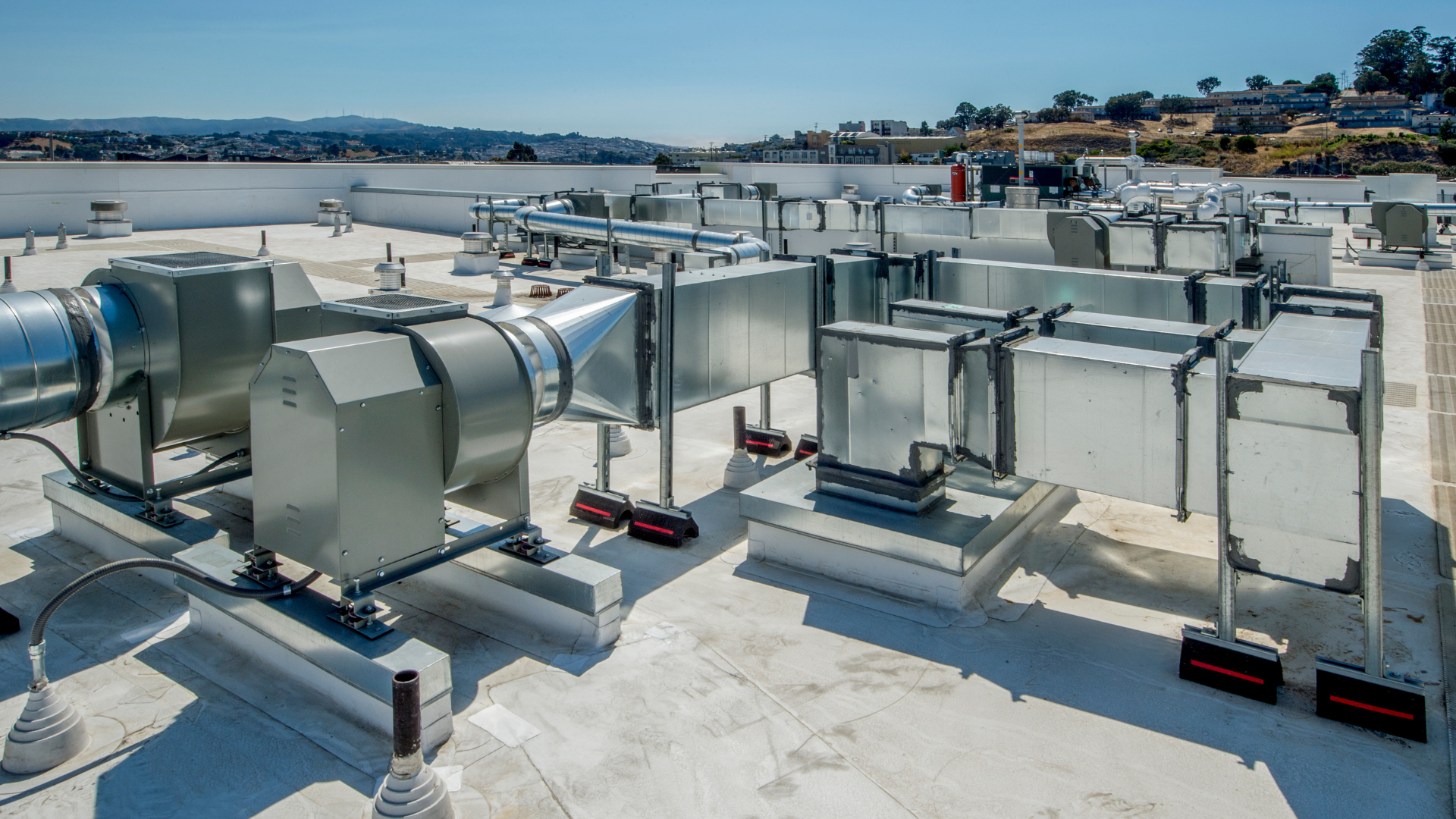
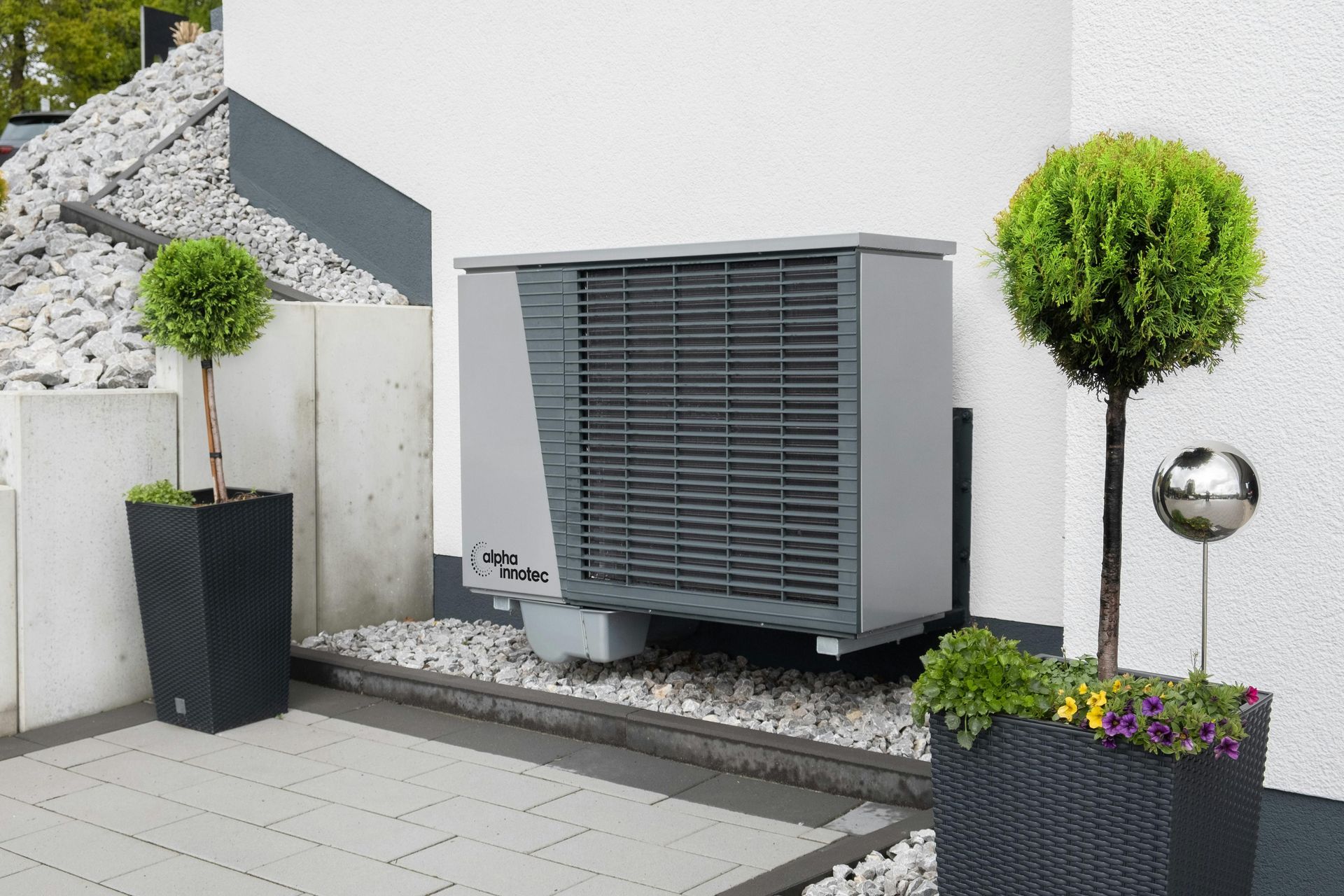
Depending on the property, covered equipment may include:
An equipment inventory prevents confusion over which units are included and creates a baseline for tracking repairs, recurring problems, maintenance costs, and expected replacement dates.
What Preventive Maintenance Tasks Should Be Included?
The agreement should define what will be inspected, cleaned, tested, adjusted, or replaced during each visit. The schedule should reflect equipment type, manufacturer recommendations, operating conditions, occupancy, system age, and how critical each unit is to the facility.
Typical commercial HVAC maintenance may include:
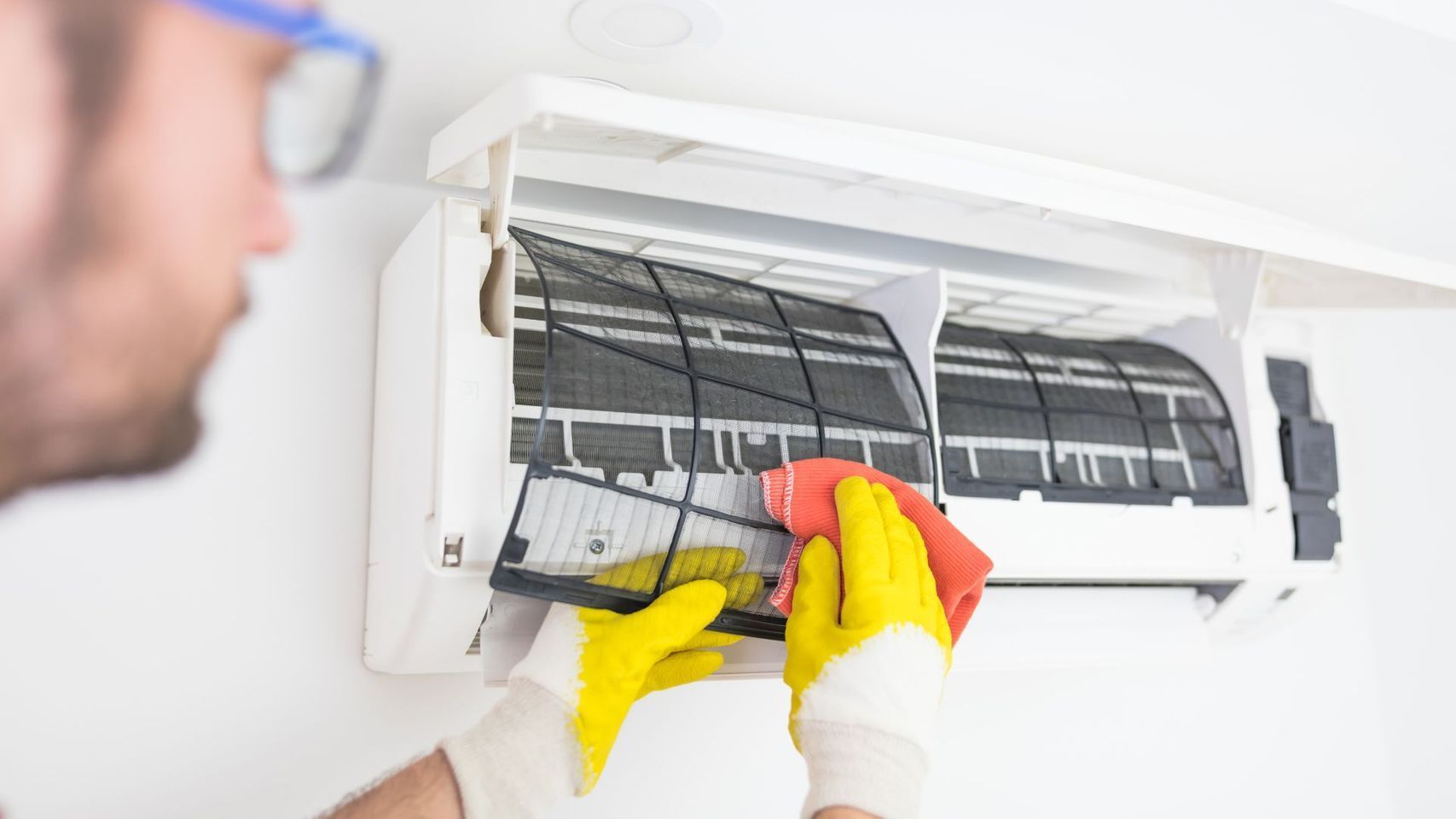
- Inspecting and replacing filters
- Examining belts, bearings, motors, and electrical connections
- Cleaning coils and condensate components
- Checking refrigerant-related performance
- Inspecting drains and drain pans
- Testing thermostats, sensors, and controls
- Measuring temperature differences and airflow
- Inspecting ductwork and visible air leaks
- Checking safety controls and system operation
- Documenting unusual sounds, vibration, wear, or corrosion
- Testing seasonal heating and cooling functions
ASHRAE Standard 180 establishes minimum inspection and maintenance practices intended to preserve thermal comfort, energy efficiency, and indoor air quality in commercial buildings. A strong agreement should be customized to the property while following recognized maintenance practices and equipment requirements.
Quick Answer
A commercial HVAC maintenance agreement should identify every covered system, establish a preventive maintenance schedule, define inspection and service tasks, explain emergency response terms, document findings, and clarify pricing, repairs, exclusions, and approval procedures. The best agreements also help property owners and facility teams track equipment condition, reduce unexpected downtime, and plan future HVAC repairs or replacements.
Commercial HVAC maintenance is about more than changing filters. For a business, school, industrial facility, shopping center, office building, or rental property, an HVAC failure can disrupt operations, affect employees and tenants, damage temperature-sensitive inventory, and create an emergency expense.
A well-written agreement gives your organization a clear maintenance plan and gives the people responsible for the property better control over comfort, reliability, risk, and long-term costs.
Who Should Review a Commercial HVAC Maintenance Agreement?
Commercial HVAC decisions often involve multiple stakeholders. The agreement should provide information that each decision-maker can understand and use.
- Facility Managers and Facility Directors: Look for equipment-specific schedules, detailed service records, response-time commitments, deficiency reports, and long-term replacement recommendations.
- Operations Managers: Prioritize system uptime, emergency procedures, occupied-hour scheduling, production requirements, and communication when HVAC work could affect normal operations.
- Commercial Property Managers: Confirm tenant responsibilities, covered common areas, service procedures, repair authorization limits, and documentation that can be shared with property owners.
- Property Owners and Landlords: Evaluate total maintenance costs, equipment condition, expected remaining service life, warranty protection, and upcoming capital expenses.
- Plant and Maintenance Managers: Focus on critical equipment, industrial operating conditions, redundancy, specialized controls, safety procedures, and the consequences of unplanned shutdowns.
- Business Owners and General Managers: Look for predictable pricing, priority response, reduced disruption, clear approval procedures, and a reliable point of contact.
- Asset and Portfolio Managers: Require consistent reporting across properties, comparable equipment data, budget forecasting, and documentation that supports larger repair or replacement decisions.
These buyers may represent offices, shopping centers, strip malls, restaurants, warehouses, manufacturing facilities, healthcare properties, churches, schools, multifamily developments, and mixed-use buildings. The agreement should reflect how the property is actually occupied and operated.
What Equipment Should the Agreement Cover?
The agreement should begin with an accurate inventory of the HVAC equipment being maintained. Each asset should be identified by location, equipment type, manufacturer, model number, serial number, capacity, condition, and any available warranty information.
Depending on the property, covered equipment may include:
An equipment inventory prevents confusion over which units are included and creates a baseline for tracking repairs, recurring problems, maintenance costs, and expected replacement dates.
What Preventive Maintenance Tasks Should Be Included?
The agreement should define what will be inspected, cleaned, tested, adjusted, or replaced during each visit. The schedule should reflect equipment type, manufacturer recommendations, operating conditions, occupancy, system age, and how critical each unit is to the facility.
Typical commercial HVAC maintenance may include:
- Inspecting and replacing filters
- Examining belts, bearings, motors, and electrical connections
- Cleaning coils and condensate components
- Checking refrigerant-related performance
- Inspecting drains and drain pans
- Testing thermostats, sensors, and controls
- Measuring temperature differences and airflow
- Inspecting ductwork and visible air leaks
- Checking safety controls and system operation
- Documenting unusual sounds, vibration, wear, or corrosion
- Testing seasonal heating and cooling functions
ASHRAE Standard 180 establishes minimum inspection and maintenance practices intended to preserve thermal comfort, energy efficiency, and indoor air quality in commercial buildings. A strong agreement should be customized to the property while following recognized maintenance practices and equipment requirements.
How Often Should Commercial HVAC Maintenance Be Performed?
There is no single schedule that fits every commercial property. Some systems may need seasonal service, while critical or heavily used equipment may require more frequent inspection.
Maintenance frequency may be affected by:
- Daily operating hours
- Occupancy levels
- Manufacturing processes
- Dust, grease, chemicals, or airborne contaminants
- Equipment age and condition
- Filter-loading rates
- Tenant requirements
- Indoor air quality needs
- System redundancy
- Consequences of equipment failure
A warehouse with limited climate control has different requirements than a medical office, restaurant, shopping mall, school, or continuously operating manufacturing facility. The agreement should assign maintenance intervals to each equipment category instead of applying one generic schedule to the entire property.
What Should Emergency Response Terms Include?
Preventive maintenance lowers risk, but it cannot guarantee that equipment will never fail. The agreement should explain what happens when urgent service is needed.
Review the agreement for:
- Priority scheduling
- Available service hours
- Emergency contact procedures
- Target response times
- After-hours, weekend, and holiday rates
- Travel or dispatch charges
- Temporary repair procedures
- Communication with facility personnel
- Authorization requirements
- Availability of common replacement parts
For properties where HVAC failure could stop production, affect customers, damage inventory, or create unsafe indoor conditions, response expectations should be discussed before an emergency occurs.
What Documentation and Planning Should You Receive?
Every maintenance visit should produce a useful service record. A technician should document completed tasks, equipment condition, measurements, observed deficiencies, recommended repairs, and any work requiring future attention.
Over time, those records create an asset history that helps decision-makers distinguish an isolated problem from a recurring failure. They also support warranty documentation, budgeting, repair-versus-replacement decisions, and capital planning.
The
U.S. Department of Energy describes rigorous operations and maintenance as one of the most cost-effective ways to support commercial-building equipment longevity, reliability, safety, and energy efficiency. Good reporting turns that maintenance work into information your facility team can act on.
How Should Pricing, Repairs, and Exclusions Work?
The agreement should clearly separate included maintenance from billable repairs and excluded work.
Confirm how the contractor handles:
- Filters and other consumable materials
- Replacement parts
- Refrigerant
- Repair labor
- Overtime and after-hours service
- Equipment rentals or specialty access
- Travel charges
- Repair authorization limits
- Written estimates
- Price adjustments
- Renewal and cancellation
- Equipment added after the agreement begins
The contractor should also identify who can authorize repairs and what happens when a technician discovers an urgent problem. Clear approval procedures prevent delays while protecting the organization from unexpected work or charges.
How Do You Choose the Right Commercial HVAC Partner?
The value of a commercial HVAC maintenance agreement ultimately depends on the team performing the work. Look for a contractor with commercial and industrial experience, qualified technicians, organized documentation, clear communication, and the ability to handle repairs or replacements when maintenance identifies a larger problem.
Phil’s Heating & Air has served Northeast Tennessee for more than 30 years, providing commercial and industrial HVAC maintenance, repair, replacement, installation, ductwork, and system-planning services. Our team works with business owners, landlords, property managers, facility teams, contractors, developers, and operations professionals throughout the Tri-Cities and surrounding region.
We will assess your equipment, operating requirements, property priorities, and budget before recommending a maintenance approach. The goal is not to sell unnecessary service. It is to help you protect critical equipment, control costs, reduce disruption, and make informed decisions about your facility.
Contact Phil’s Heating & Air to schedule a commercial HVAC assessment and begin building a maintenance agreement around your property - not a generic checklist.
How Often Should Commercial HVAC Maintenance Be Performed?
There is no single schedule that fits every commercial property. Some systems may need seasonal service, while critical or heavily used equipment may require more frequent inspection.
Maintenance frequency may be affected by:
- Daily operating hours
- Occupancy levels
- Manufacturing processes
- Dust, grease, chemicals, or airborne contaminants
- Equipment age and condition
- Filter-loading rates
- Tenant requirements
- Indoor air quality needs
- System redundancy
- Consequences of equipment failure
A warehouse with limited climate control has different requirements than a medical office, restaurant, shopping mall, school, or continuously operating manufacturing facility. The agreement should assign maintenance intervals to each equipment category instead of applying one generic schedule to the entire property.
What Should Emergency Response Terms Include?
Preventive maintenance lowers risk, but it cannot guarantee that equipment will never fail. The agreement should explain what happens when urgent service is needed.
Review the agreement for:
- Priority scheduling
- Available service hours
- Emergency contact procedures
- Target response times
- After-hours, weekend, and holiday rates
- Travel or dispatch charges
- Temporary repair procedures
- Communication with facility personnel
- Authorization requirements
- Availability of common replacement parts
For properties where HVAC failure could stop production, affect customers, damage inventory, or create unsafe indoor conditions, response expectations should be discussed before an emergency occurs.
What Documentation and Planning Should You Receive?
Every maintenance visit should produce a useful service record. A technician should document completed tasks, equipment condition, measurements, observed deficiencies, recommended repairs, and any work requiring future attention.
Over time, those records create an asset history that helps decision-makers distinguish an isolated problem from a recurring failure. They also support warranty documentation, budgeting, repair-versus-replacement decisions, and capital planning.
The
U.S. Department of Energy describes rigorous operations and maintenance as one of the most cost-effective ways to support commercial-building equipment longevity, reliability, safety, and energy efficiency. Good reporting turns that maintenance work into information your facility team can act on.
How Should Pricing, Repairs, and Exclusions Work?
The agreement should clearly separate included maintenance from billable repairs and excluded work.
Confirm how the contractor handles:
- Filters and other consumable materials
- Replacement parts
- Refrigerant
- Repair labor
- Overtime and after-hours service
- Equipment rentals or specialty access
- Travel charges
- Repair authorization limits
- Written estimates
- Price adjustments
- Renewal and cancellation
- Equipment added after the agreement begins
The contractor should also identify who can authorize repairs and what happens when a technician discovers an urgent problem. Clear approval procedures prevent delays while protecting the organization from unexpected work or charges.
How Do You Choose the Right Commercial HVAC Partner?
The value of a commercial HVAC maintenance agreement ultimately depends on the team performing the work. Look for a contractor with commercial and industrial experience, qualified technicians, organized documentation, clear communication, and the ability to handle repairs or replacements when maintenance identifies a larger problem.
Phil’s Heating & Air has served Northeast Tennessee for more than 30 years, providing commercial and industrial HVAC maintenance, repair, replacement, installation, ductwork, and system-planning services. Our team works with business owners, landlords, property managers, facility teams, contractors, developers, and operations professionals throughout the Tri-Cities and surrounding region.
We will assess your equipment, operating requirements, property priorities, and budget before recommending a maintenance approach. The goal is not to sell unnecessary service. It is to help you protect critical equipment, control costs, reduce disruption, and make informed decisions about your facility.
Contact
Phil’s Heating & Air to schedule a commercial HVAC assessment and begin building a maintenance agreement around your property—not a generic checklist.
CONTACT US
FAQ
Frequently Asked Questions About Commercial HVAC Maintenance Agreements
How often should commercial HVAC equipment be serviced?
Most commercial HVAC systems should receive professional maintenance at least twice per year, typically before the cooling and heating seasons. Restaurants, manufacturing facilities, healthcare properties, and other demanding environments may require more frequent service.
Are commercial HVAC repairs included in a maintenance agreement?
Not always. Some agreements cover inspections and preventive maintenance only, while others include discounted repairs, priority scheduling, labor allowances, or selected replacement parts. Every included service and exclusion should be clearly documented.
What equipment should a commercial HVAC agreement cover?
The agreement should identify every covered rooftop unit, heat pump, boiler, chiller, mini-split, thermostat, ventilation system, and related control. A complete equipment inventory prevents confusion and supports better maintenance planning.
Does an HVAC maintenance agreement include emergency service?
Emergency coverage varies by provider. Look for clearly defined response times, after-hours availability, priority-service terms, emergency rates, and instructions for requesting urgent assistance.
Can preventive HVAC maintenance reduce operating costs?
Routine maintenance can improve efficiency, identify developing problems, reduce unexpected downtime, and help equipment last longer. It also gives facility teams better information for budgeting repairs and planning future replacements.
How do I choose the right commercial HVAC maintenance provider?
Choose a provider with experience servicing your type of property and equipment. The company should offer documented inspections, clear communication, responsive service, transparent pricing, and practical recommendations based on your operational priorities.